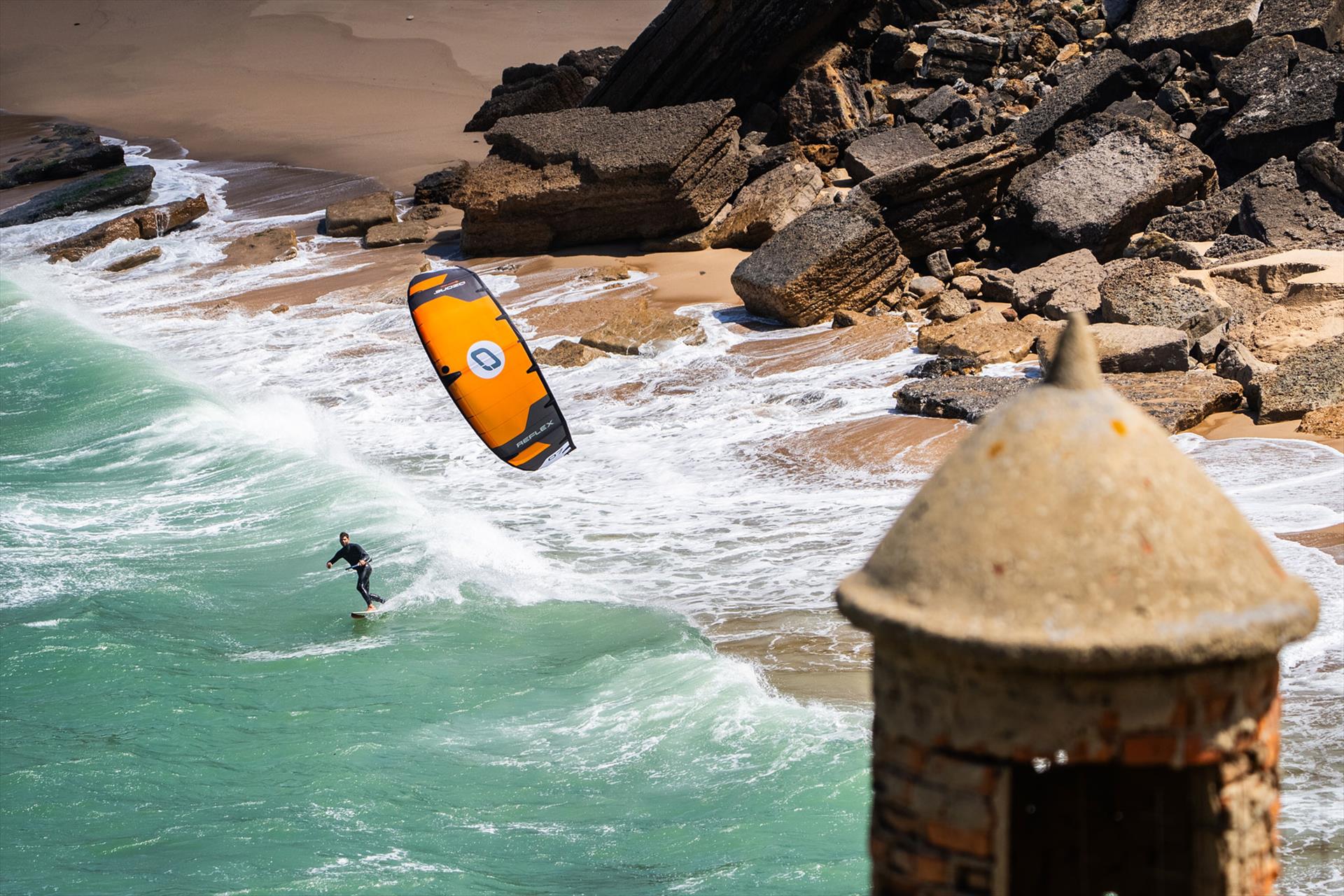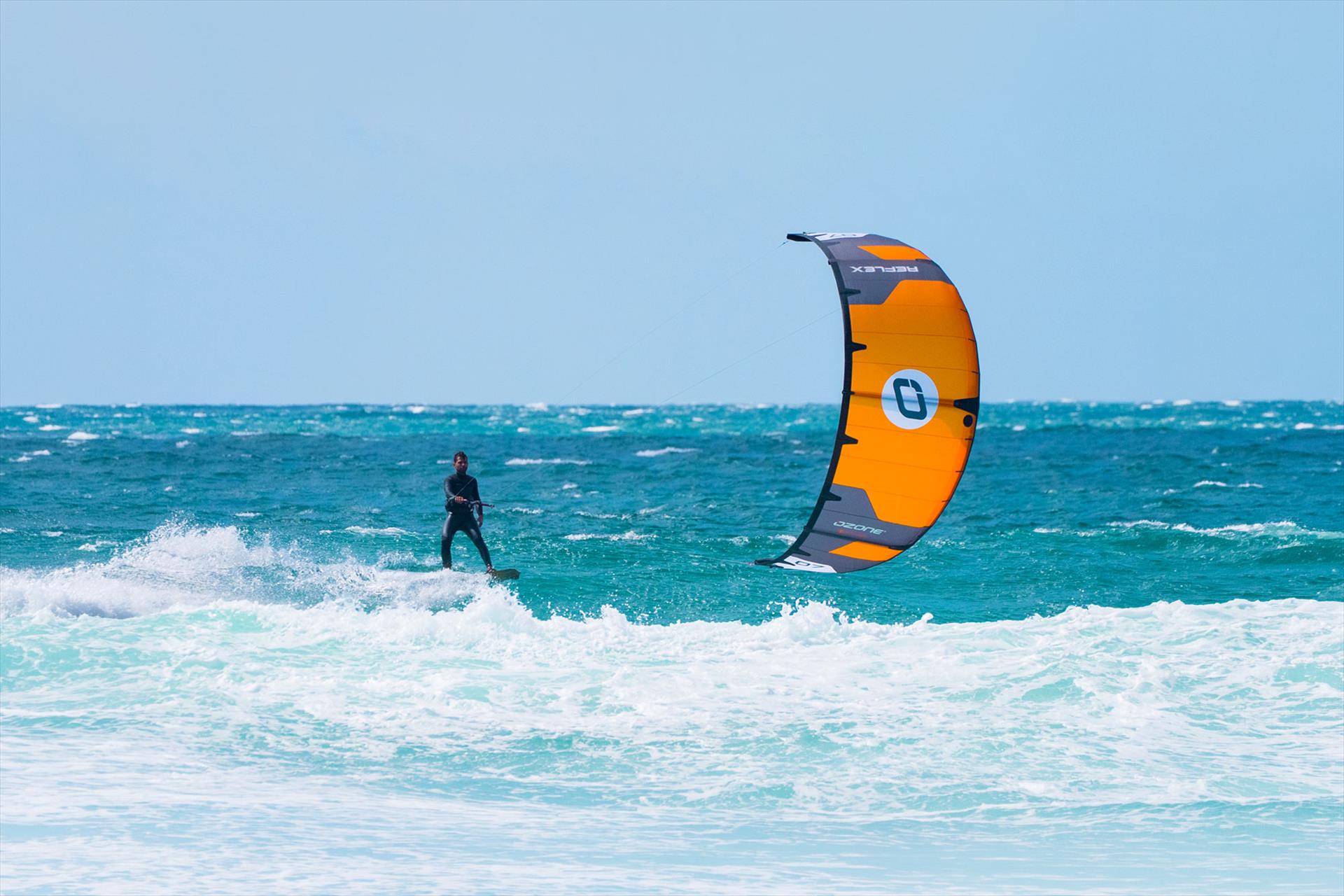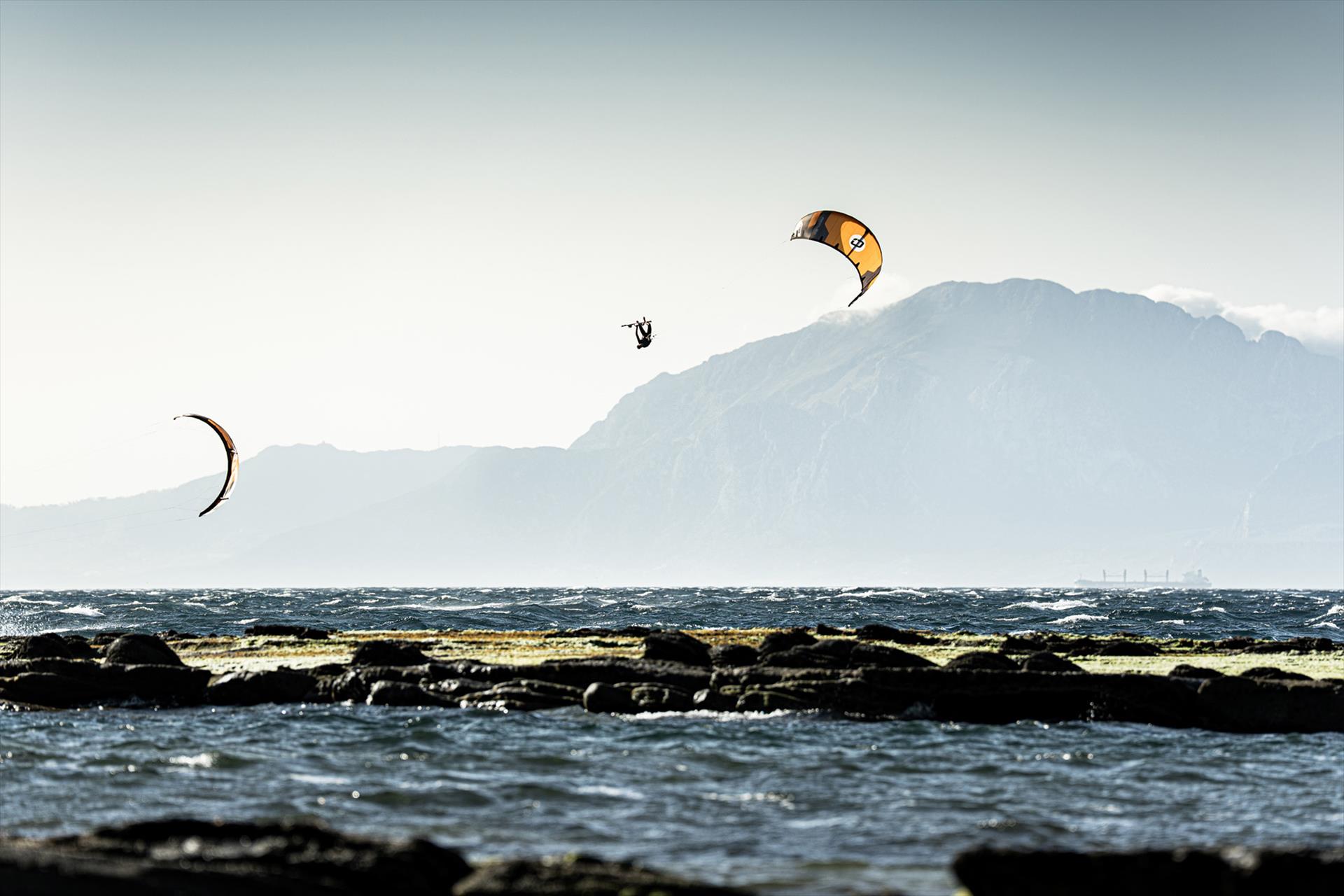

Dive into our overview below, and be sure to return for the complete review soon.
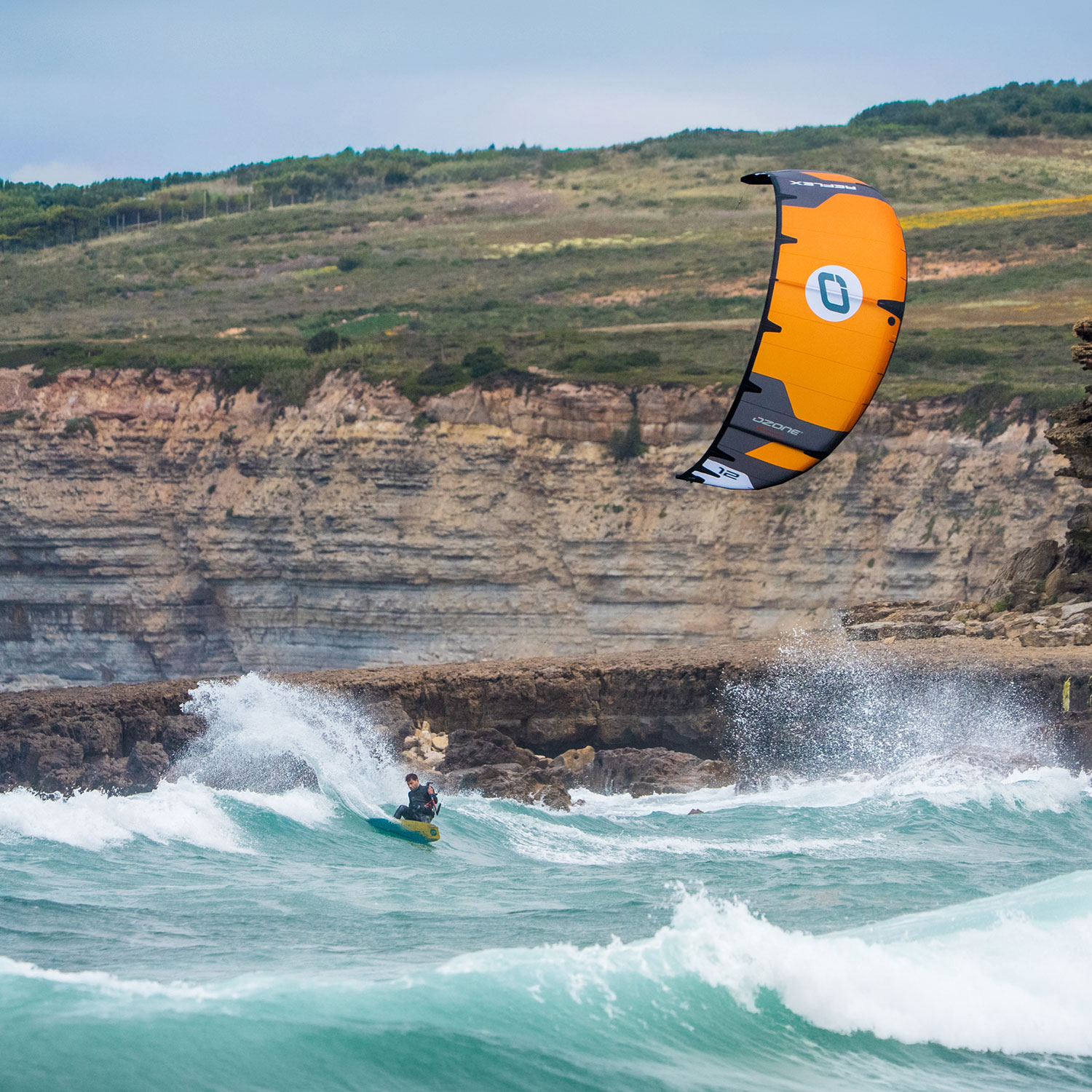
The Ozone Reflex 2026 is a three-strut performance freeride kite designed to make speed, jumping and kite-loop progression accessible across a broad range of abilities. It draws on the shaping approach of the Vortex while using a conventional Dacron airframe to create a softer, more forgiving character. Ozone positions it for riders from beginner through advanced level who want one kite family for everyday twin-tip sessions, with enough adaptability for wave riding and hydrofoiling.
Rider focus and handling
The Reflex is intended to deliver fast, instinctive flight without the constantly demanding feel associated with a very stiff competition-oriented structure. Its relatively high-aspect outline supports forward drive and jumping performance, but it uses less aspect ratio than the Vortex V2 to add low-end power and accessibility. Light-to-medium bar pressure is designed to provide useful feedback without making the kite tiring to control.
A tight turning radius is central to its progression brief. The Dacron frame can twist more under load than an Aluula structure, allowing the Reflex to turn tightly with moderated power through a loop. This gives developing riders a more manageable route into kite loops while retaining the speed and response expected by experienced freeriders. Ozone also describes smooth lift and rewarding float, placing the kite between an entry-level progression design and a specialised high-performance big-air model.
Airframe and canopy
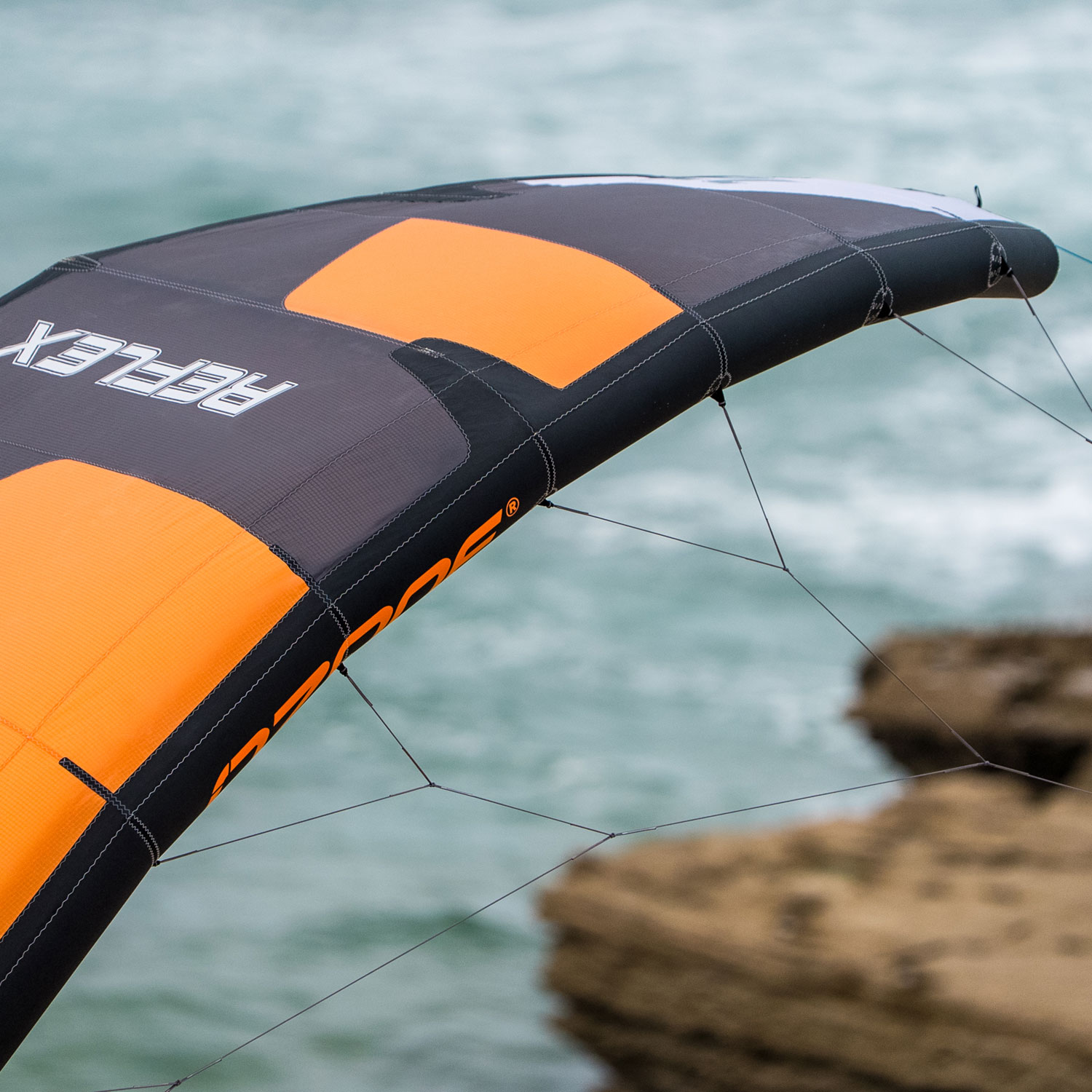
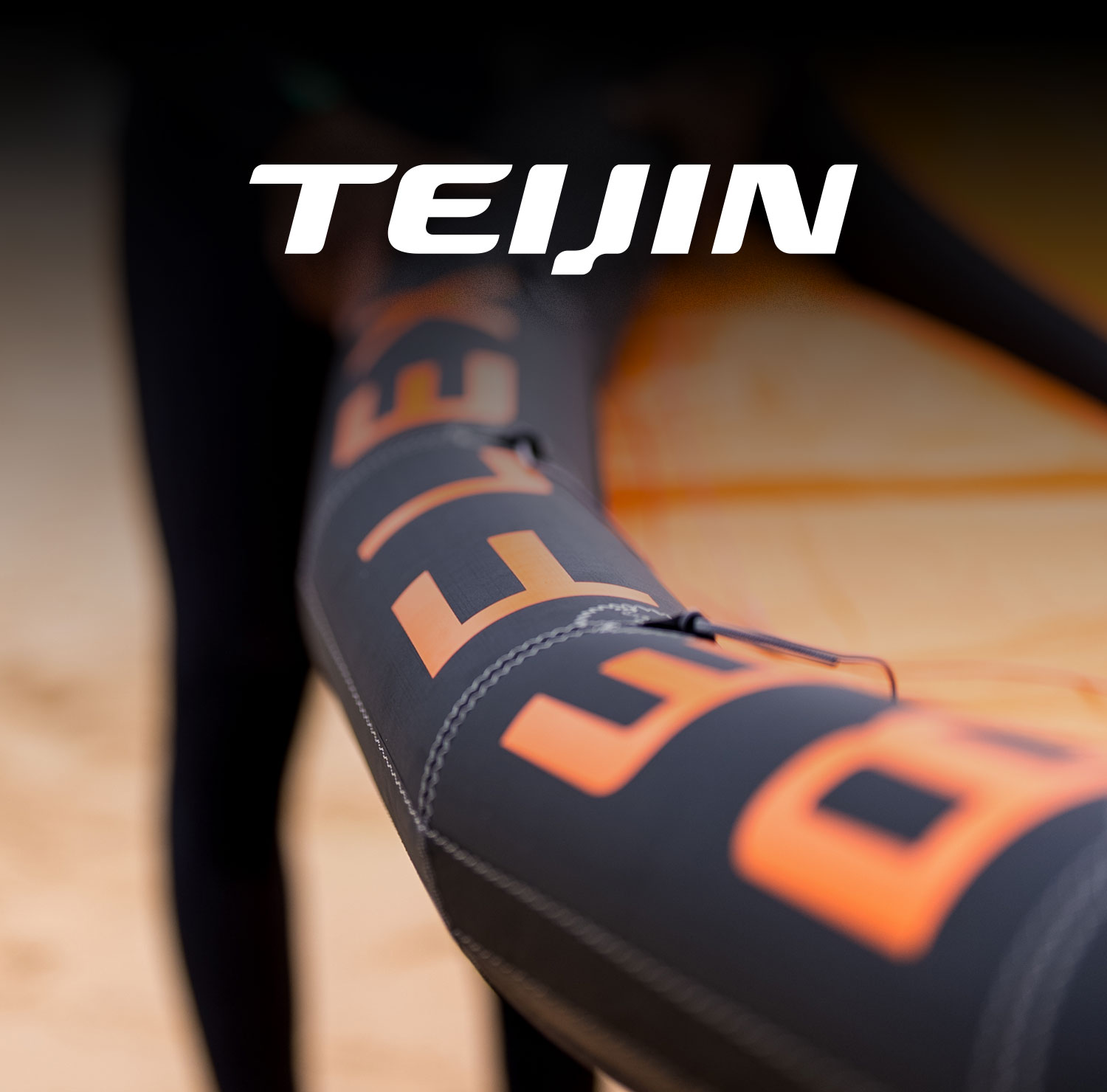
The three-strut airframe uses Teijin Triple Ripstop Dacron, selected for durability and resistance to abrasion during regular beach use. The canopy is Teijin TechnoForce Triple Ripstop. Transverse sail shaping is used to control the aerofoil surface, while load-distribution panels, reinforced leading-edge and strut areas, trailing-edge reinforcement and anti-flap battens support shape retention and durability.
The bridle is a highly tuned 16-point, four-line pulley-less system. Its layout is intended to provide direct steering and consistent support without pulley movement. Fast Flow single-point inflation connects the leading edge and struts for setup and pack-down, with clips allowing sections to be isolated. Direct-connect struts, overlap flat seams, internal reinforcements, low-profile scuff pads and anti-snag line deflectors complete the practical construction package.
Range and specifications
The Reflex is offered in nine sizes from 5m to 13m in one-metre increments. Published weights rise from 1.82kg for the 5m to 3.35kg for the 13m. Ozone specifies 23m flying lines throughout the range, with a 45cm bar for the 5m, 6m and 7m and a 50cm bar from 8m to 13m. The official range chart emphasises freeride and big-air use, while also showing meaningful suitability for hydrofoil and wave sessions.
On-water character
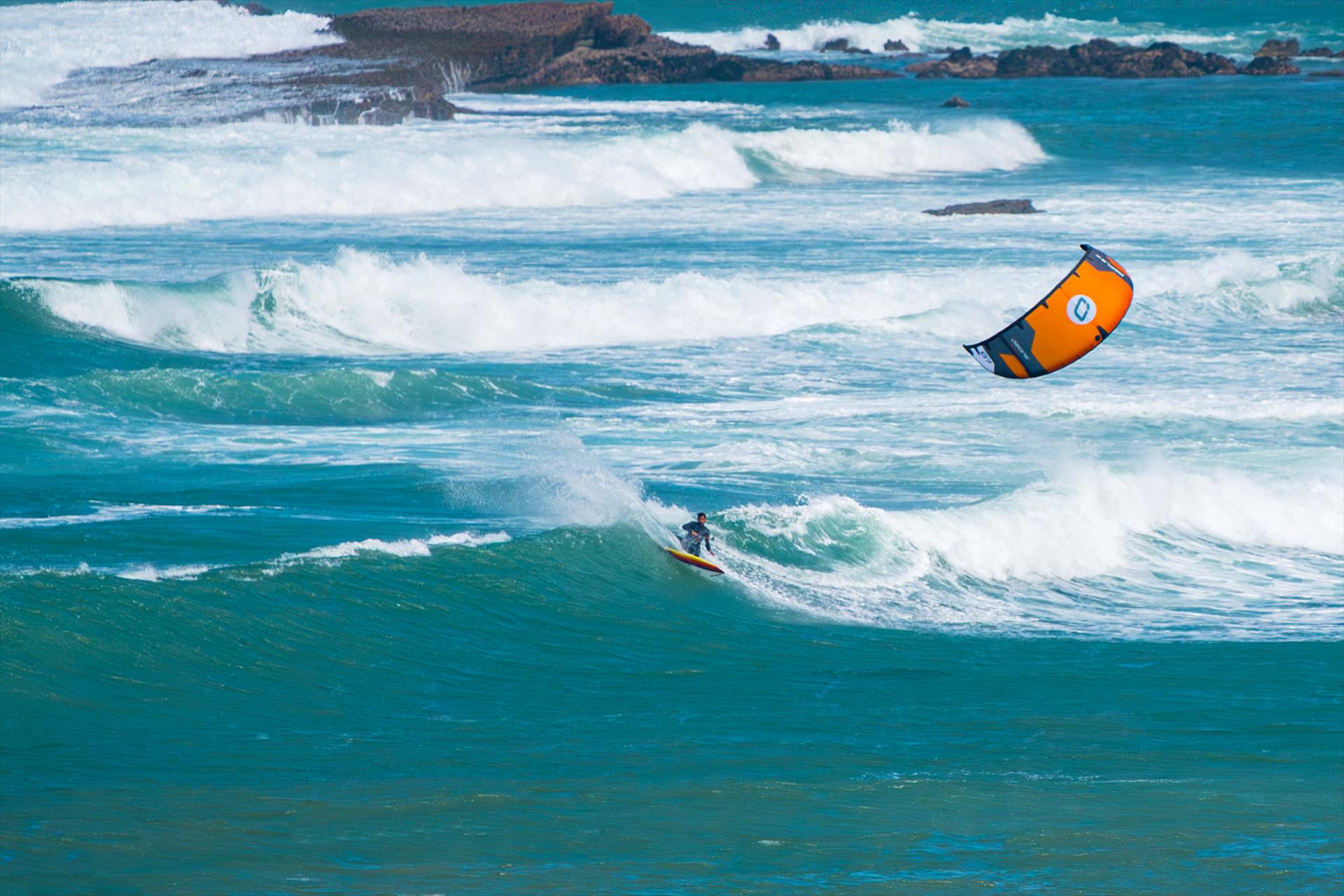
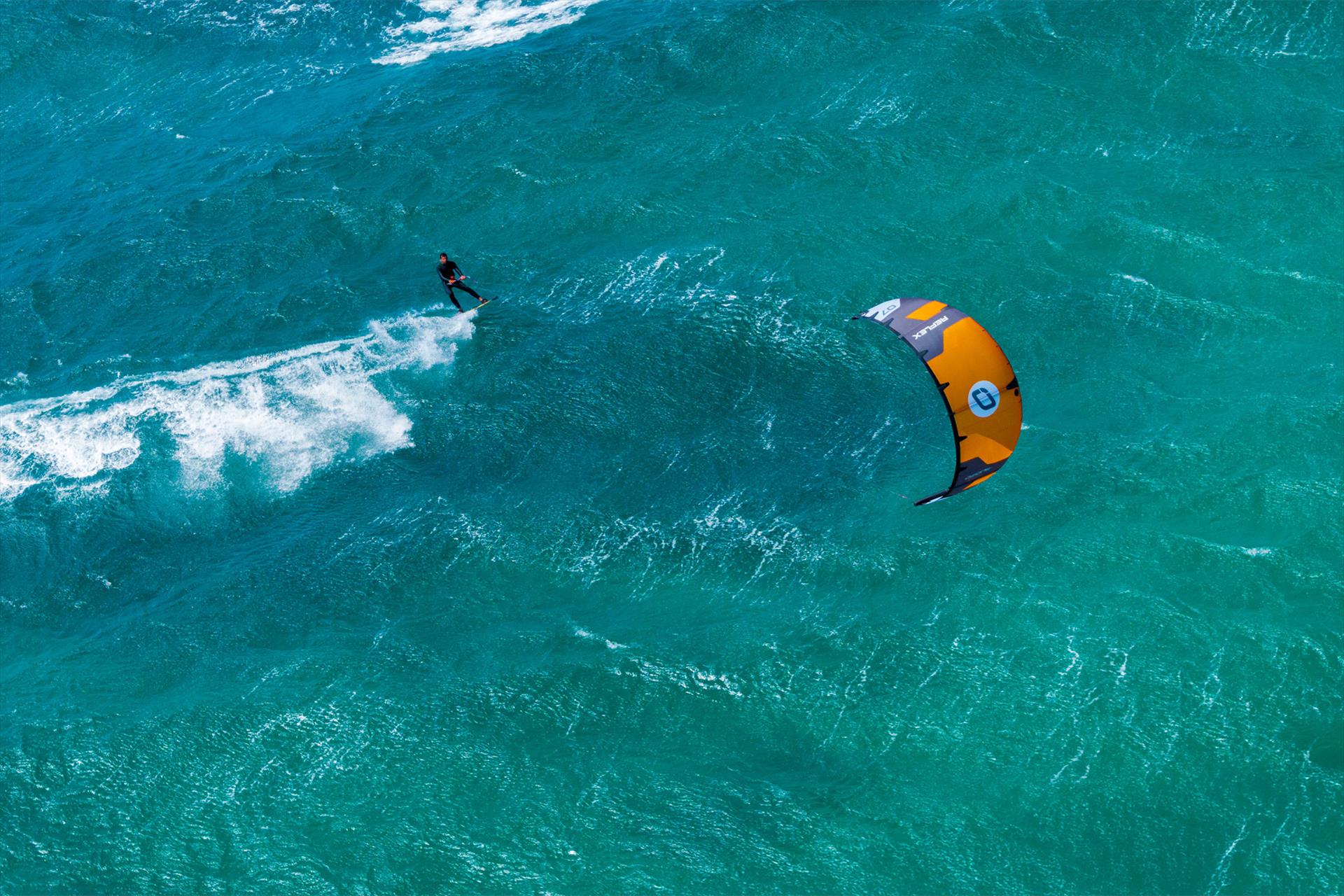
For twin-tip riders, the design priorities are accessible acceleration, intuitive steering, controllable loops and useful float. The softer frame and lower aspect ratio relative to the Vortex V2 should make power delivery less severe, while the bridle and canopy tension preserve a connected feel at speed. Wave and foil riders gain the tighter turning and lighter handling needed to reposition the kite, although the Reflex remains primarily a freeride and jumping design rather than a dedicated drift or race kite.
Summary
The Ozone Reflex 2026 combines a durable three-strut Dacron frame, Triple Ripstop canopy, 16-point pulley-less bridle and nine-size range in an accessible performance freeride package. It is best suited to riders who want to progress from confident general riding into faster freeride, jumping and kite loops without moving immediately to the sharper demands of an Aluula big-air kite.