

Kitesurfing Technique
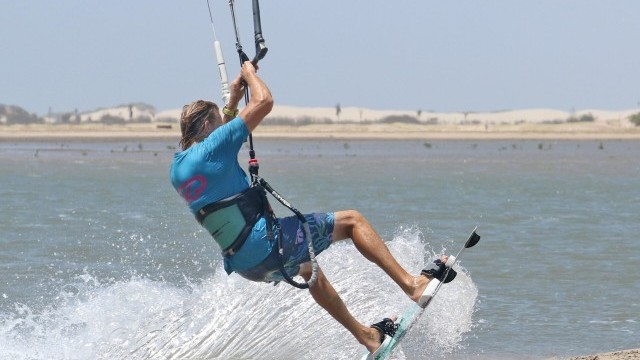
Beach Bounce Transition
This is a beautifully fun move in its own right, and the first step to a stylish press. You’ve likely seen a picture or a clip of someone doing this, either on soft sand or far less sensibly on a solid object! It’s a great one to add to your armoury and if you choose the right time and spot...
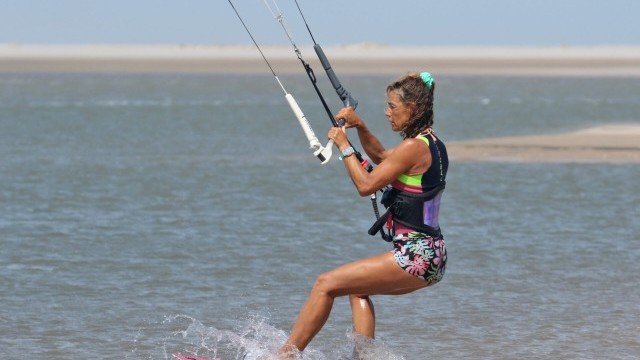
Two Foot Beach Start
Some time back we took you through a beach start method where you anchor the board by putting one foot in the front strap to stop it misbehaving and running off whilst you fly the kite. As effective a method as that may be, the launch can often be preceded by a game of hop scotch as you pogo around...
Pop Nose Grab Hooked-In
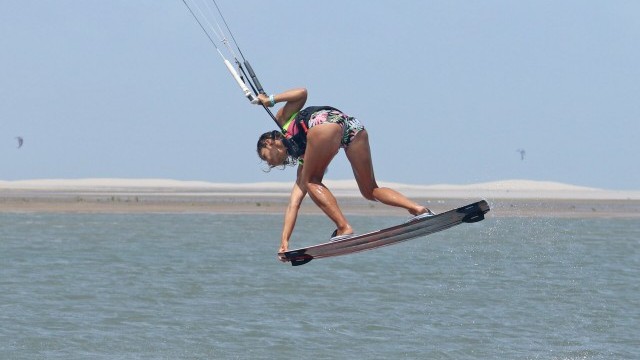
The nose grab is an absolute classic popped trick. It’s guaranteed to get you buzzing and makes for a proper money shot in your holiday snaps. We’re keeping things sensible and looking at the hooked in variant. This type of low altitude move is all about adding some style and as well as working deliciously in flat water, it’s just...
Categories
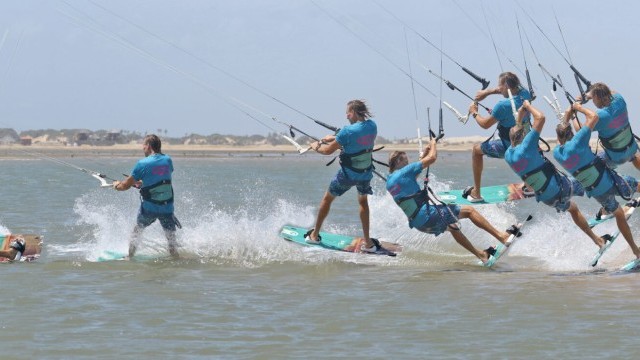
Featured
Shifty 3
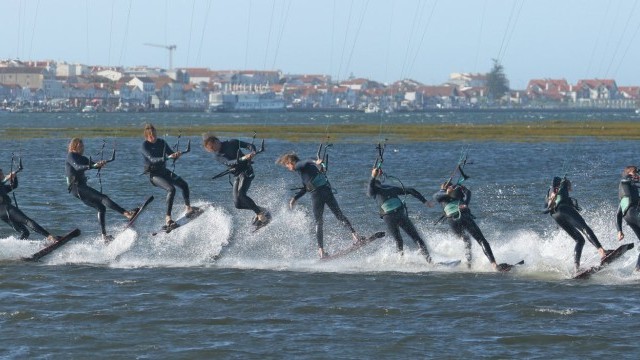
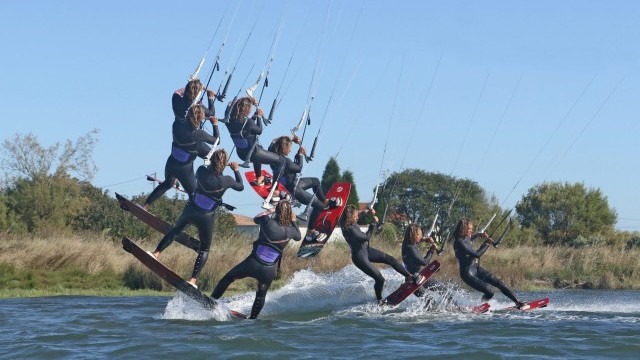
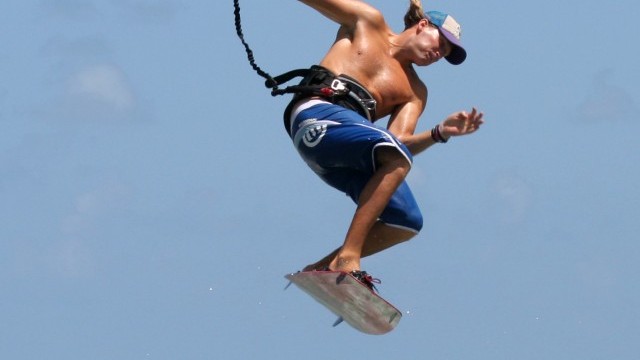
Some time ago we covered the shifty to wrapped. If you’ve got that down you’ll have no doubt thought about or even tried its big sister, the shifty 3. This is another dynamic move that feels sweet, looks chipper and even more stunningly happens to be the base and therefore holds the key to so many moves. Get this nailed...
Strapless Riding
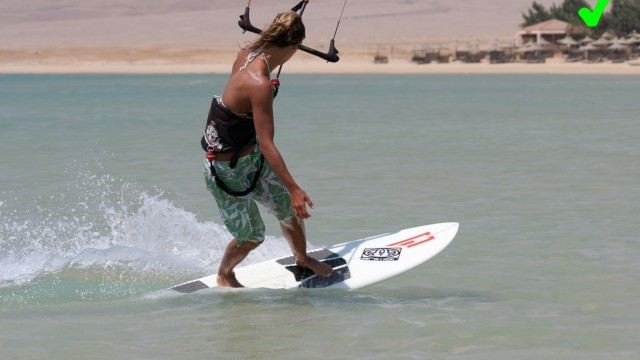
We’re going to keep this one relatively brief, as it is not rocket science, or rather it doesn’t have to be, apologies Mr Bernoulli. However pretty much everyone who stands on a surfboard for the first time, having been riding twin tips makes the same basic mistakes. To understand how a board works and how this effects the way you...
Sent Back Loop Nose Grab
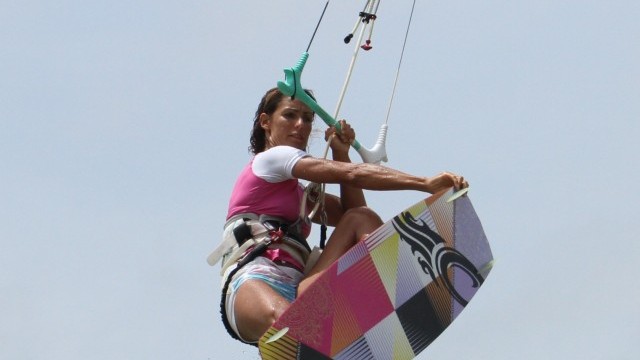
Taking one of the first jumping moves that many of you learnt during your early steps in aerial kiting and adding a glorious nose grab so that it doesn’t look in the slightest stale. In fact may get many of your peers back on the back roll bandwagon. Obviously all grabs are great but a nose grab really stands out...
Front Loop 540 Transition
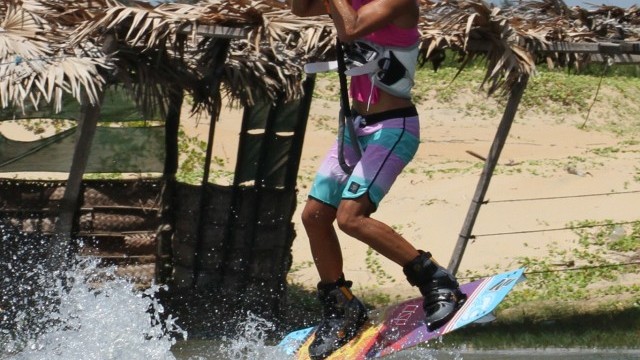
It’s been a long time since we took you through the front loop (or roll) air gybe, so now it must be time to encourage you to try this 540 version - a toe side landing. Coming around to toe side is effectively adding an extra 180˚, hence the original old school name of any such transition being a 540....
Foot Plant Transition
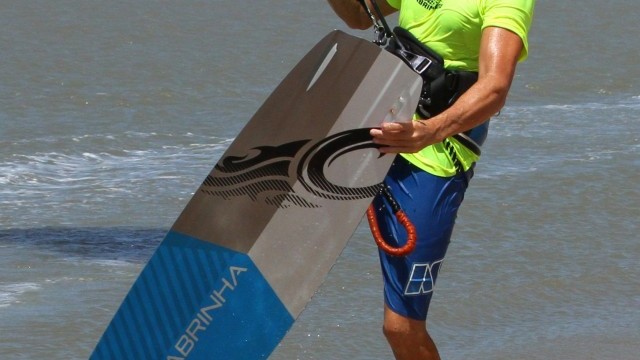
In keeping with recent themes, here we have yet another cheeky transition. This one is an utter joy, nothing too flash, a mere modest planting of the front foot before springing back up and off. If you’ve already nailed the foot wash this one should be a doddle. If however, you haven’t, then your first port of call should be...
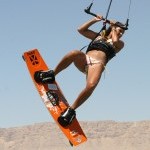
Double Back Loop
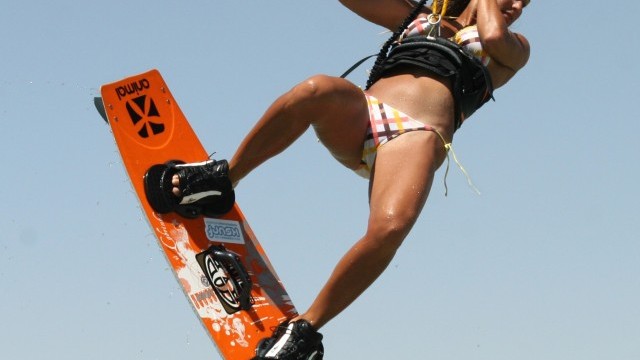
Lets start with the potential simplicity of the double back loop. You should only really being going for this if you can already do a jumped back loop, and if you can, it’s merely a matter of getting an extra rotation in under your kite before landing. Surely can’t be that tricky. What’s more you don’t need to be getting...