
Features View in collection
Brace For Impact – Why Protecting Your Upper Body Makes Sense on the Water
Kitesurfing has always been a sport where progression and crashing go hand in hand. Whether you’re learning your first jumps, trying to crack a new trick or pushing your limits with a kite loop, sooner or later you’re going to get it wrong. Most of the time we bounce, laugh about it and go again. Occasionally, however, the water reminds you just how much energy is involved in this sport.
Over the years our equipment has become incredibly sophisticated. Kites have vastly improved safety systems, boards are lighter and stronger, and harnesses are more comfortable and supportive than ever before. At the same time, performance has gone through the roof. Riders are jumping higher, looping harder and travelling faster, while modern equipment makes that performance accessible to far more of us. Yet there is one piece of equipment that I still think gets overlooked far too often: the impact vest.
I’ve been kitesurfing for well over twenty years, and I’ve broken my ribs three times doing it. As a result, these days I don’t need much convincing about the merits of putting a layer of protection between my rib cage and whatever I’m about to hit.
The interesting thing about rib injuries is that they don’t necessarily happen during the spectacular crashes. Of course, coming down from a huge jump or getting something wrong halfway through a kite loop can result in an enormous impact, but you can also hurt yourself during a relatively innocuous fall. Get caught unexpectedly by a gust, lose an edge at speed or mistime a landing, and suddenly you’re hitting the water far harder than you anticipated.
When we’re riding quickly, water isn’t particularly soft. Hit it flat on your chest, back or side at speed, and it can feel remarkably solid. Your ribs are particularly vulnerable because there isn’t always much you can do to protect them. If you’re still holding the bar when things go wrong, your arms are often extended in front of you or above your head, leaving your chest and the side of your rib cage exposed to the full force of the impact.
Unfortunately, I know exactly what happens next.
I’ve broken my ribs three times while kitesurfing, and they’re injuries I have absolutely no desire to repeat. Unlike a broken arm or leg, there isn’t really much anyone can do for you. You can’t put your ribs in a cast and stop them moving while they heal. Every breath moves them, coughing hurts, laughing hurts, and sneezing becomes an event you genuinely dread. Even rolling over in bed can be enough to wake you up.
Then there’s the part that really frustrates anyone who loves being on the water. Recovery takes time. You’re generally talking about weeks rather than days, and there’s very little you can do to accelerate the process. You simply have to wait for your body to repair itself while watching everyone else head out for a session.
Having been through that process more times than I’d like, I’ve become a huge advocate for impact vests. If I’m going kitesurfing, I want some protection around my ribs and upper body. It has become another part of my equipment rather than something I only think about when the conditions are extreme.
An impact vest isn’t body armour, of course, and wearing one doesn’t suddenly make you indestructible. You can still get injured, and no amount of padding compensates for poor judgement. What it does is put a layer of impact-absorbing material between your torso and the water, helping to absorb and spread some of the energy from a heavy crash across a larger area.
There’s no guarantee it will prevent a fracture, but having taken some monumental crashes both with and without an impact vest over the years, I know which option I’d rather choose.
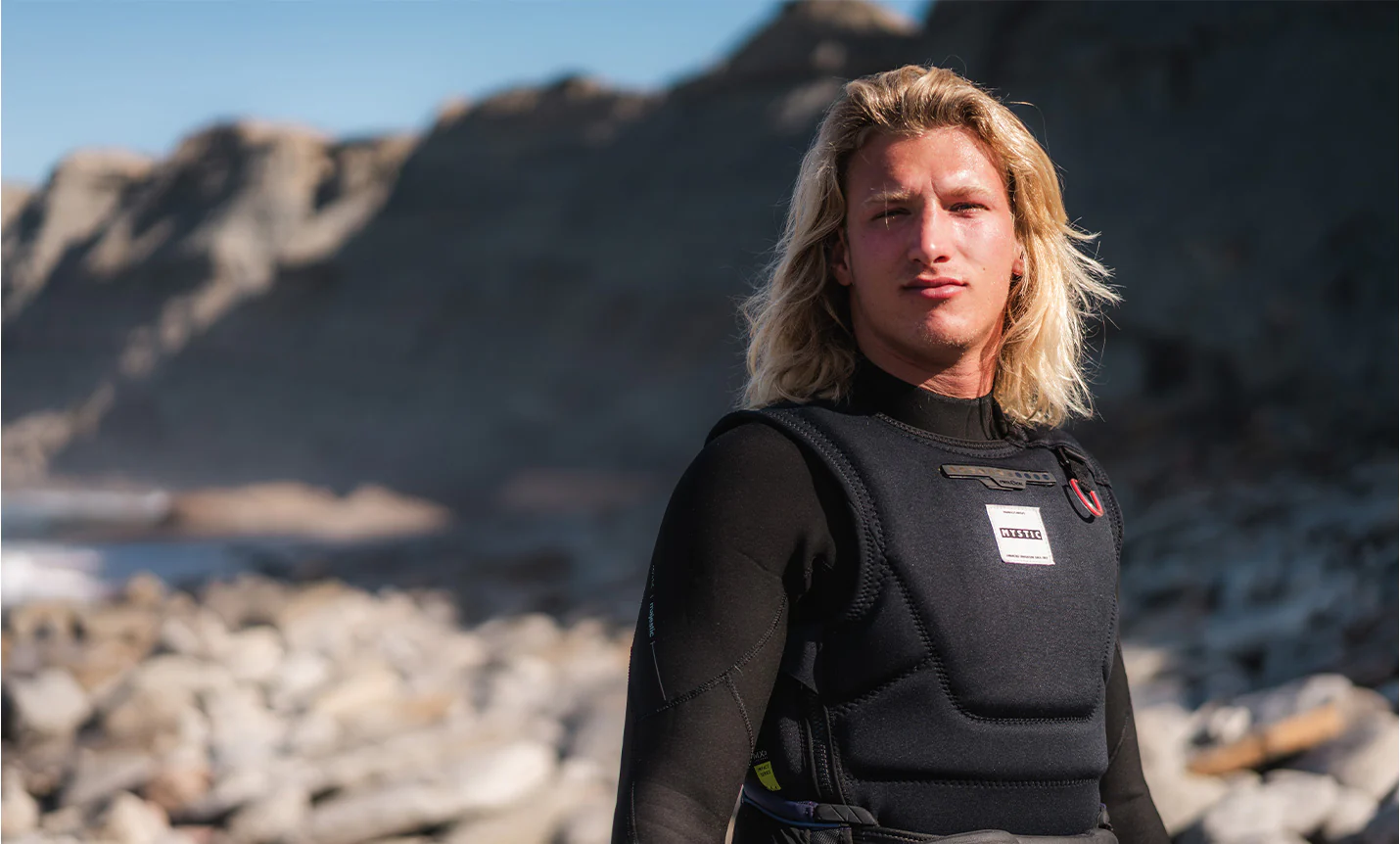
Protection isn’t limited to the ribs either. A decent impact vest provides coverage across a significant proportion of your upper body, including your chest and back. Depending on the design and the harness you’re using, that can give you an extra layer of protection across precisely the areas that tend to take the brunt of a high-speed slam.
Perhaps more importantly, wearing one has very few downsides these days. Older impact vests could be bulky and restrictive, particularly when combined with a kite harness. Modern designs are considerably more sophisticated, with flexible foam panels, stretch fabrics and carefully considered areas of protection designed to work alongside a harness rather than fighting against it.
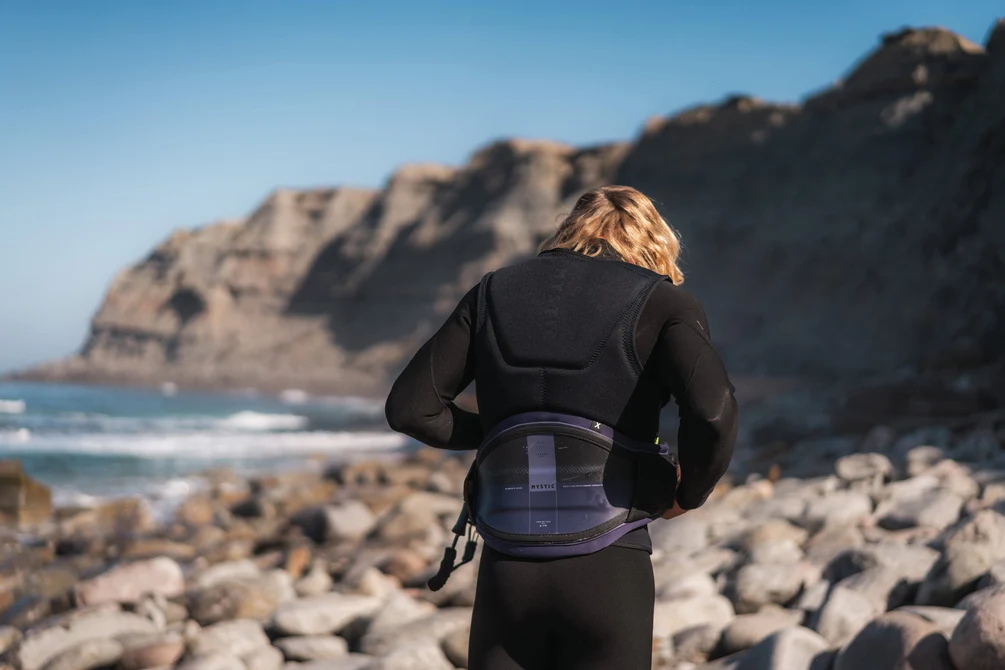
Getting that combination right is important. Kitesurfing places some fairly unique demands on an impact vest because we’re also wearing a harness around our waist or torso. A vest needs to protect the areas that matter without bunching up, riding upwards or interfering with the harness. Fit is therefore every bit as important as the amount of padding, and it’s worth trying different designs to find one that works with your particular harness and body shape.
There is another element to all of this that has become increasingly relevant as big air has exploded in popularity. Twenty years ago, relatively few recreational riders were regularly trying to jump ten metres or more. Now we have incredibly capable kites, accurate jump tracking and an entire generation of riders inspired by what they’re seeing at events like the Red Bull King of the Air.
That’s fantastic for the sport, but greater performance inevitably means greater consequences when things go wrong.
You don’t have to be chasing thirty metres for that to matter either. If you’re trying to beat your personal best, learning your first kite loops or simply pushing harder because the conditions are firing, you’re adding height, speed and energy to your riding. When you land properly, that energy disappears through the board. When you don’t, your body often ends up dissipating it instead.
Impact protection therefore isn’t something I’d reserve for elite big air riders. In many respects it makes even more sense for riders progressing towards those levels because they’re the ones crashing most frequently. The same applies to beginners. Learning to kitesurf involves being dragged, losing your edge, mistiming movements and occasionally arriving in the water in positions you hadn’t planned. You don’t need to be doing kite loops to take a heavy hit.
There’s also a psychological benefit that I think is easy to underestimate. Progression requires commitment. Whether you’re learning to jump, trying your first back roll or sending a powered loop, hesitation is rarely helpful. Knowing you’ve got some protection around your ribs doesn’t remove the consequences of getting it wrong, but it can provide a little extra confidence when you’re pushing yourself.
Of course, an impact vest should never encourage you to take risks you wouldn’t otherwise take. Good judgement, understanding the conditions and progressing at an appropriate pace remain far more important than anything you can wear. Think of protection as another layer in that system rather than a licence to do something stupid.
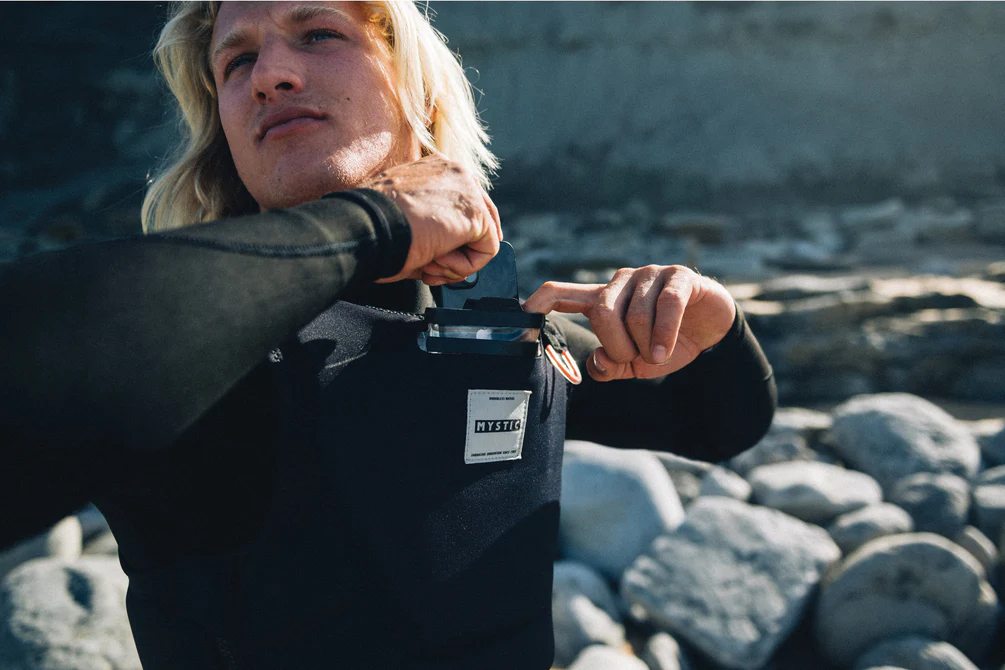
There are some useful secondary benefits too. The additional insulation around your torso can make a surprising difference during cold sessions, while some of the latest designs are incorporating genuinely useful features beyond impact protection. Pockets for phones are becoming increasingly relevant as more riders use apps to track their sessions and jumps, while the materials, cuts and construction of the vests themselves continue to improve.
Perhaps the biggest argument in their favour, though, is simply how little effort wearing one requires.
We spend thousands on kites, boards, bars and harnesses. We’ll happily buy another board because it might improve our landings or change kite because we want a little more height. Against that backdrop, spending a relatively small amount protecting your ribs and upper body seems like a pretty sensible investment.
If you’re pushing your kitesurfing, whether that means learning your first jumps or chasing a new personal best, an impact vest is one of the simplest ways of adding another layer of protection.
You won’t appreciate it during the hundreds of crashes where nothing goes wrong.
You might appreciate it enormously during the one where it does.
Product Spotlight
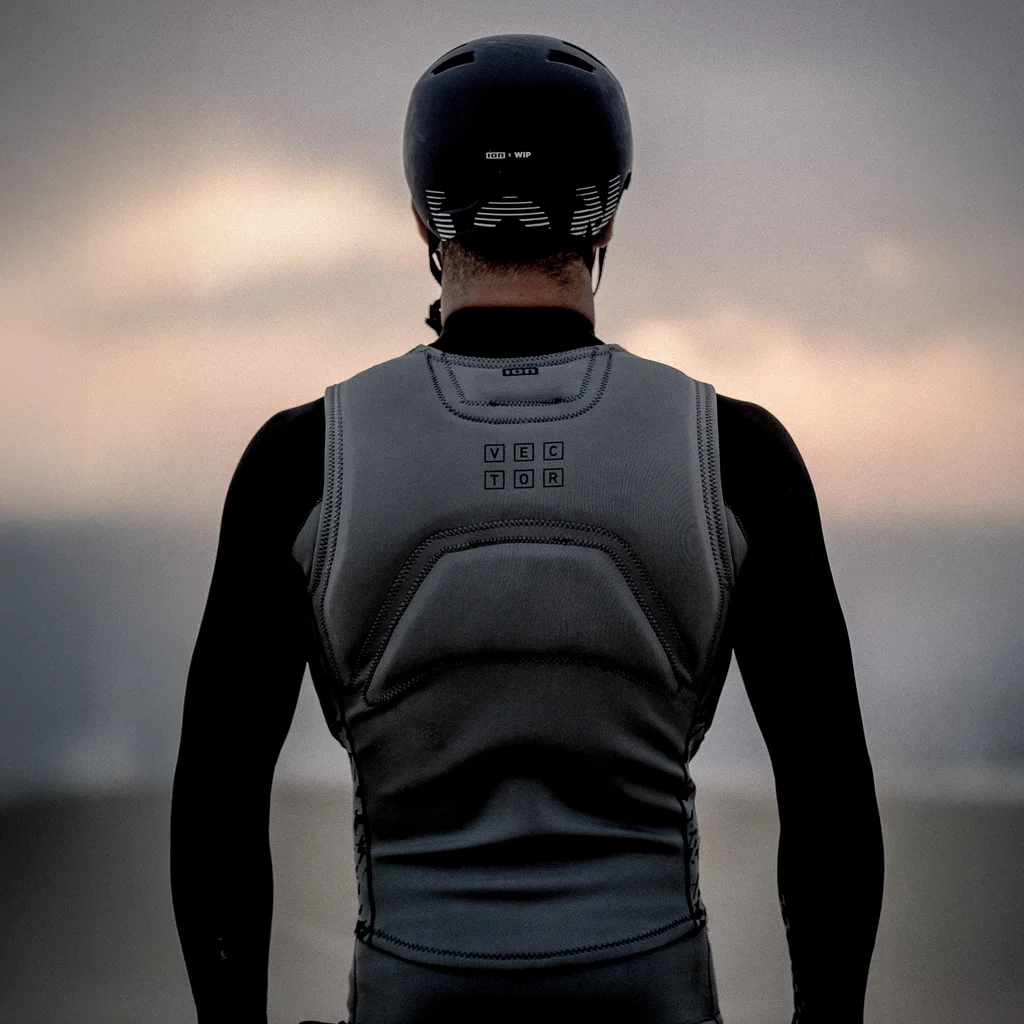
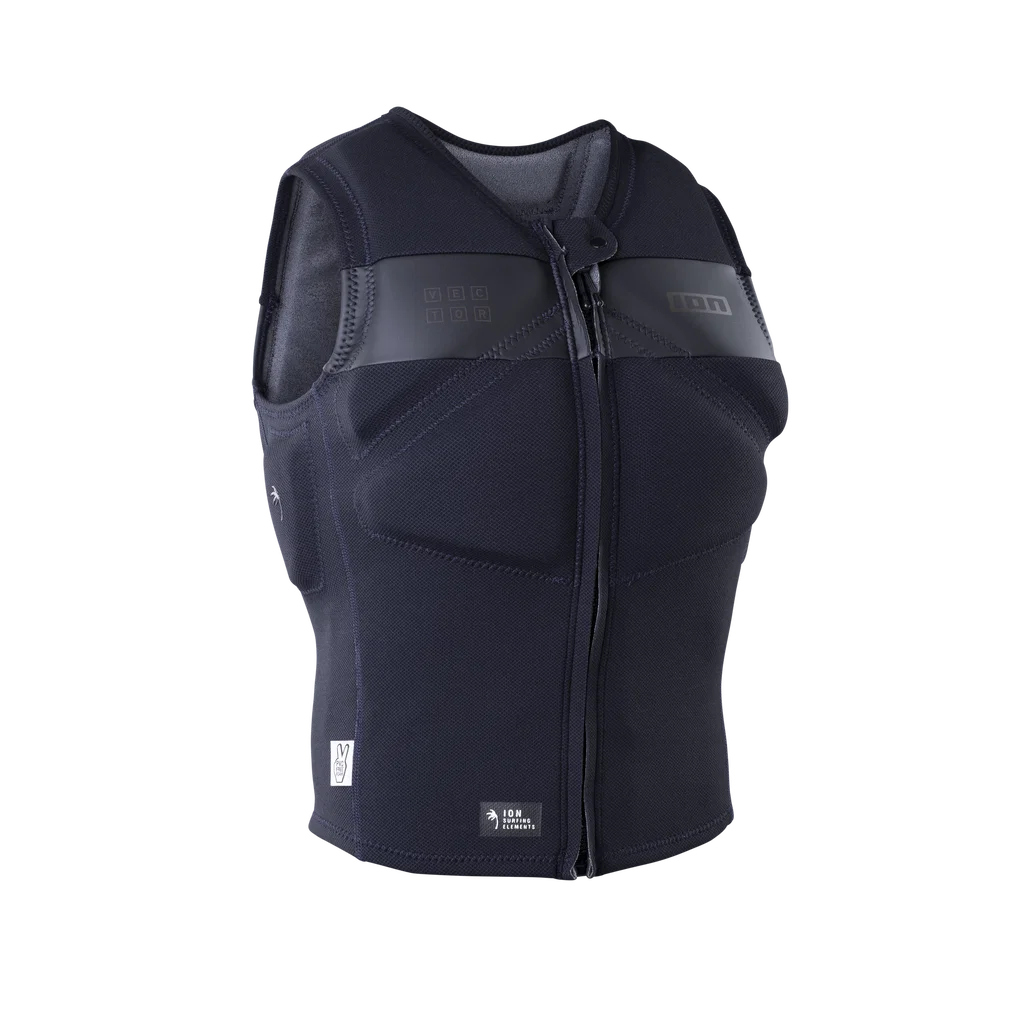
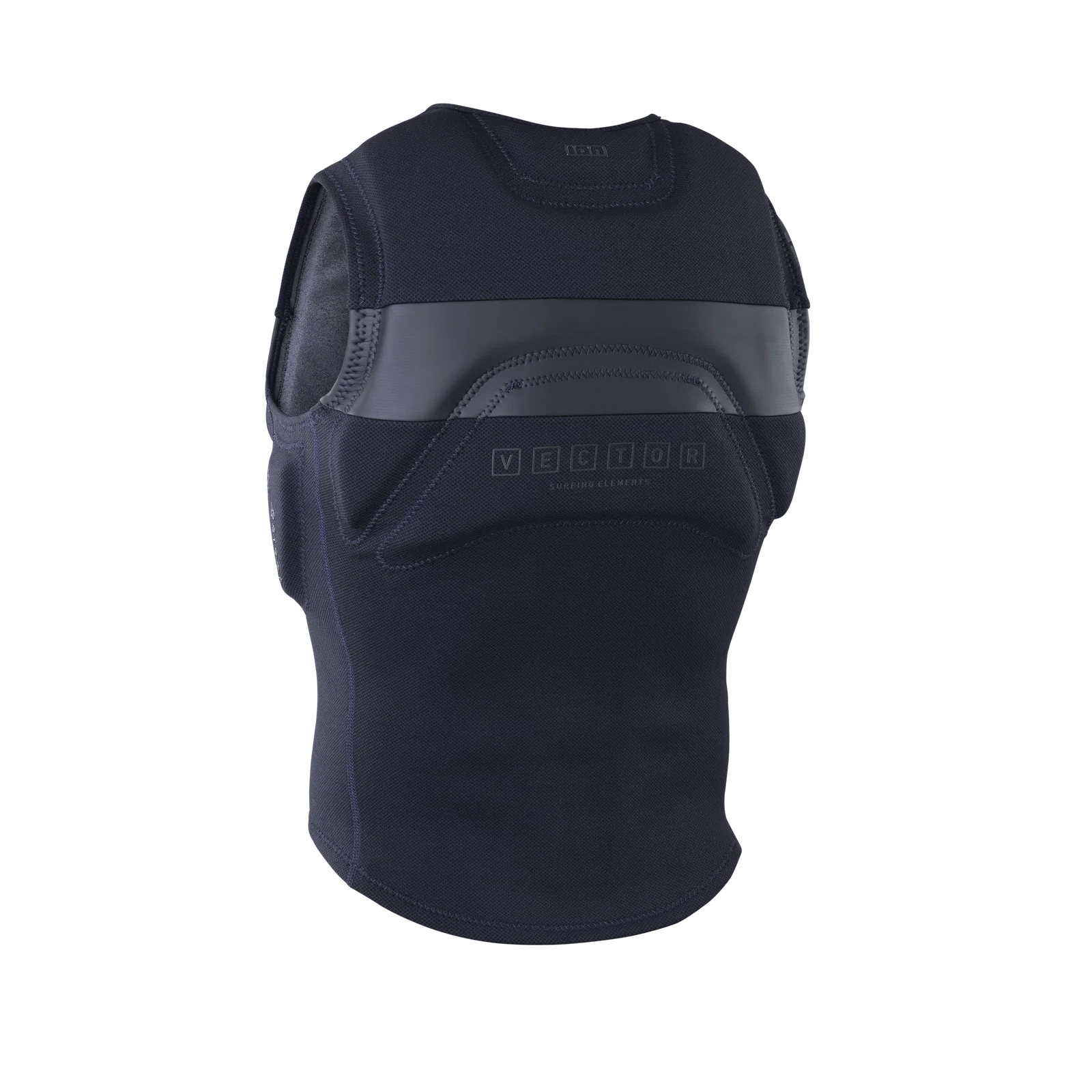
ION Vector Select Vest Front Zip
For more information, Click Here.
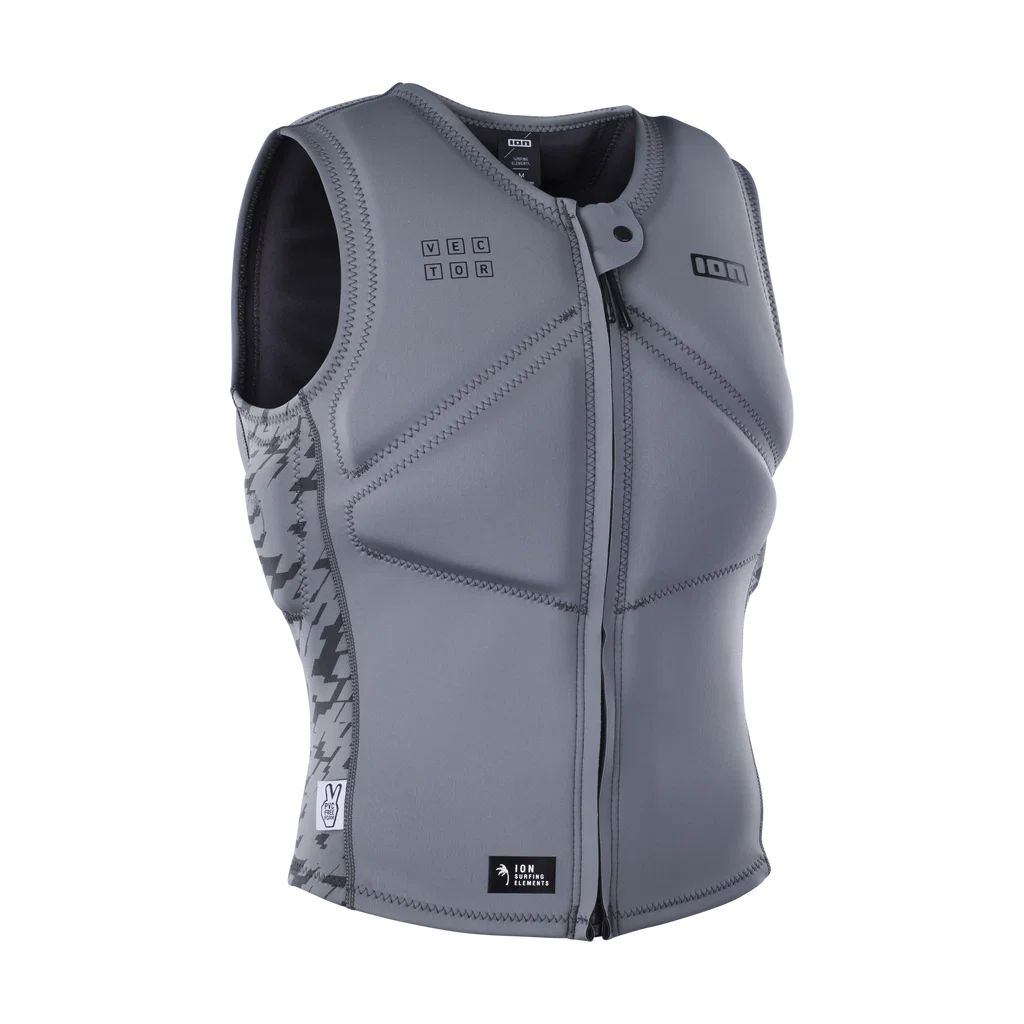
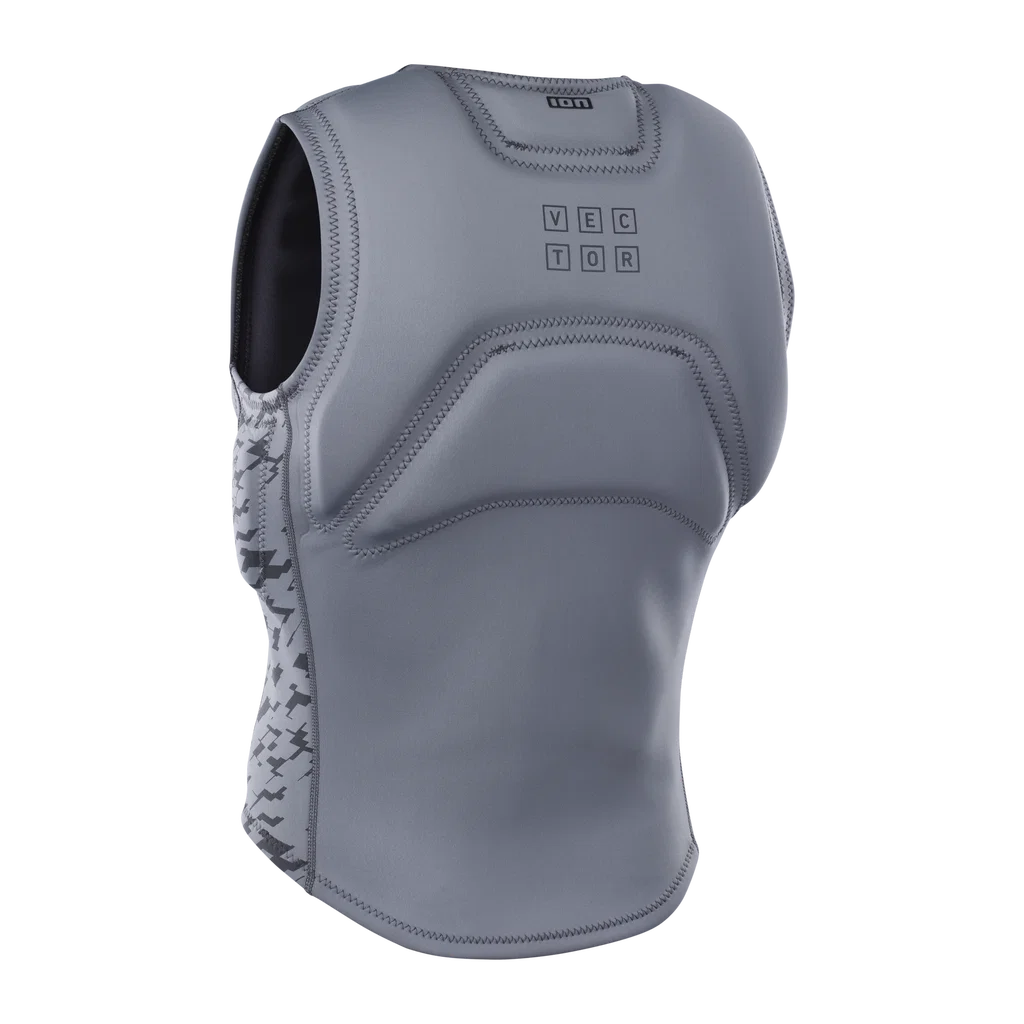
Sitting at the premium end of ION’s kite impact range, the Vector Select is designed to provide serious upper-body protection while still allowing the freedom of movement you need on the water. Flexible padding wraps around the torso, providing coverage where it’s needed without creating an excessively bulky vest that interferes with your harness. The front zip also makes getting in and out straightforward, particularly when you’re already wrestling with a wetsuit. For riders regularly pushing their jumping, freestyle or big air riding, the Vector Select is a strong option for adding protection without compromising mobility.
ION Vector Vest Core Front Zip
For more information, Click Here.
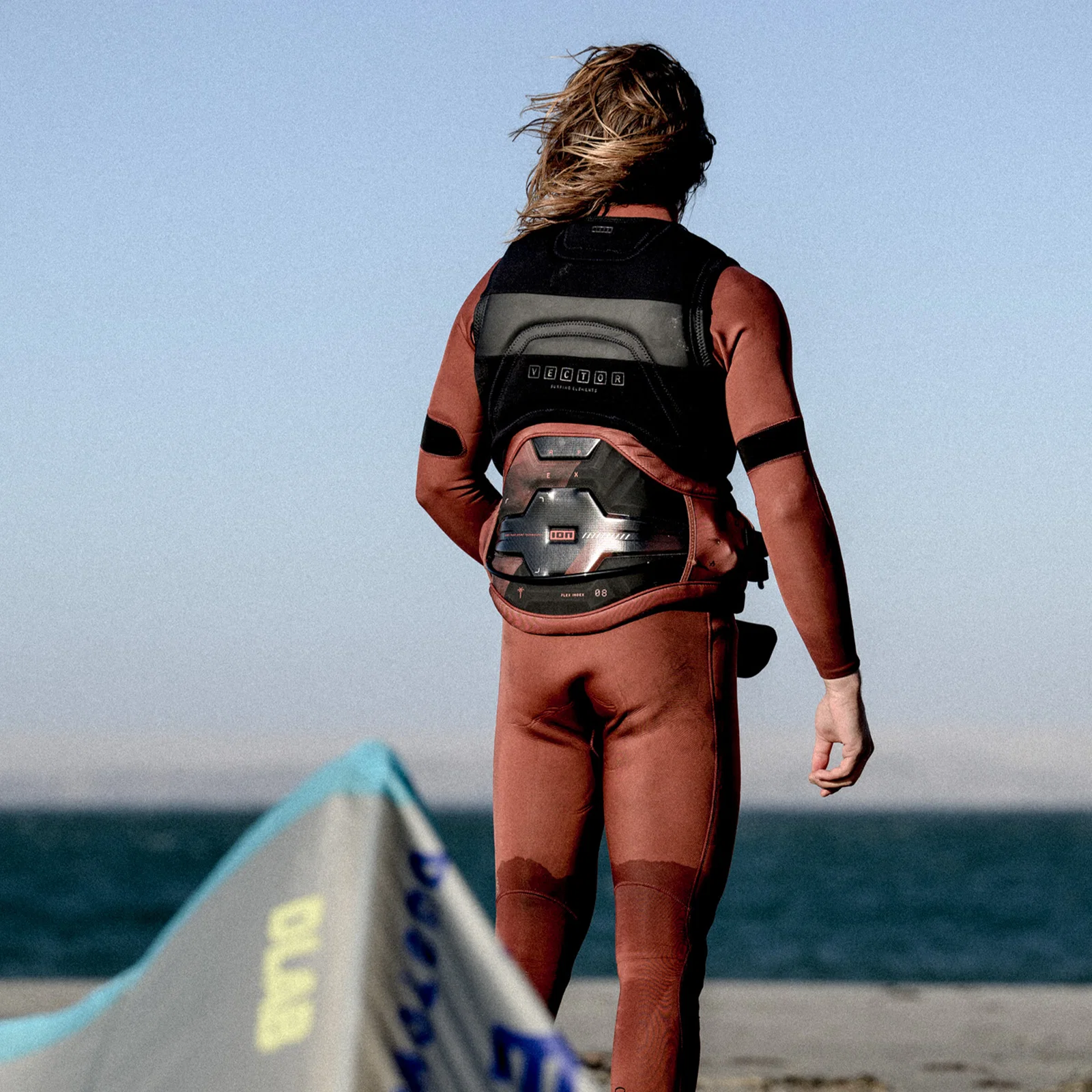
The Vector Core takes a more straightforward approach, offering the essential impact protection most riders need in a comfortable and flexible package. The close-fitting construction is designed to work alongside your harness while providing padding around the upper body, and the front zip keeps things simple when you’re getting changed. If you’re looking for an everyday vest rather than something packed with additional features, the Vector Core delivers the protection that matters in a clean, uncomplicated design.
ION Ivy Vest Front Zip
For more information, Click Here.
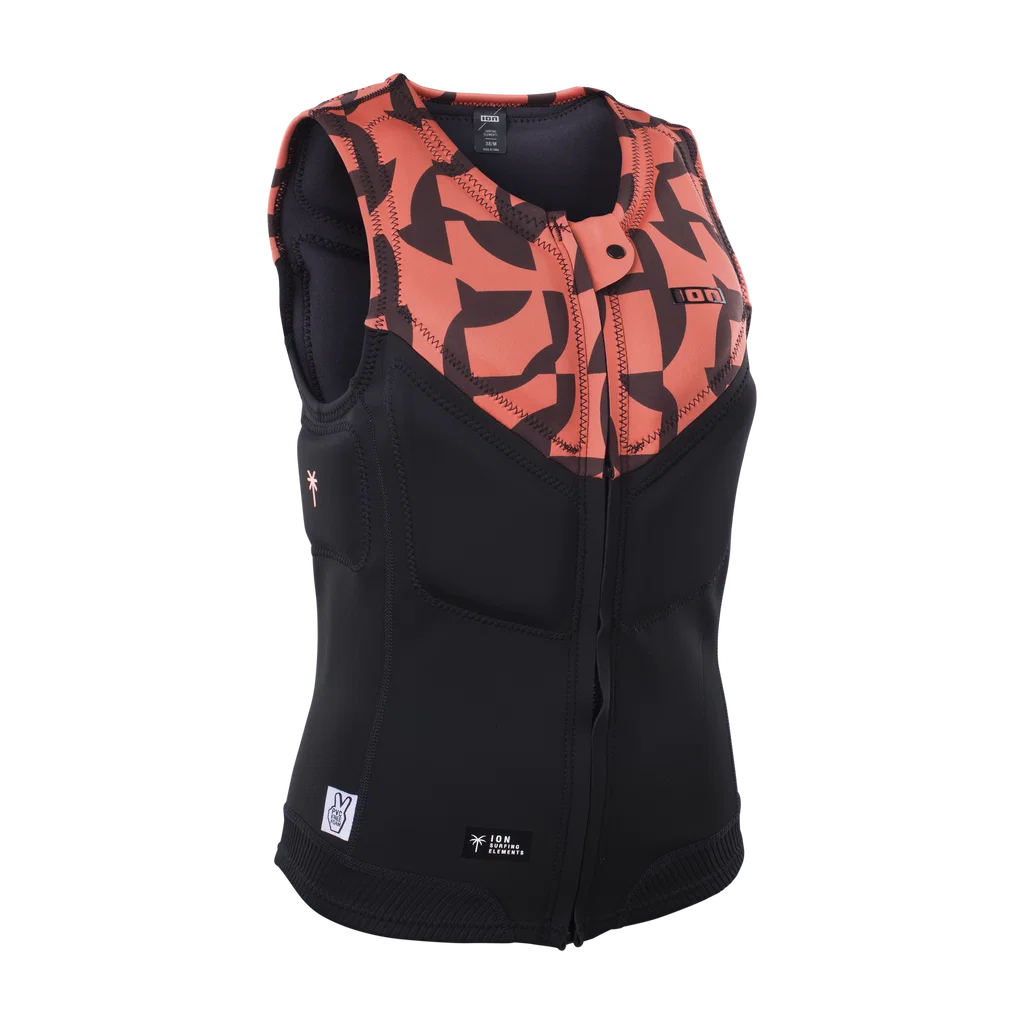
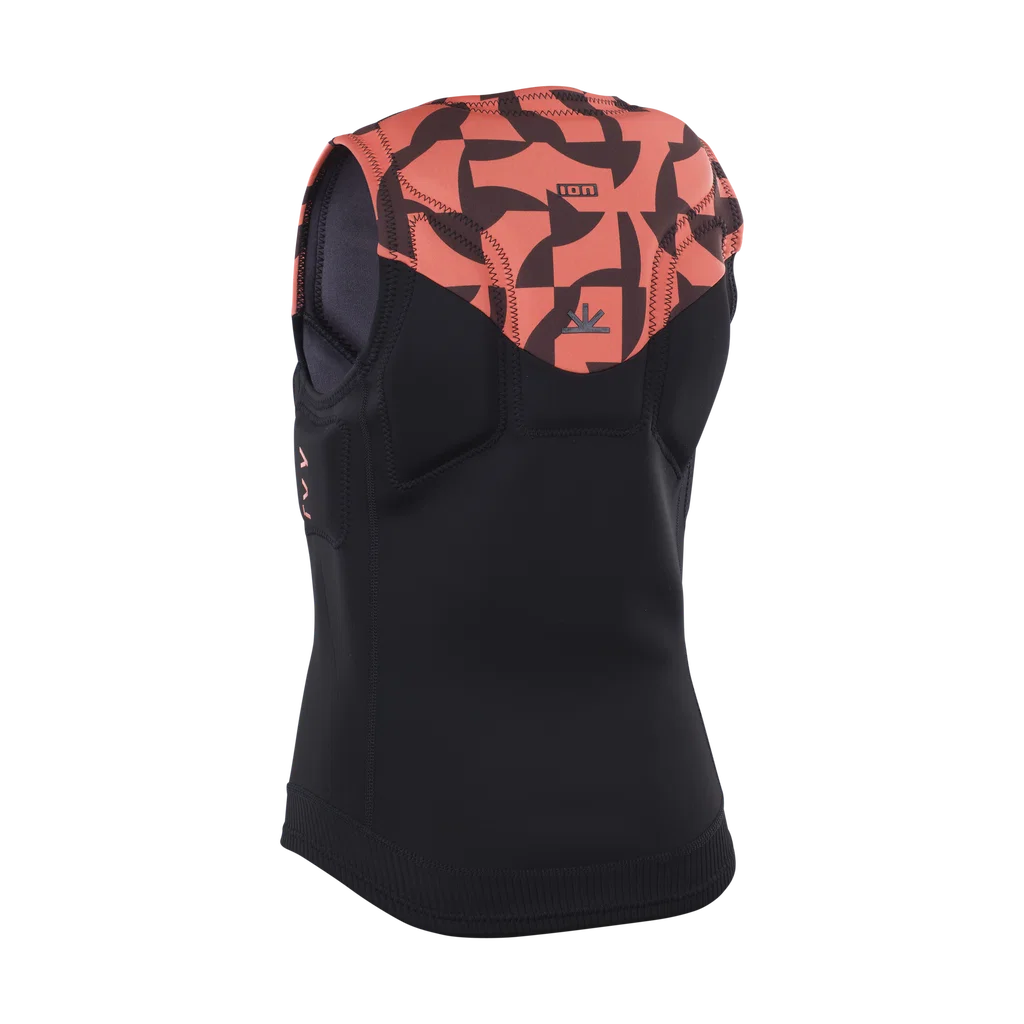
ION’s Ivy brings the same focus on impact protection to a women’s-specific fit, with the shape and placement of the padding designed around the female body rather than simply resizing a men’s vest. Freedom of movement is particularly important when you’re hooked into a kite harness, and the flexible construction allows the vest to move naturally with the rider while maintaining useful protection around the torso. The front zip makes it easy to use, while the streamlined design helps everything sit comfortably together once your harness is on.
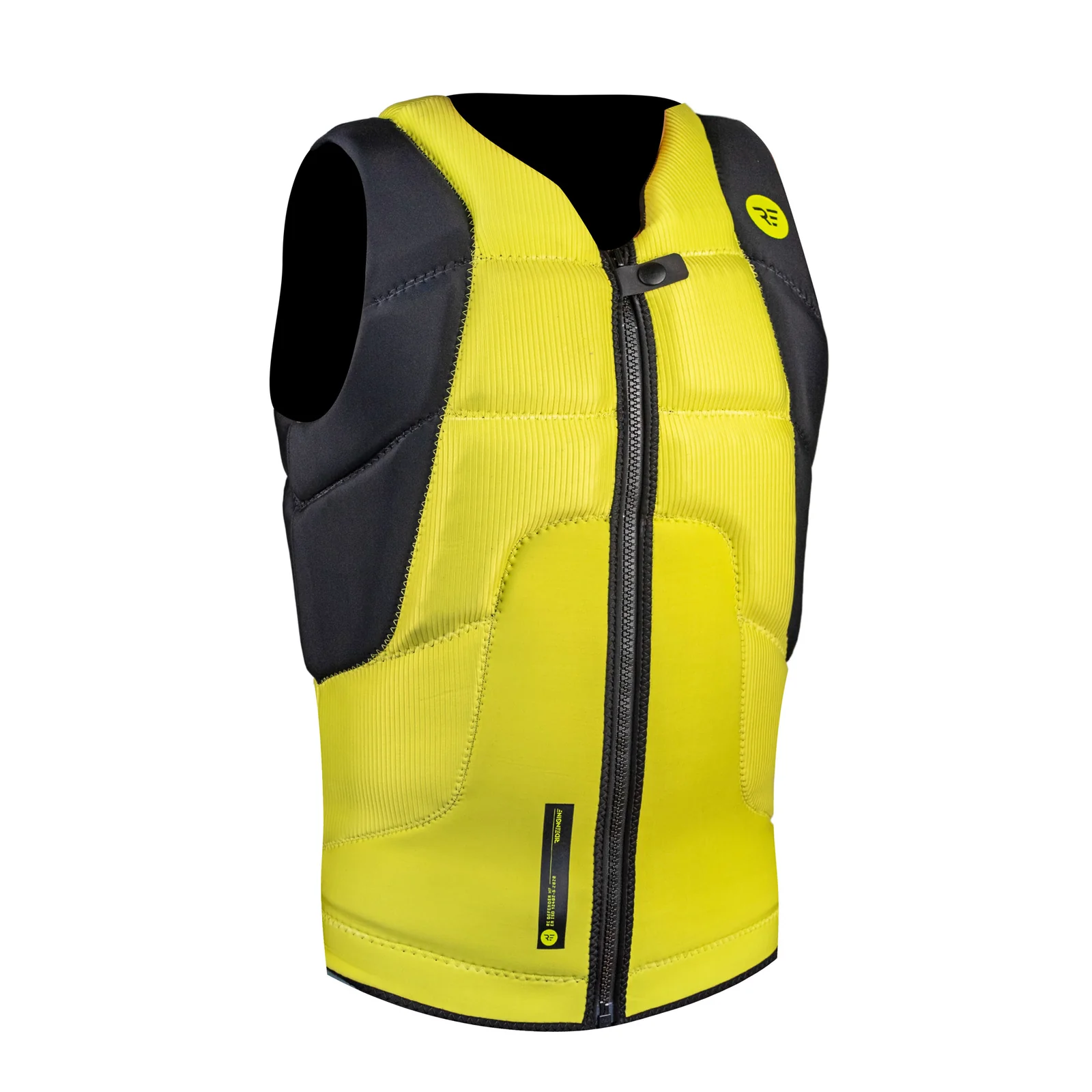
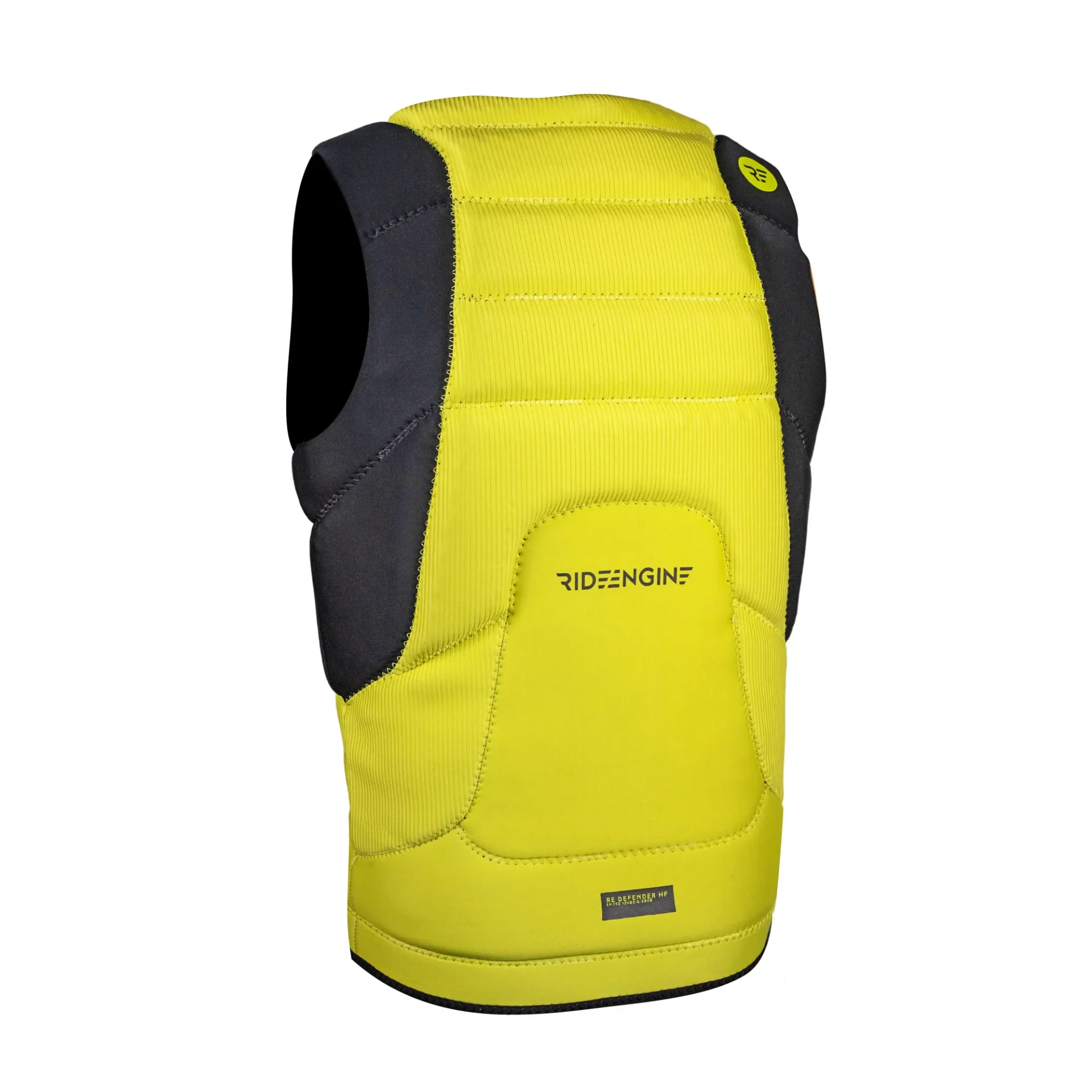
Ride Engine Defender HF Impact Vest V2
For more information, Click Here.
The Defender HF V2 is Ride Engine’s premium impact vest and is aimed at riders looking for substantial protection without feeling wrapped in excessive padding. The segmented construction allows the vest to articulate with your body, helping maintain the freedom of movement that’s particularly important when you’re rotating through tricks or reaching for grabs. It’s a versatile design that makes sense for everything from freeride sessions to powered freestyle and big air, where the consequences of getting things wrong increase considerably.
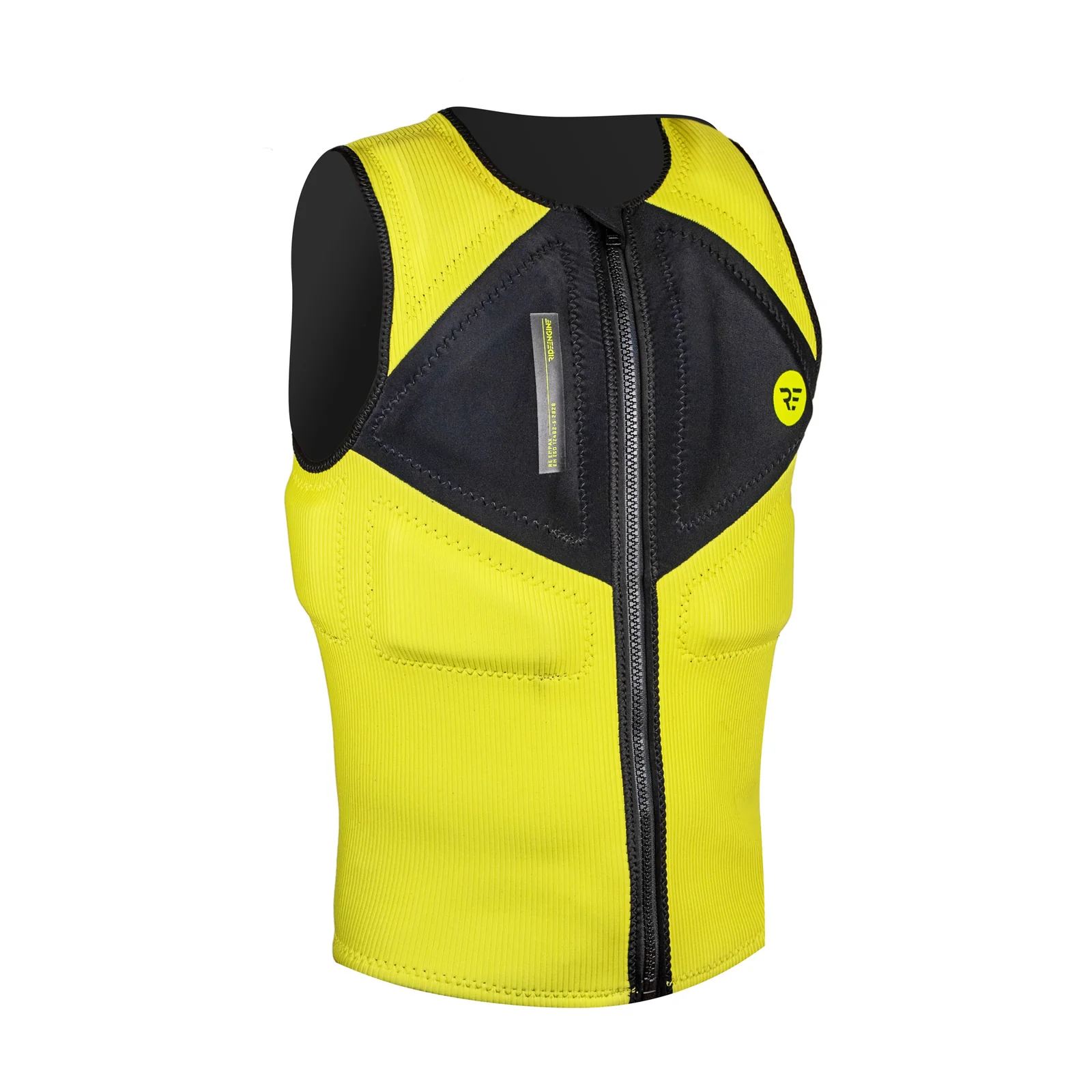
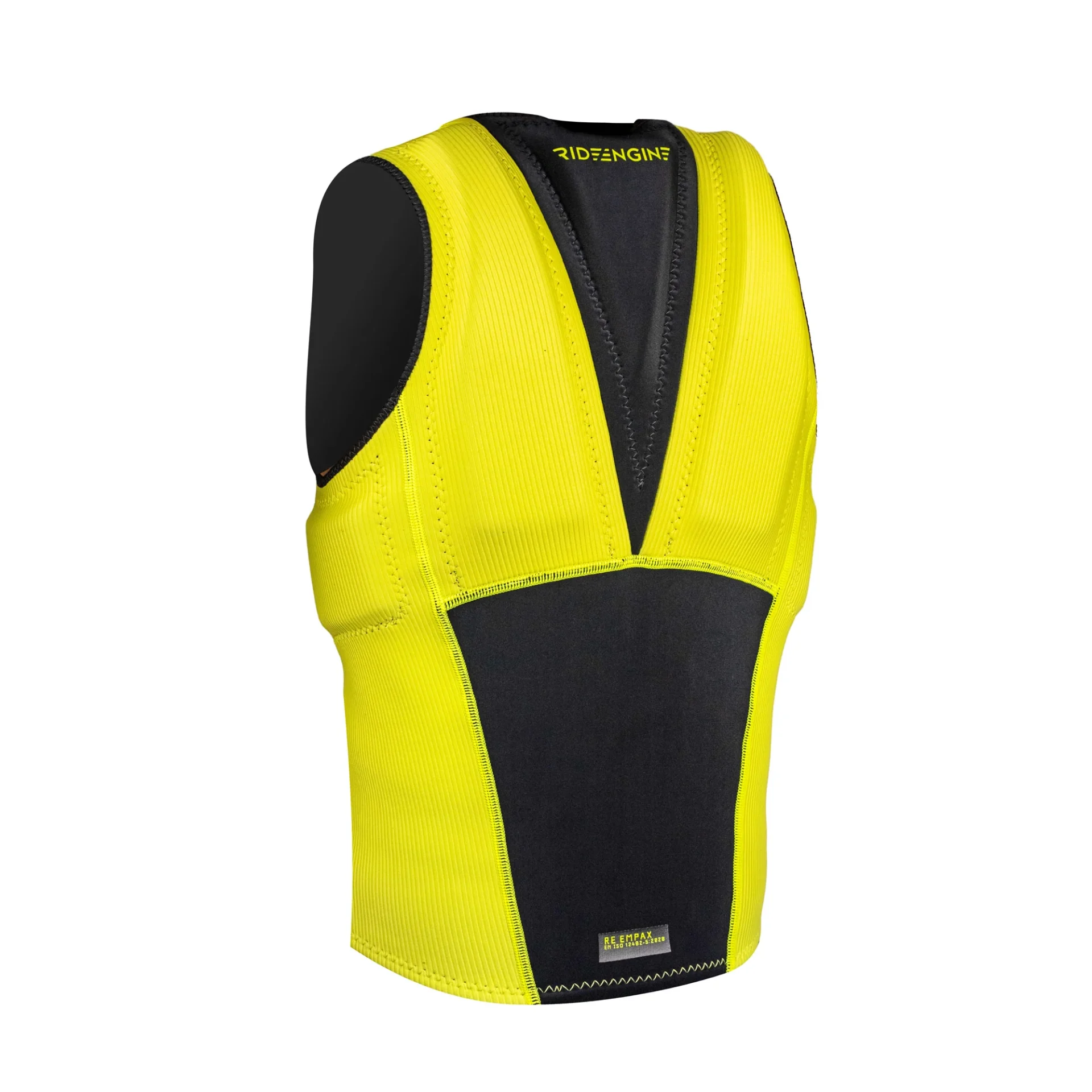
Ride Engine Empax V3 Vest
For more information, Click Here.
The Empax V3 offers another take on Ride Engine’s impact protection, with a design intended to combine useful torso coverage with the flexibility needed for active riding. For kitesurfers, the important part of any vest is how naturally it integrates with the rest of your equipment, particularly your harness, and the streamlined construction makes the Empax a strong everyday option. Whether you’re working on new tricks, pushing your jumps or simply looking for some additional protection during regular freeride sessions, it provides a reassuring layer between your upper body and the water.
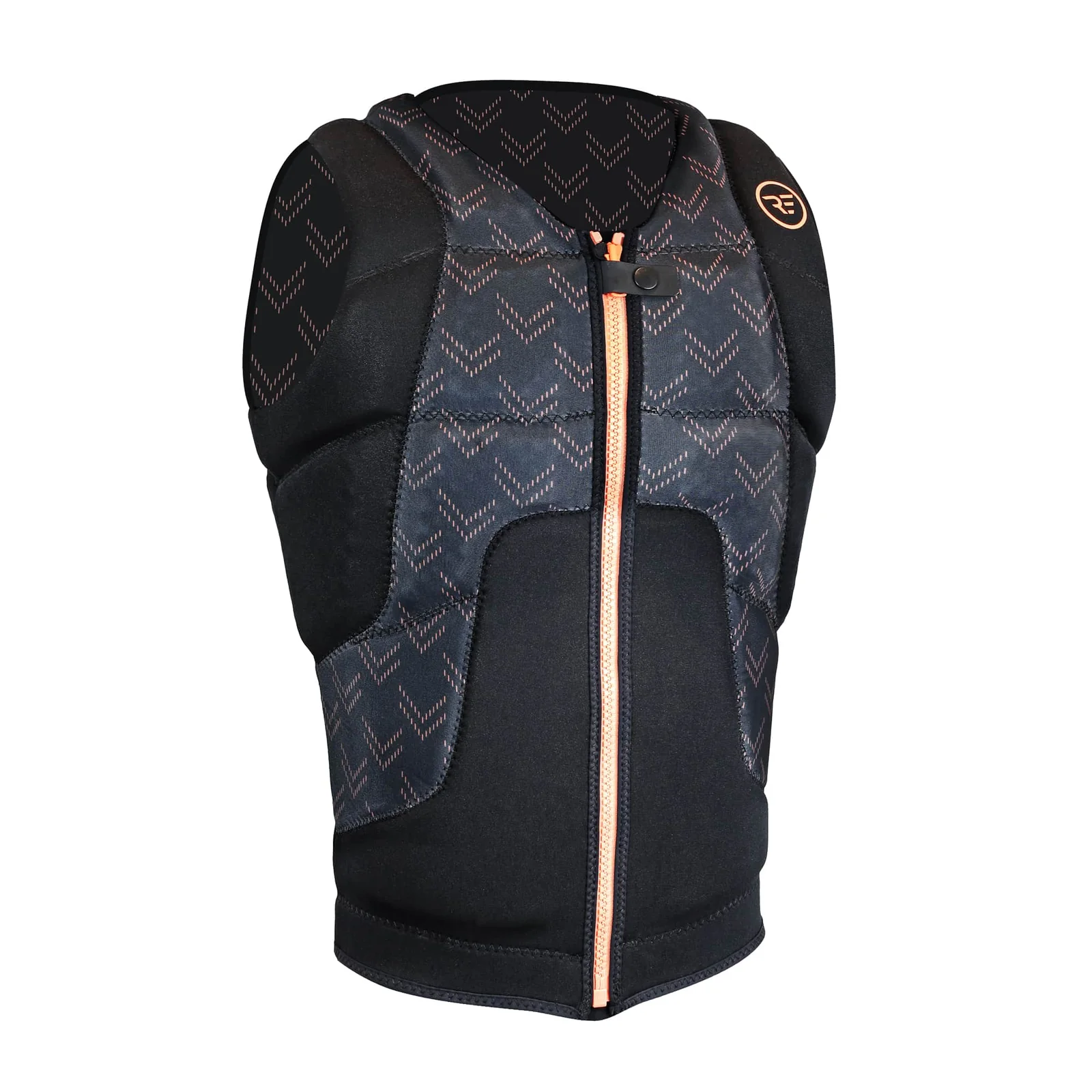
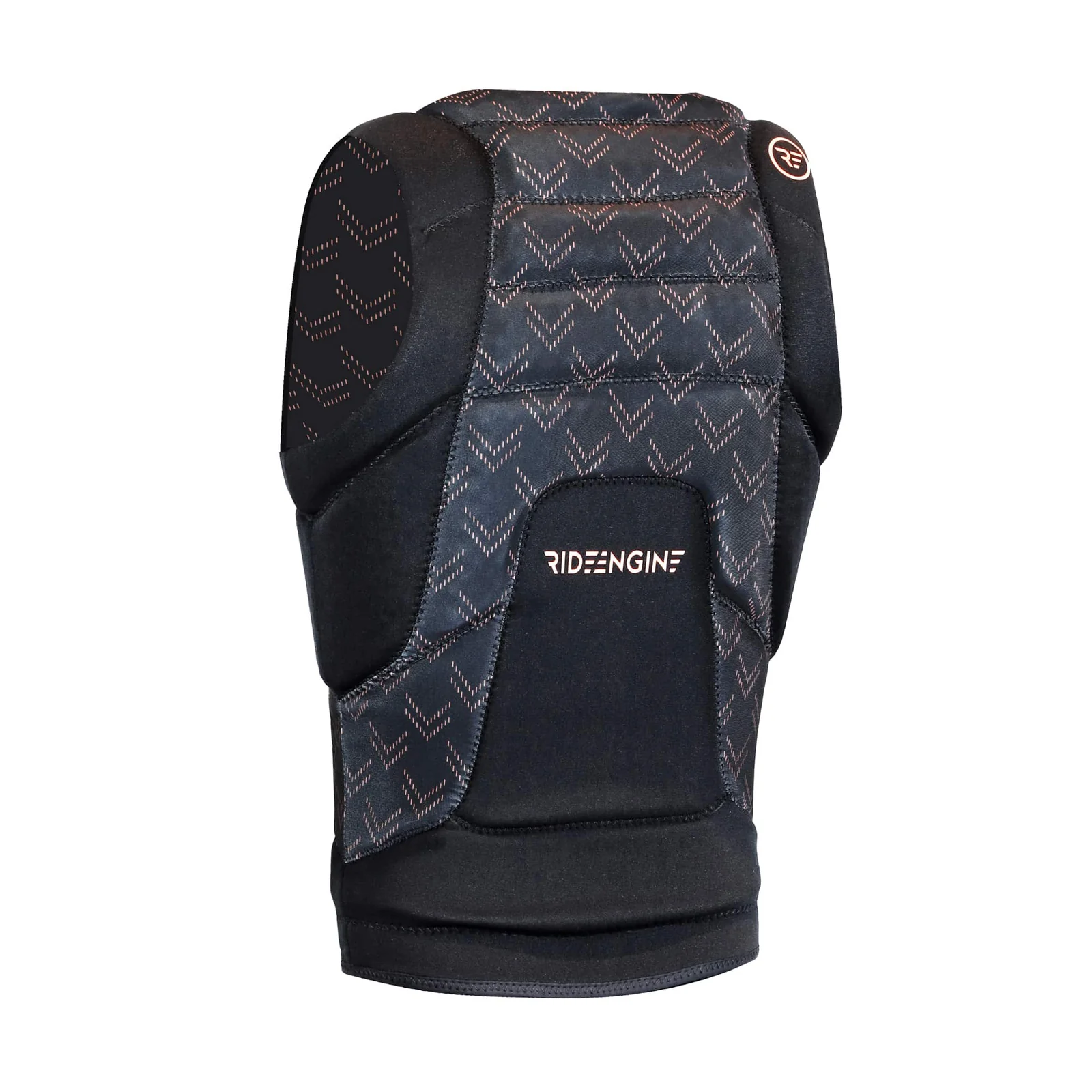
Ride Engine Women’s Defender HF Vest
For more information, Click Here.
The women’s Defender HF takes the protection and flexibility of Ride Engine’s Defender concept and packages it around a women’s-specific fit. Strategically positioned padding provides coverage around the upper body while allowing the mobility needed for powered kitesurfing, and the flexible construction helps the vest move naturally rather than feeling restrictive. For female riders progressing into jumping, freestyle or big air, it’s a particularly interesting option when the aim is meaningful protection without unnecessary bulk.
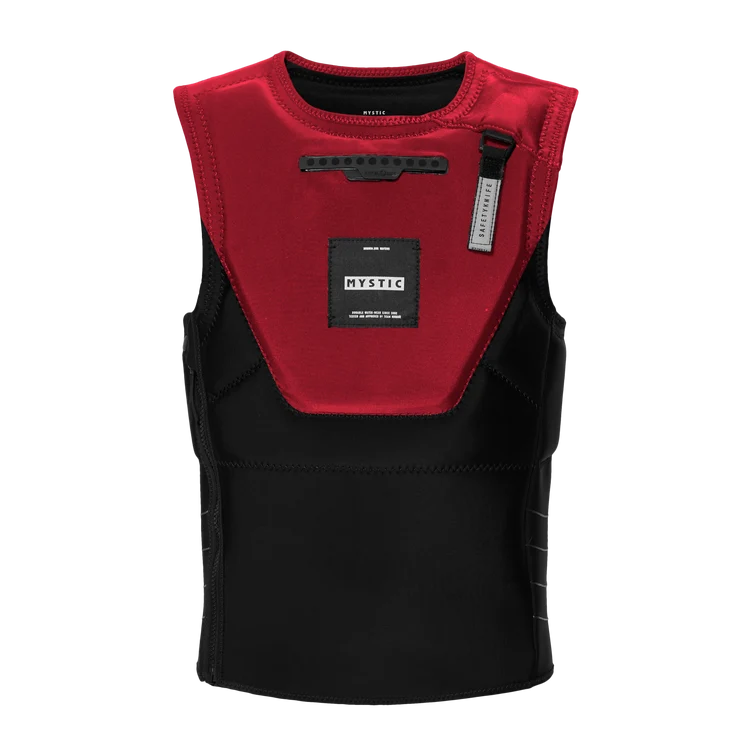
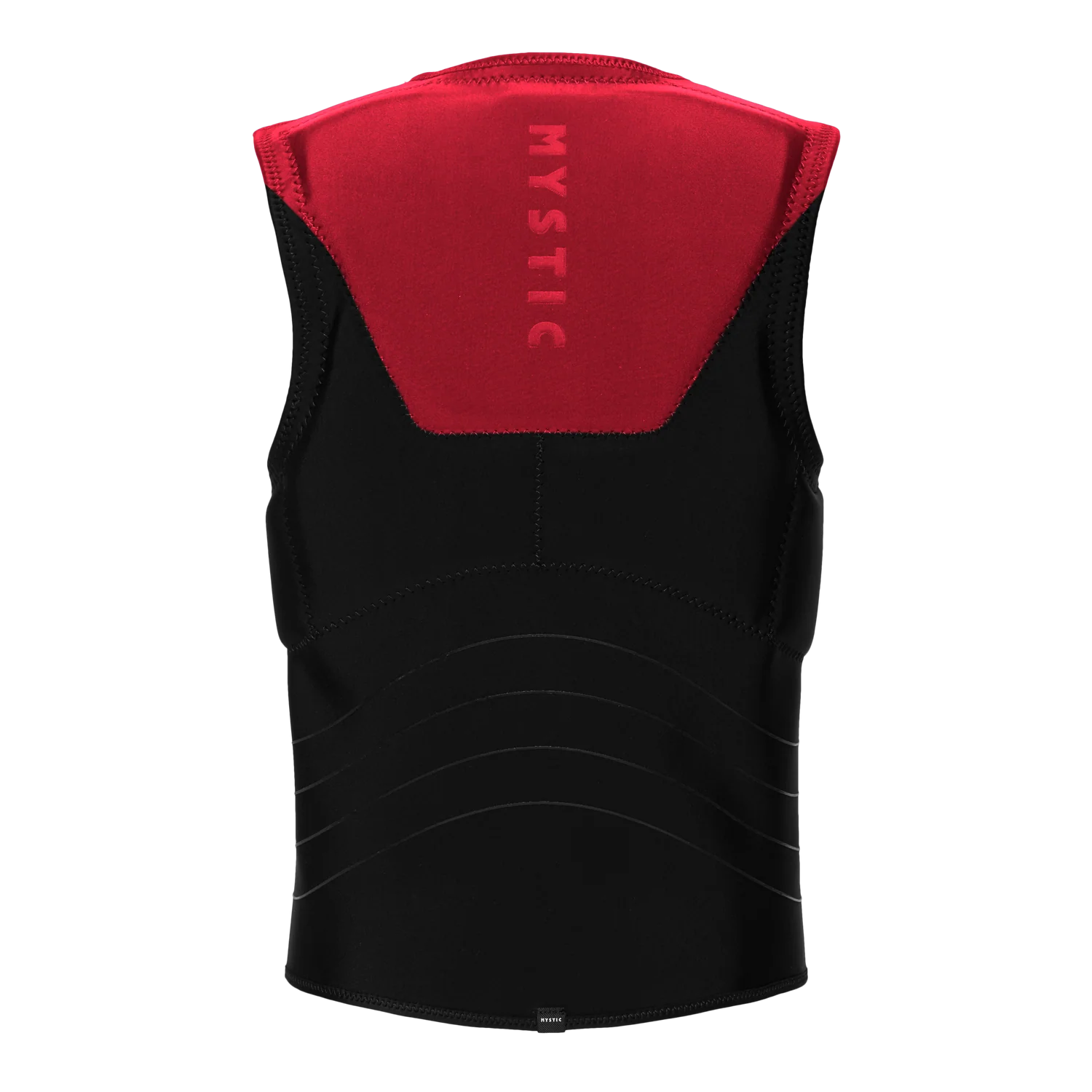
Mystic Solace Impact Vest Side Zip
For more information, Click Here.
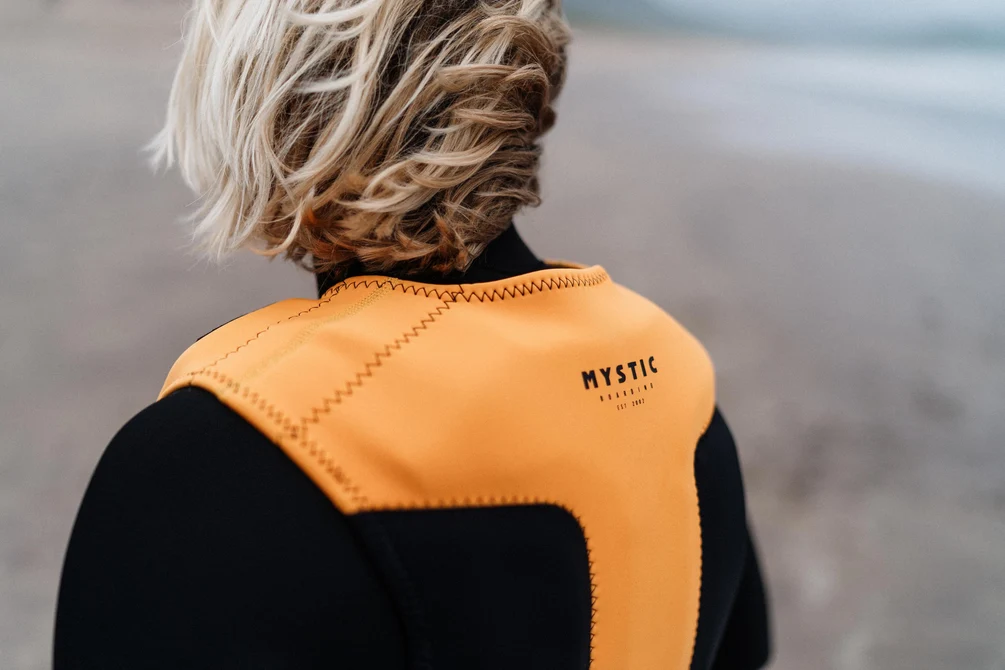
The Solace stands out because Mystic has incorporated features that make particular sense for modern kitesurfers. Alongside impact protection for the upper body, there’s a waterproof phone pocket, allowing you to take your phone onto the water rather than leaving it on the beach. That’s particularly useful for riders using apps such as Surfr to record their sessions and measure jump height, while also giving you the reassurance of having a phone with you if you’re riding somewhere more remote. It’s a good example of how impact vests are evolving from simple protective equipment into something that can add practical functionality to a session.
Mystic Block Impact Vest Front Zip
For more information, Click Here.
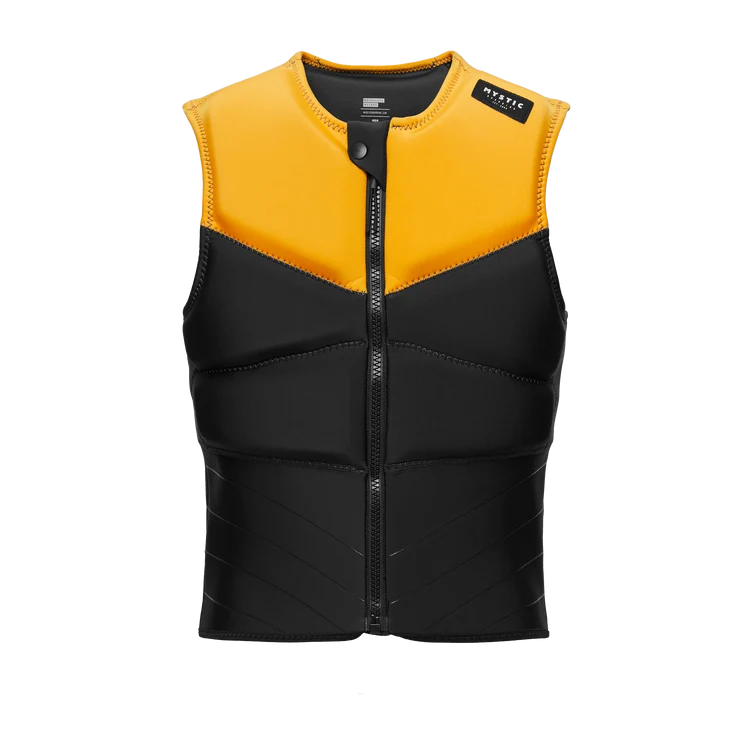
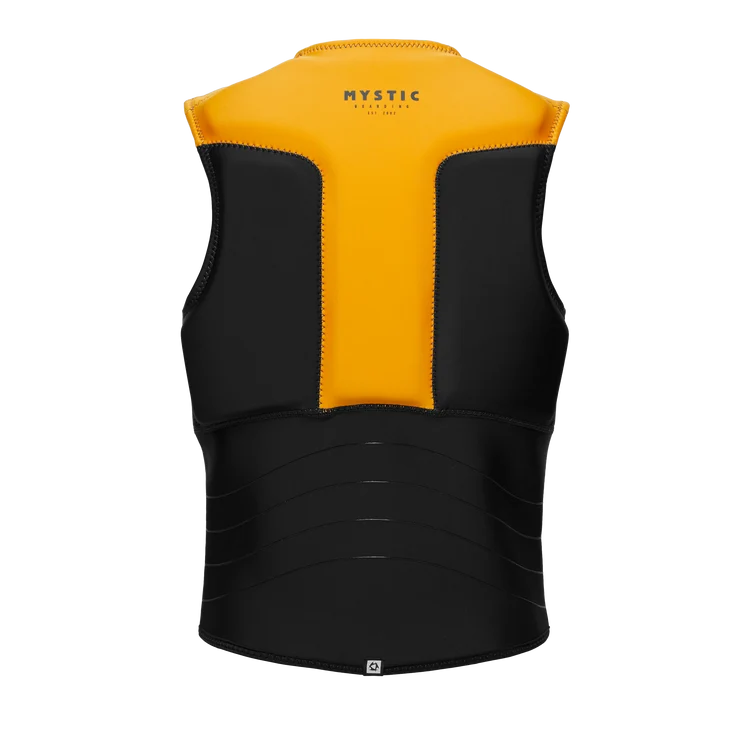
The Block is a more traditional impact vest, concentrating on the fundamentals of protection, comfort and freedom of movement. The front-zip construction makes it easy to get on and off, while the padding provides coverage around the torso without unnecessarily restricting your movement on the water. It’s the sort of uncomplicated vest that makes sense for a broad range of kitesurfers, from riders starting to explore jumping through to experienced kiters wanting an additional layer of protection during powered sessions.
Mystic Dusk Impact Vest Front Zip Women
For more information, Click Here.
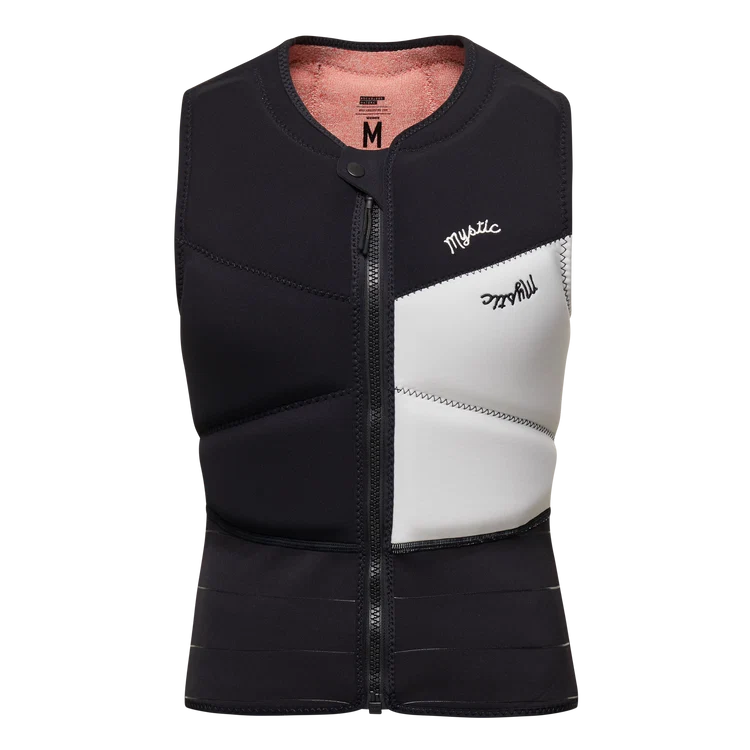
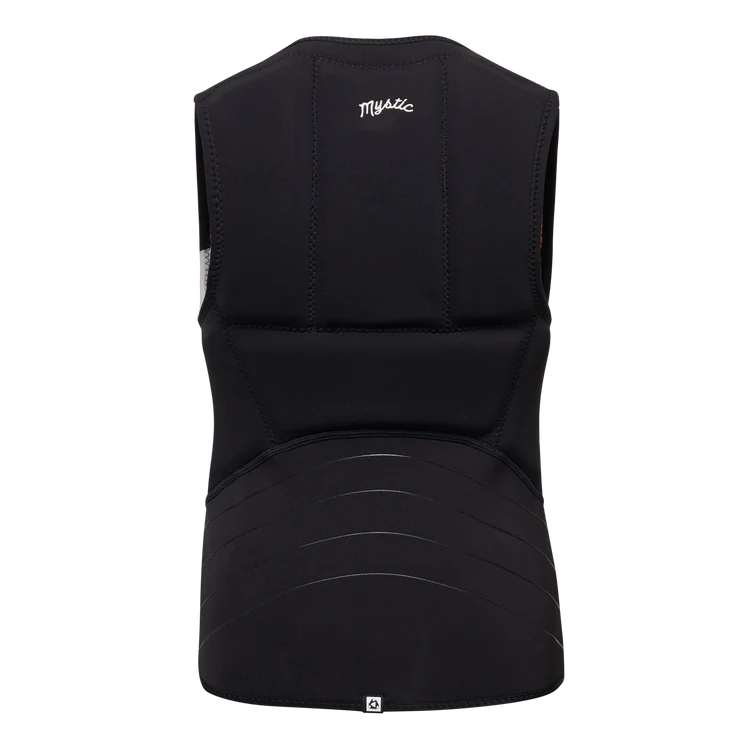
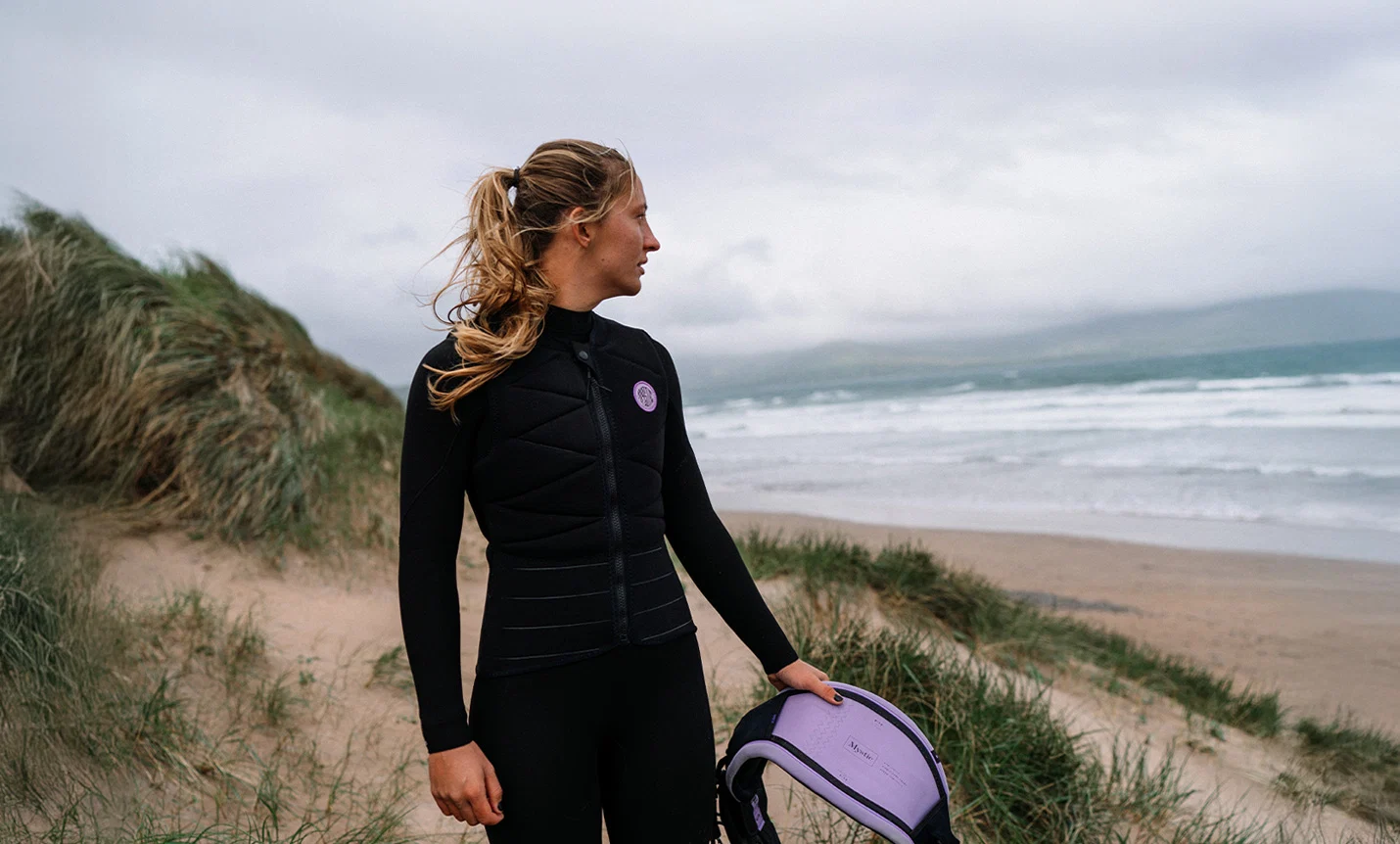
Designed specifically for women, the Dusk combines a tailored fit with flexible impact protection and a straightforward front-zip design. The positioning of the foam allows plenty of movement through the upper body while providing coverage across the areas most exposed during a heavy crash. Importantly for kitesurfing, the streamlined lower section is designed to work comfortably alongside a harness, making the Dusk a practical everyday option for female riders looking to add upper-body protection without compromising freedom of movement.