
Features
The Brainchild Revolution: Ralf Grösel on Innovation, Manufacturing and the Future of Kiteboarding
There aren’t many people in the kiteboarding industry who have had as much influence on the equipment we ride as Ralf Grösel. From his early days at Flysurfer to his time designing some of Duotone’s most successful kites, Ralf has spent decades pushing the boundaries of what’s possible with inflatable wings, materials and manufacturing techniques.
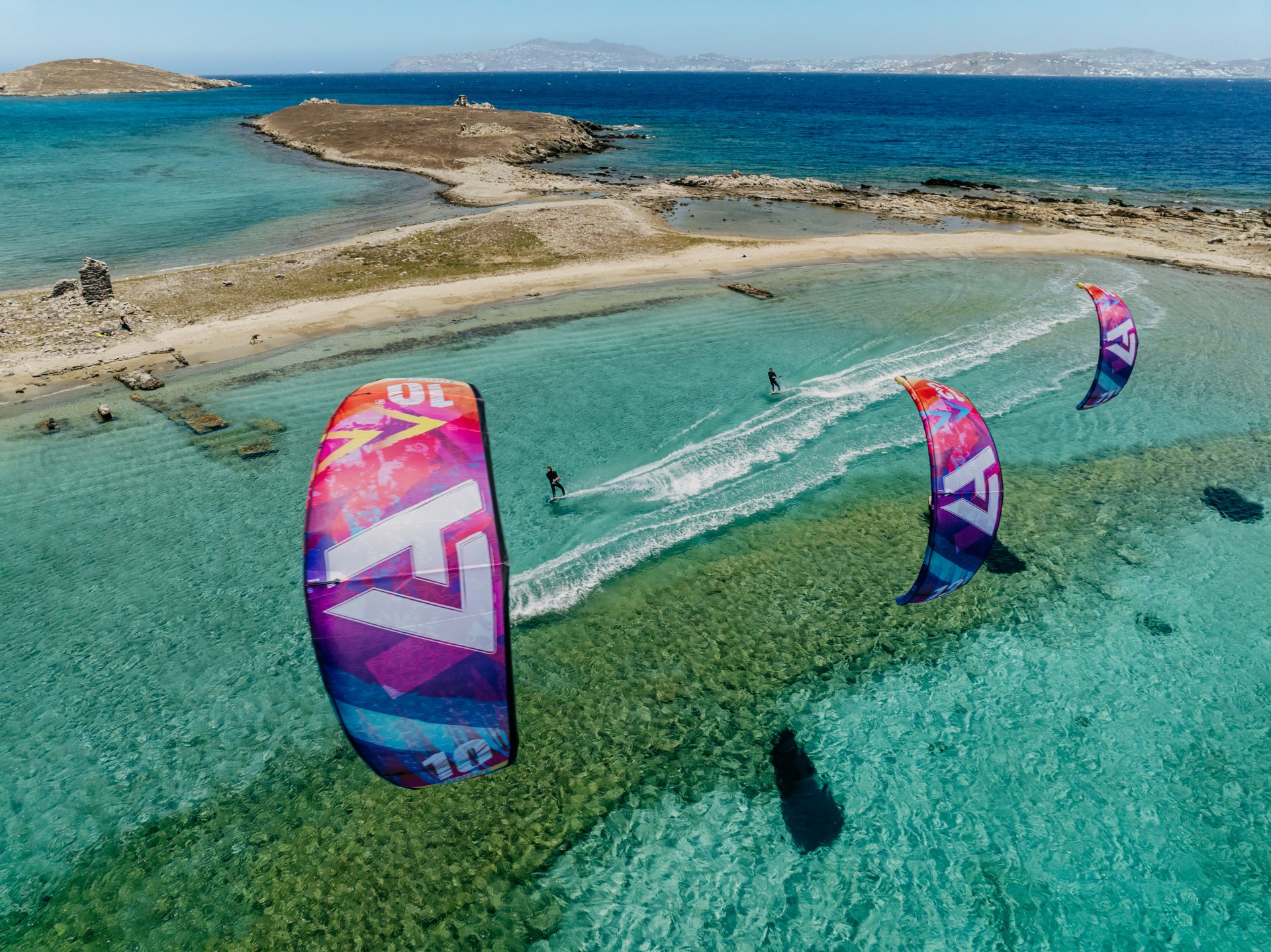
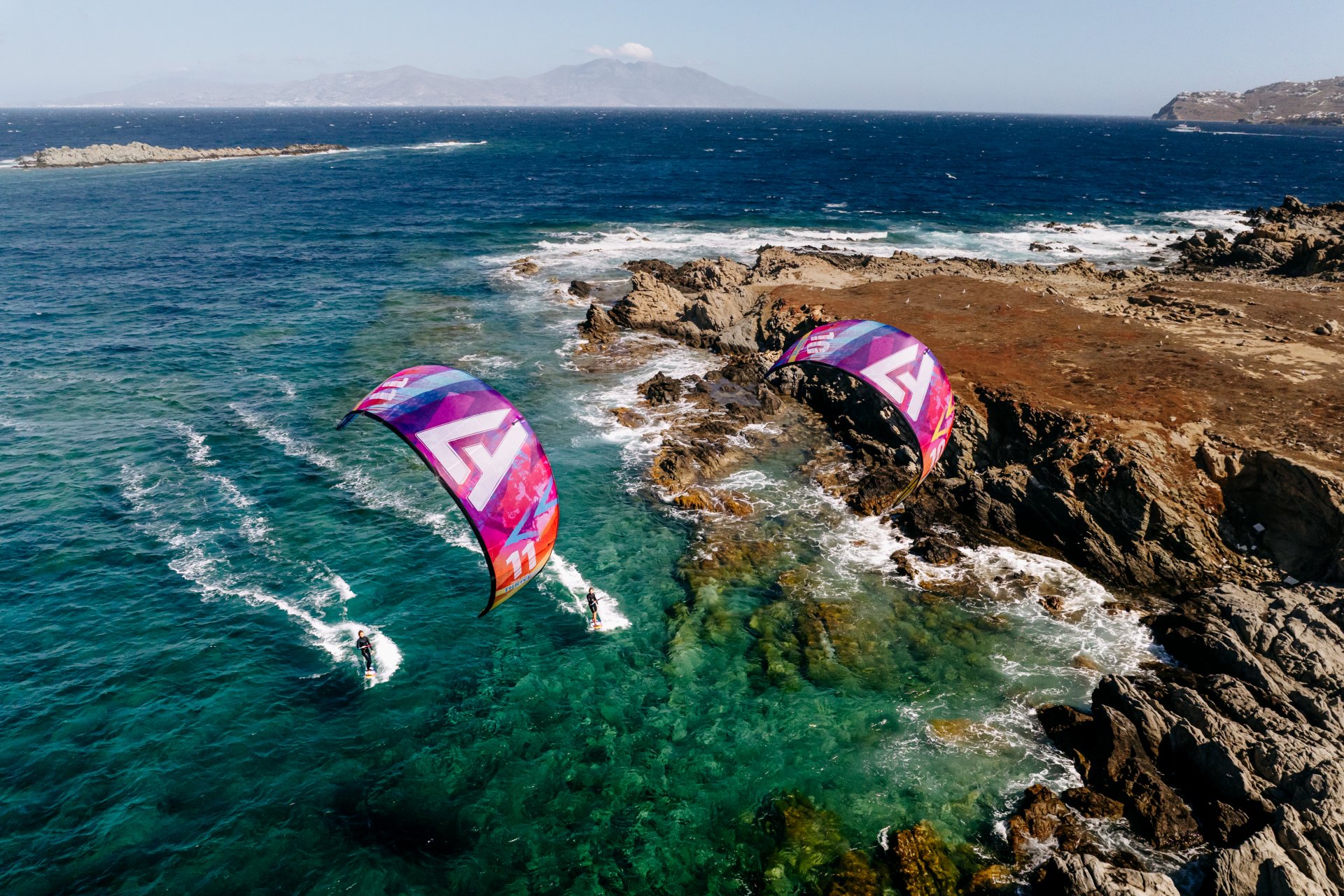
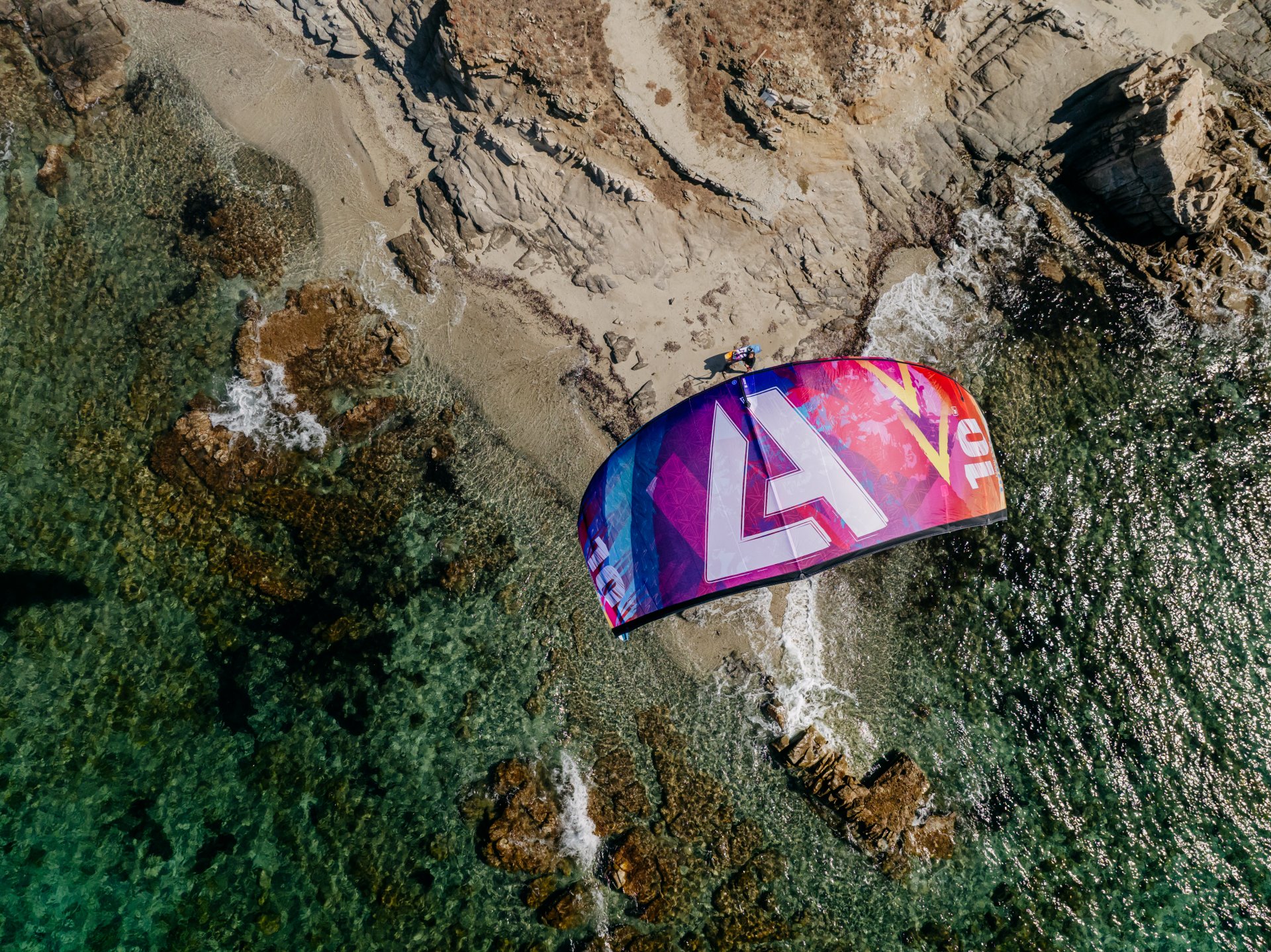
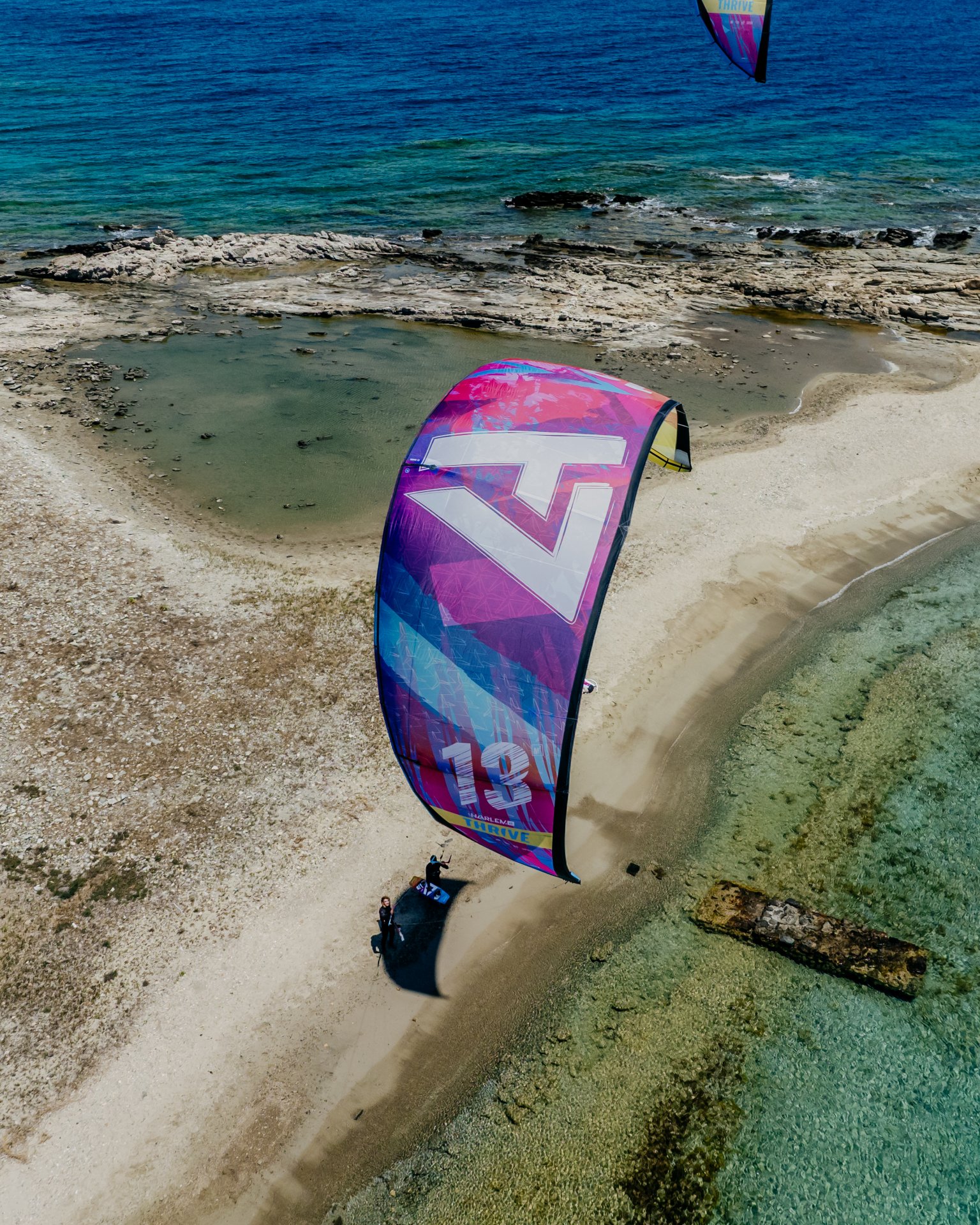
These days, he’s the founder and CEO of Brainchild Production, a company that has rapidly established itself as one of the most innovative forces in kiteboarding. Working with brands including Harlem, F-ONE and Reedin, Brainchild has already made a significant impact on the sport, with its distinctive digitally printed colourful kites appearing on beaches around the world and, perhaps more importantly, on the podiums of some of the biggest competitions.
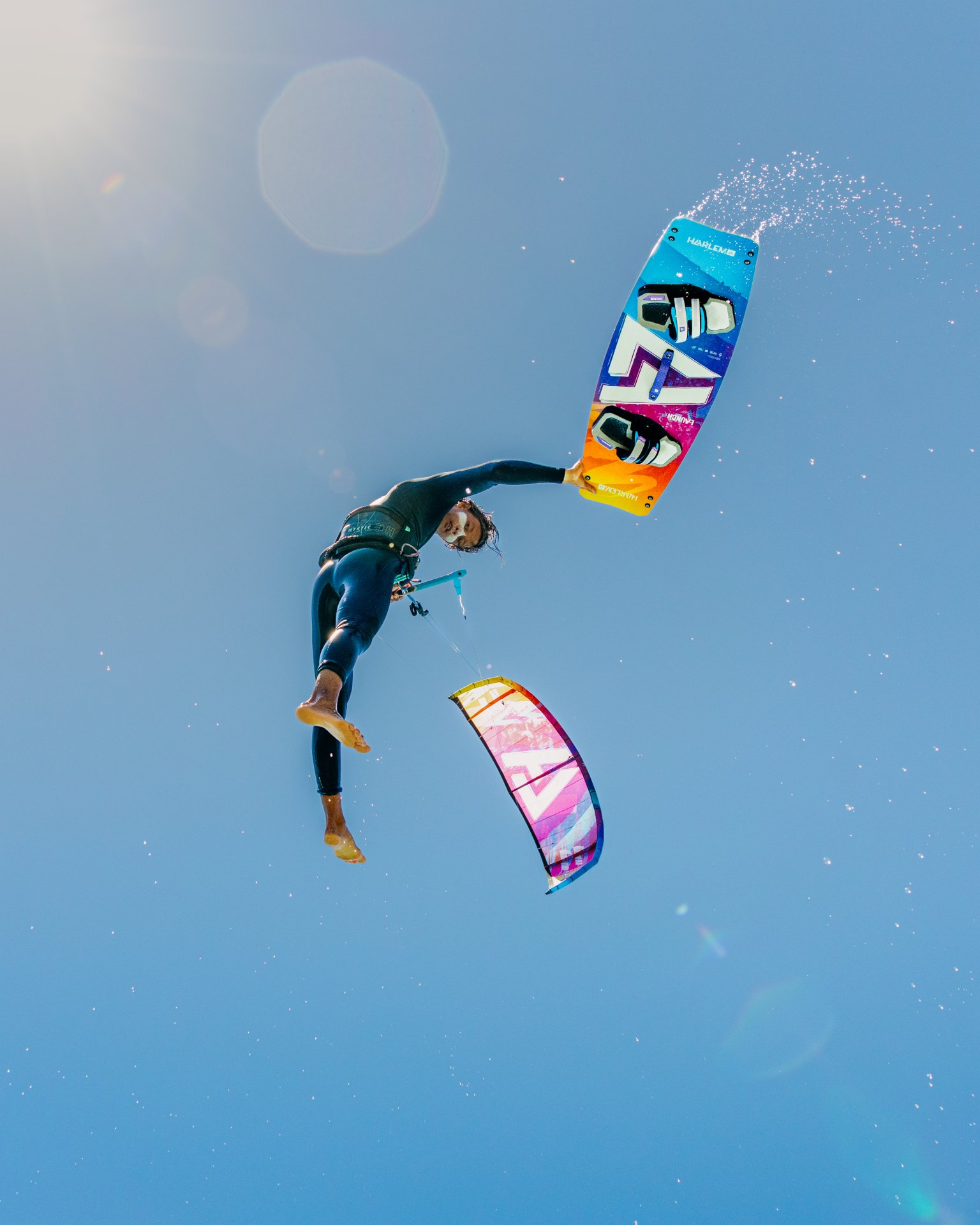
Lewis Crathern recently recorded a staggering 42.6-metre jump on a Brainchild-manufactured kite, setting a new WOO world record, while Maxime Chabloz claimed the freestyle world title riding equipment produced by the company. These are impressive achievements for any manufacturer, let alone one that has only been operating for a relatively short period.
But there’s much more to Brainchild than competition results. When I last visited Ralf in North Macedonia, his ambitious manufacturing project was still taking shape. The laboratory was operational, kites were being produced, and the foundations of a much larger operation were being laid. Now, the new factory is complete, production is running, and Ralf is finally able to concentrate on what he does best: developing the next generation of kiteboarding equipment.
I caught up with him on The Kite Pod to find out how the project has progressed, what technological breakthroughs are coming next, and where he thinks the kiteboarding industry is heading. As ever, he didn’t hold back.
Building the Future
“It was nuts. Absolutely nuts.”
“We do have the most modern production facility the world has ever seen in our field.”
That’s Ralf’s assessment of the process of getting Brainchild’s new manufacturing facility operational. Considering his extensive experience establishing manufacturing operations all over the world, that’s quite a statement.
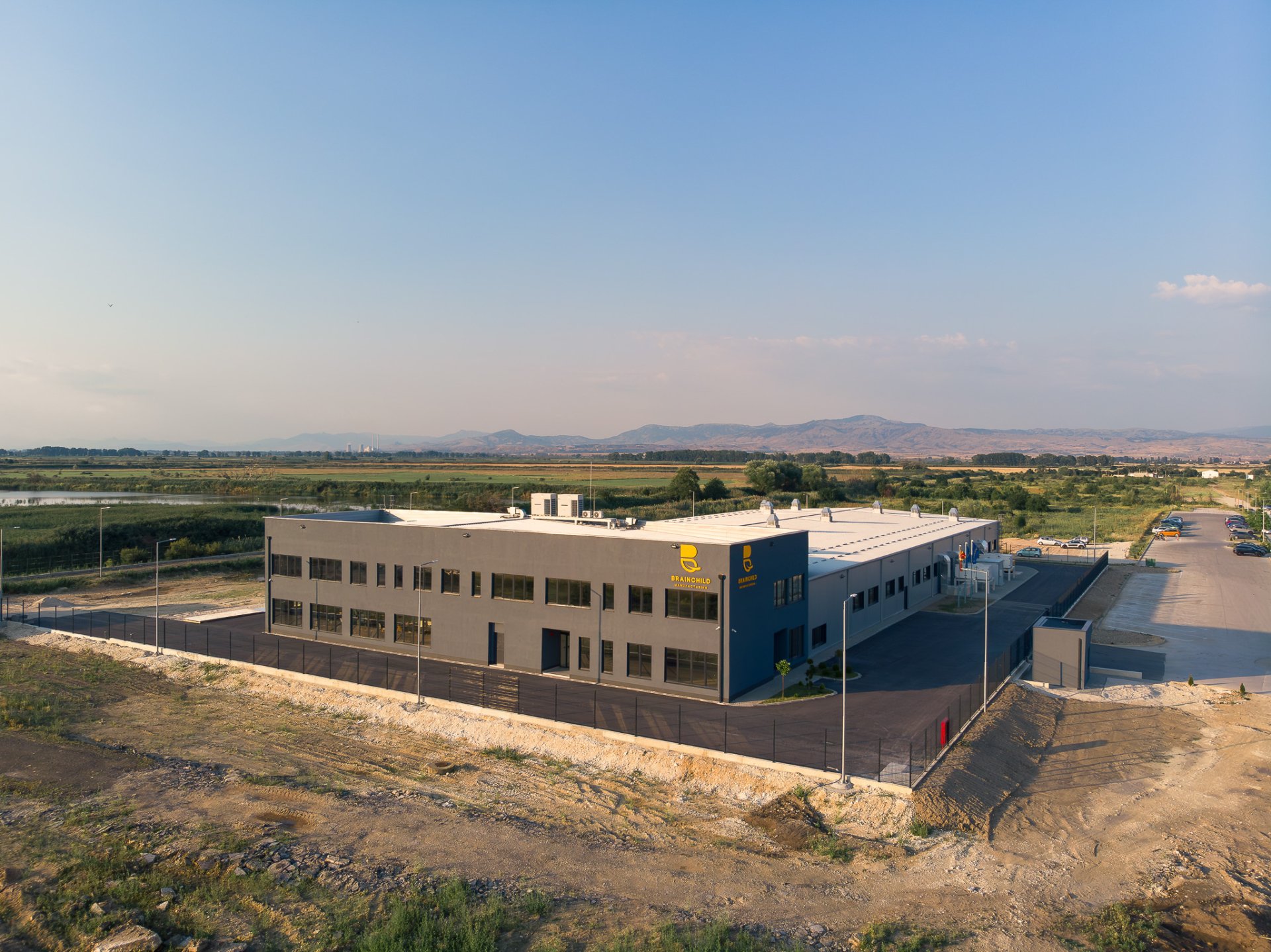
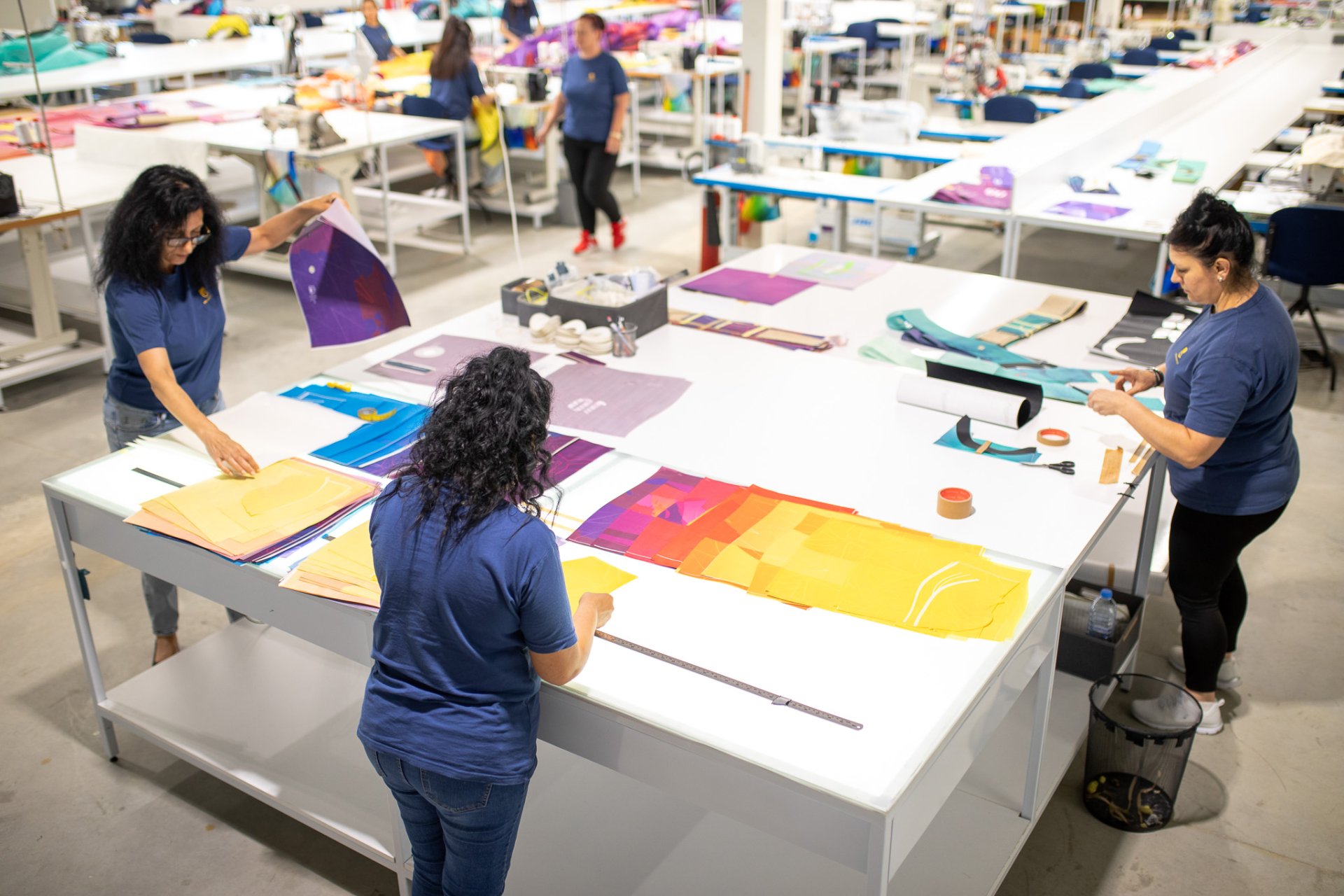
Throughout his career, Ralf has been involved in creating the infrastructure required to manufacture kiteboarding equipment on a commercial scale. However, even with that experience, building both an advanced research laboratory and a full-scale production facility in North Macedonia presented an extraordinary challenge. At one point, the original 1,500-square-metre laboratory was accommodating 220 people as the company worked to meet demand while simultaneously constructing its new facility.
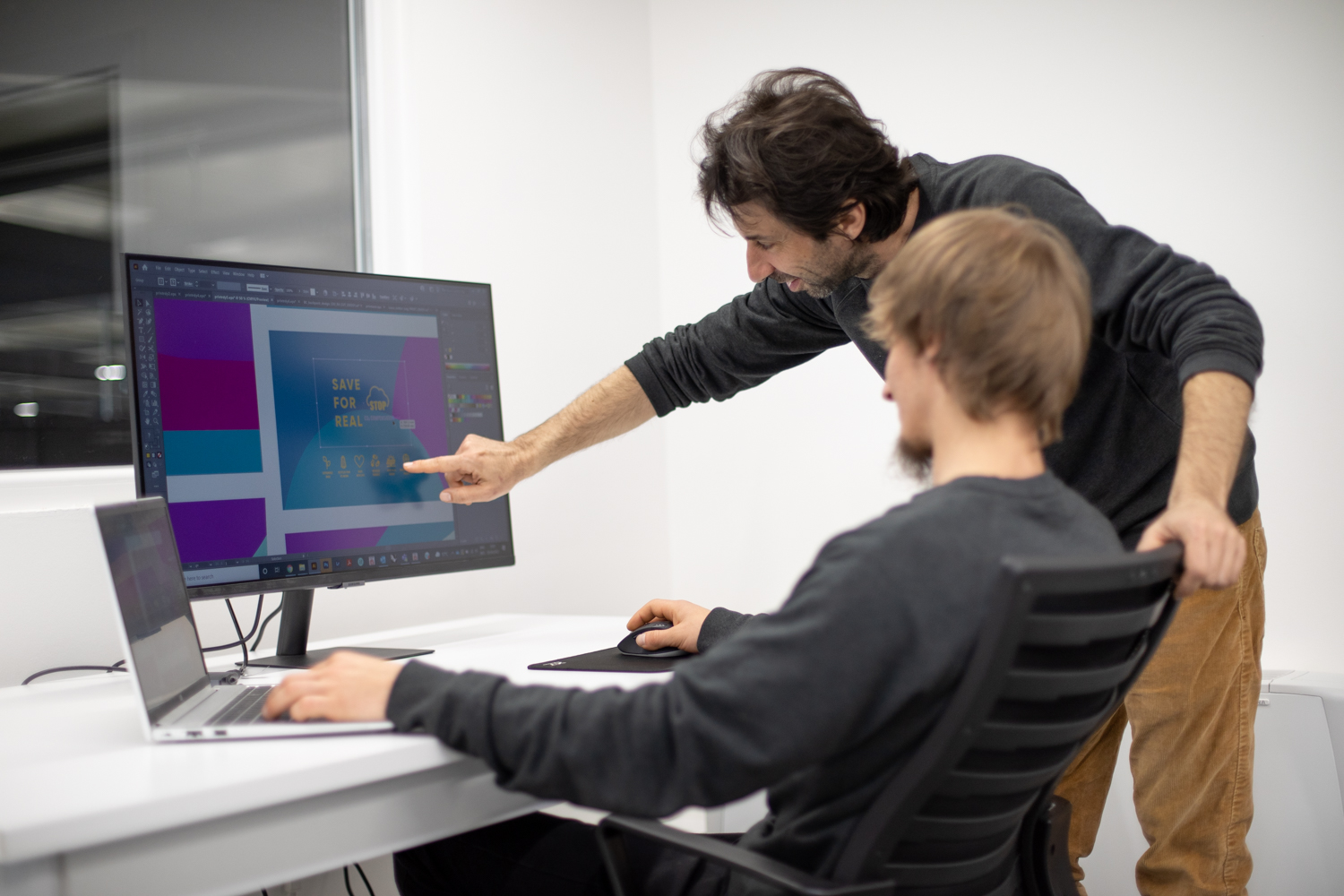
The pressure was enormous, and for Ralf, that meant sacrificing much of the time he would ordinarily spend developing new products and experimenting with materials. “The lab must be the hub of innovation,” he explains. “And I’m super happy that I can actually focus on the things which I believe I can do best, which is design and innovation.”
“The design idea is 1%, maximum 1%, and then it’s 99% of dedication to fulfil that idea.”
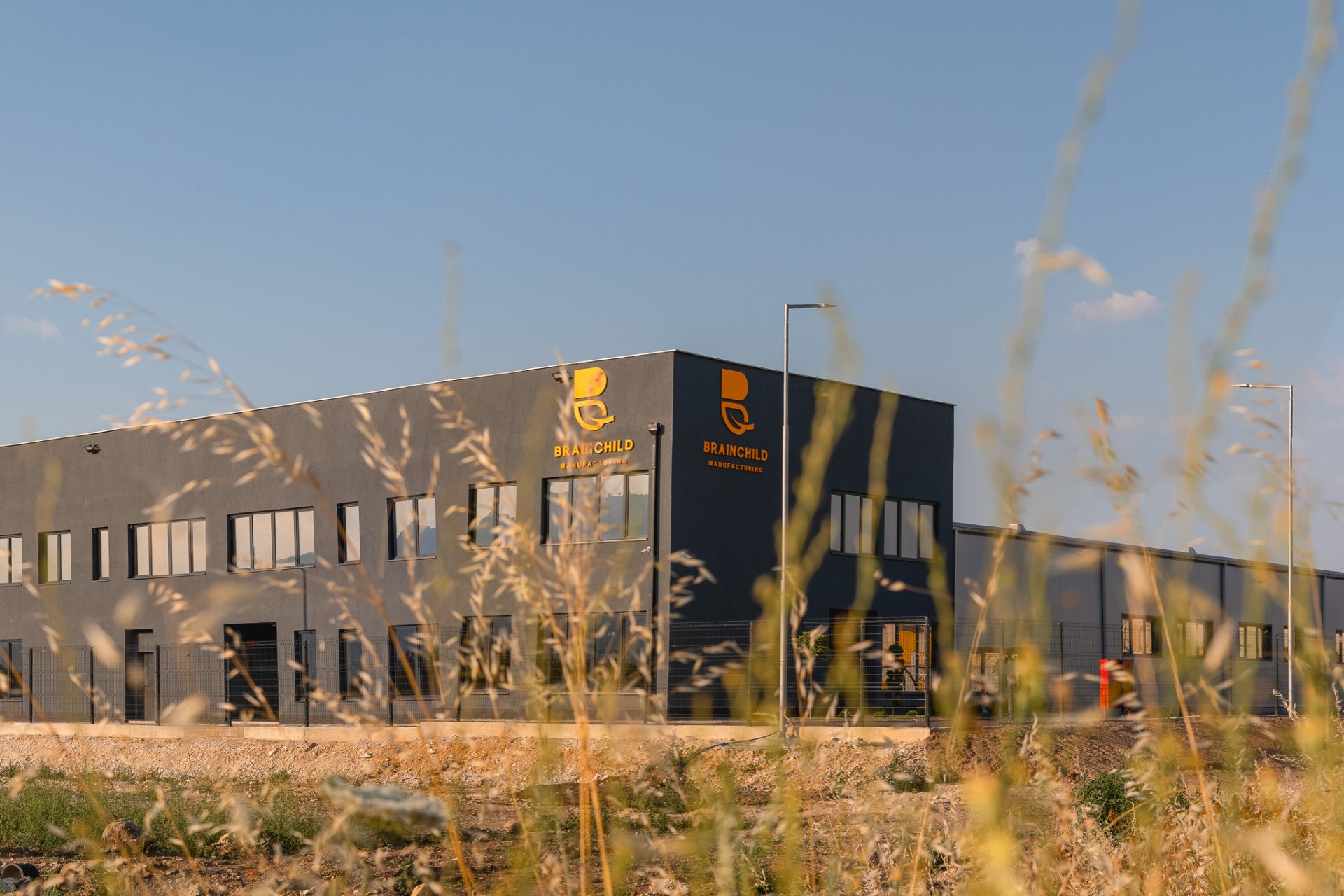
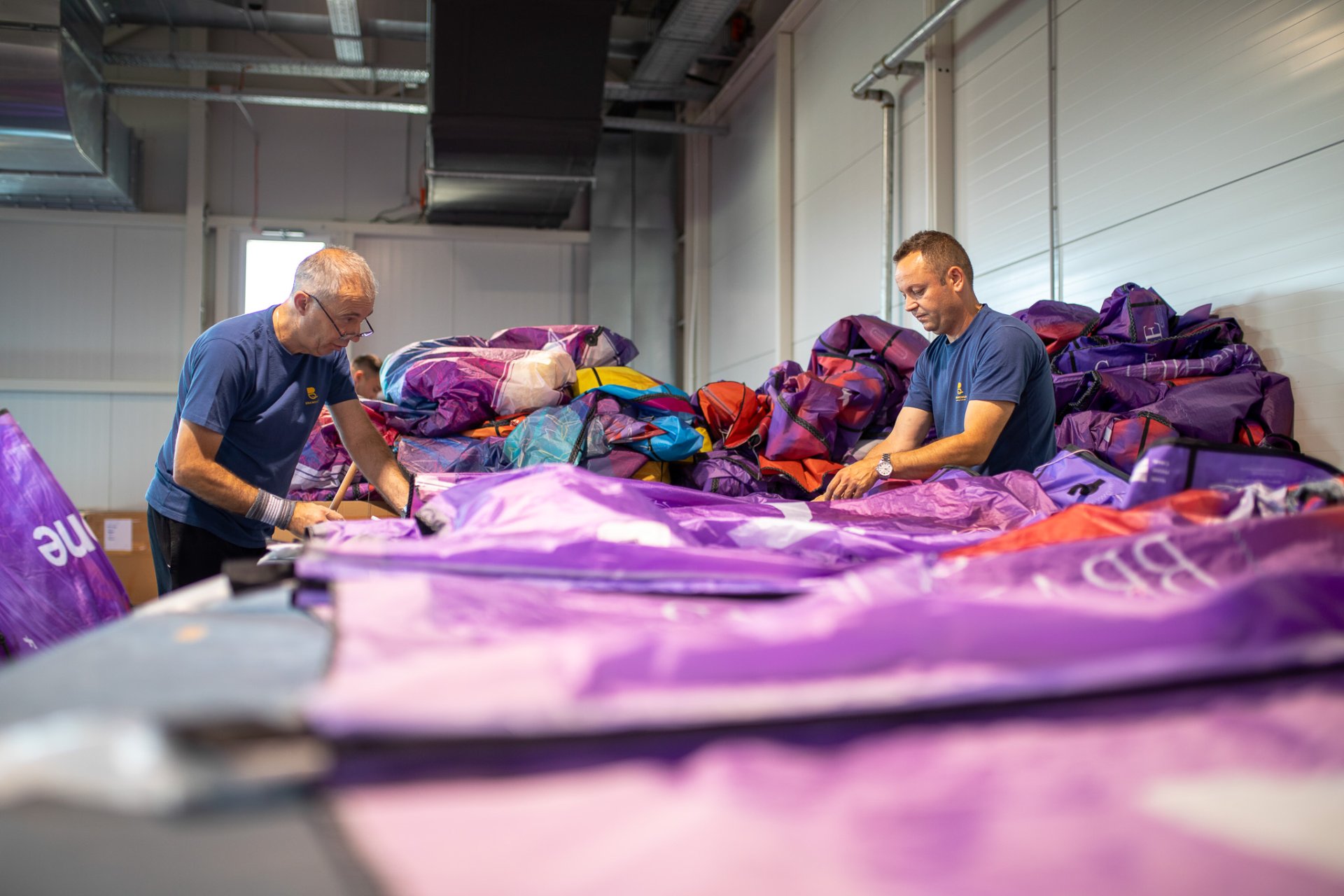
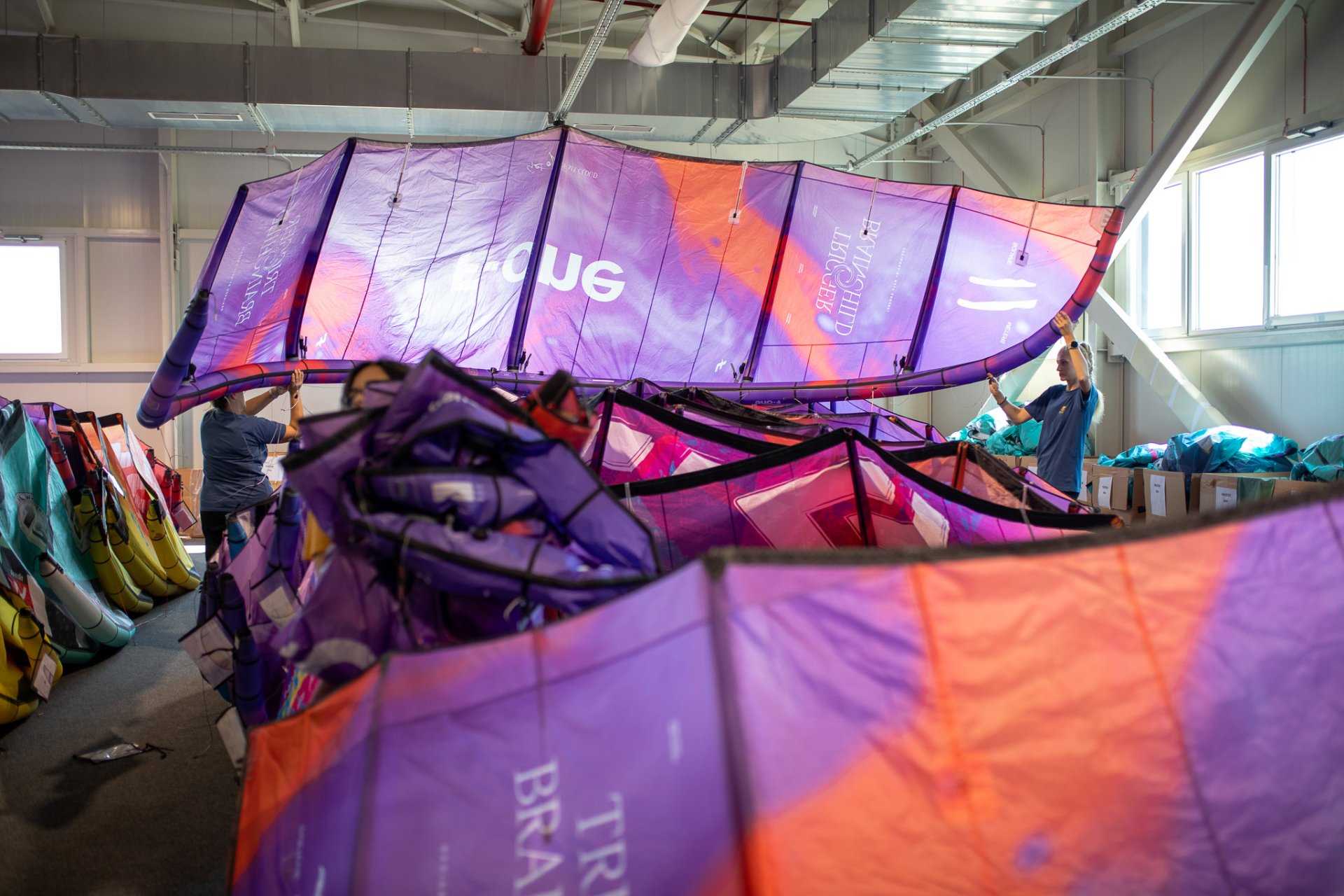
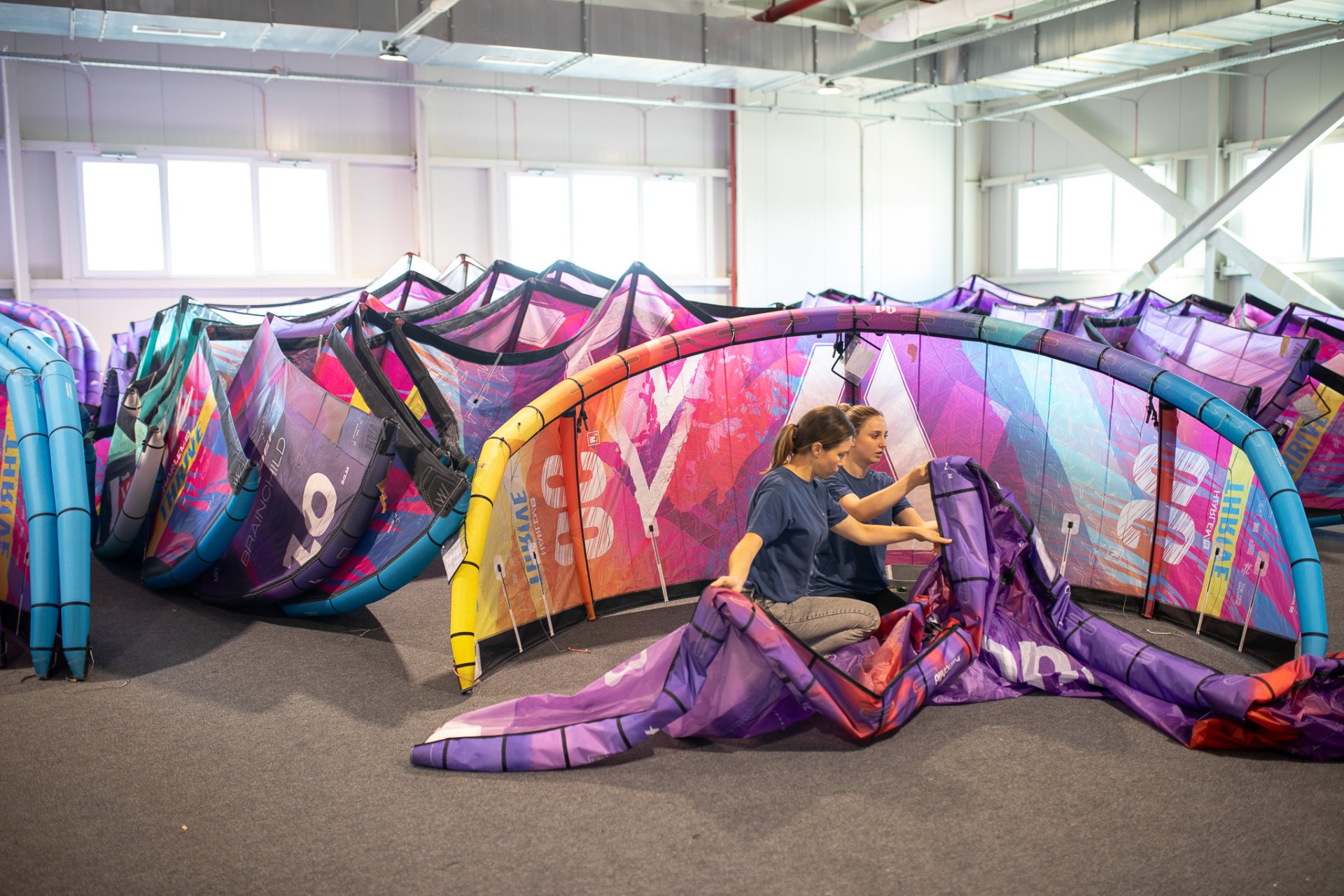
The new manufacturing facility has changed everything. Built from the ground up, the 3,500-square-metre factory was completed in just eleven months, including the planning and administrative processes. It’s an impressive achievement, particularly considering the scale of the operation.
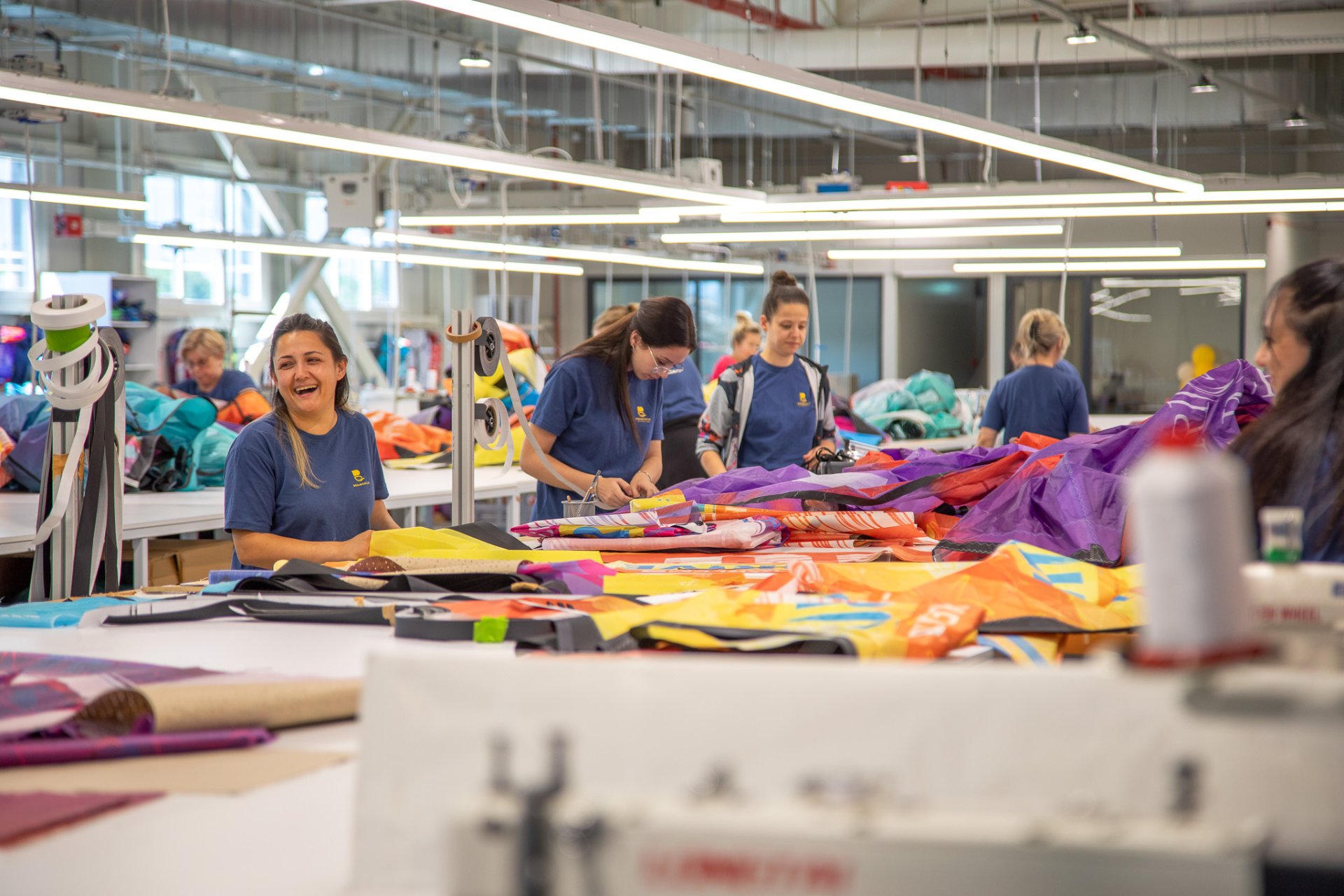
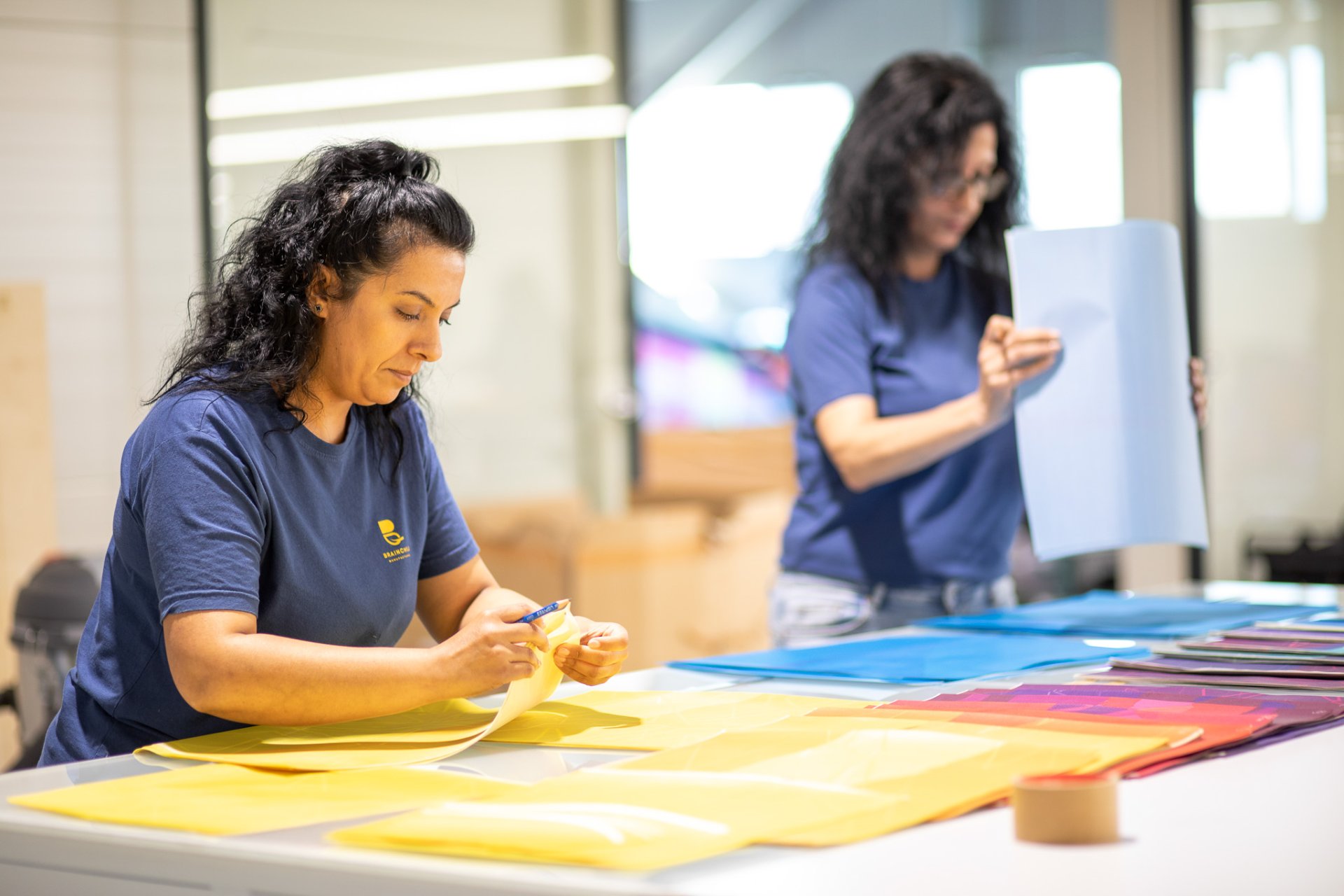
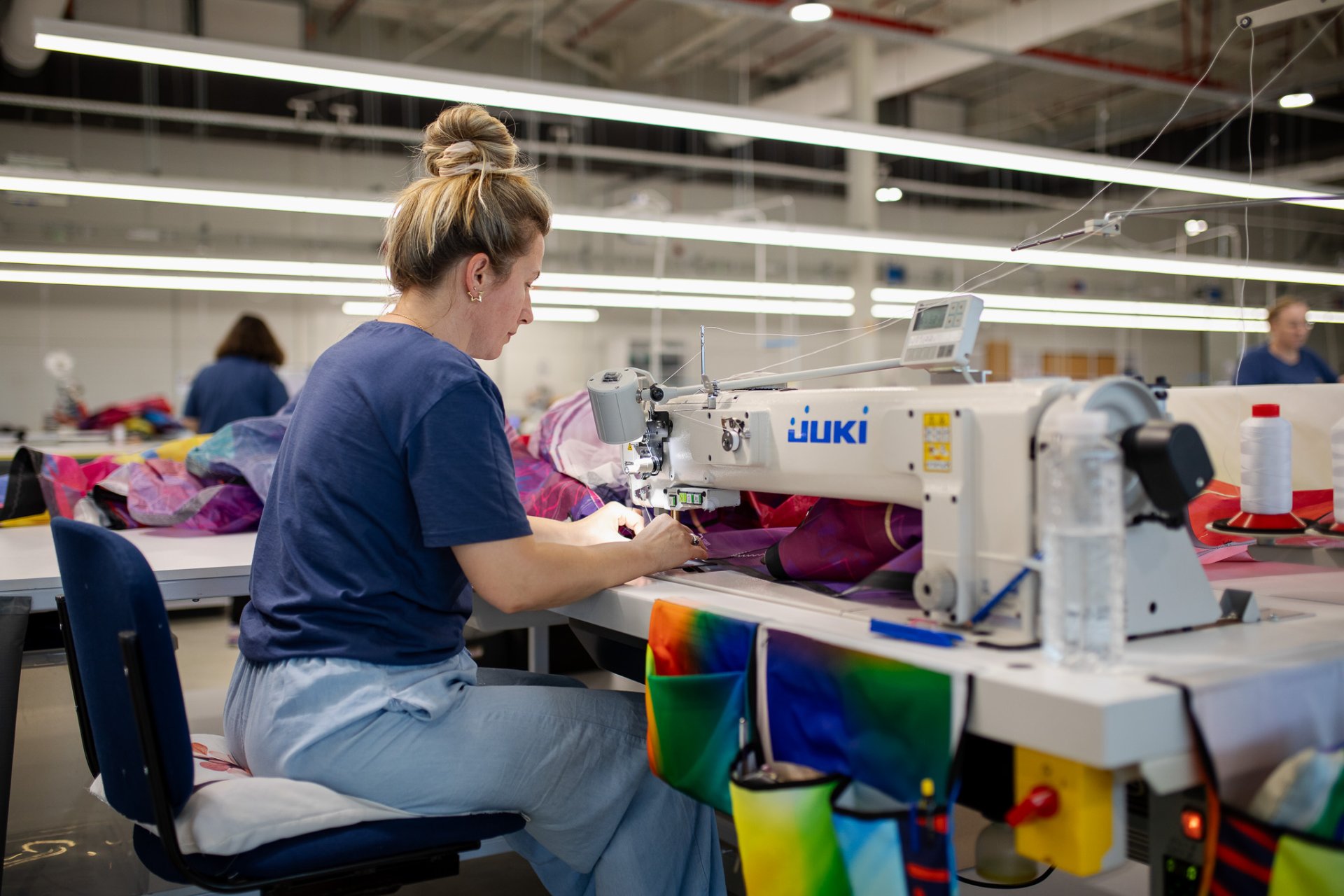
Brainchild currently employs approximately 210 to 220 people, with Ralf and his wife Isabel the only foreigners working within the organisation. Much of the management team comes from the automotive industry, bringing experience in large-scale manufacturing, production efficiency and quality control. This has allowed Ralf to create two distinct operations with very different purposes.
The factory is designed for efficient, consistent production, while the laboratory remains a dedicated environment for experimentation, development and innovation. It’s a separation he considers essential to the company’s future, and with the pressure of establishing the manufacturing infrastructure finally behind him, Ralf is already making up for lost time.
A Different Approach to Manufacturing
One of the most interesting aspects of Brainchild has always been its approach to manufacturing. Rather than following the established model of producing kiteboarding equipment in Asia, Ralf chose to build his operation in Europe. That decision brought considerable challenges, not least the need to establish an entirely new supply chain, but it also created opportunities.
Brainchild has worked extensively to develop relationships with local suppliers, with components such as moulds and injection-moulded parts now being sourced from businesses within approximately 25 kilometres of the factory. For Ralf, having these capabilities close at hand is about much more than simply reducing transport distances. It’s about control, flexibility and the ability to innovate.
By bringing material development, manufacturing technology and product design closer together, Brainchild can experiment with new concepts and move them towards production without relying entirely on established overseas supply chains. Of course, manufacturing in Europe comes at a cost, and Ralf readily acknowledges that producing equipment in North Macedonia is considerably more expensive than manufacturing in places such as Sri Lanka.
“We always try not to find a shortcut, we try to find the smartest way.”
However, he believes the benefits of having greater control over the entire development process can outweigh those additional costs. “We always try not to find a shortcut, we try to find the smartest way.”
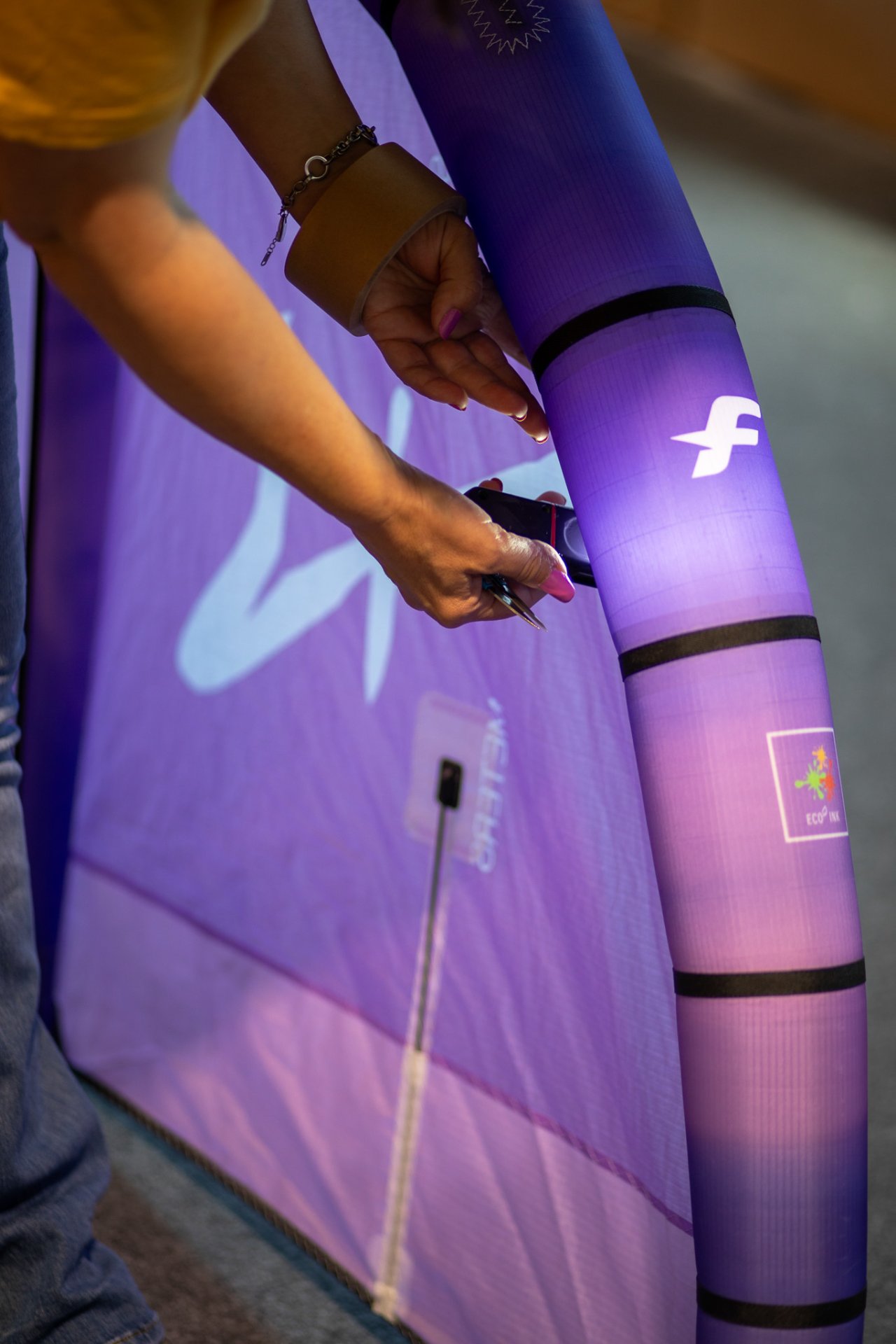
Environmental responsibility is another important part of the operation. From the outset, Brainchild has sought to rethink established manufacturing processes, with digital printing, local sourcing and more efficient production methods forming part of that approach. There is also a strong emphasis on creating skilled employment and building a positive working environment.
However, Ralf is careful not to suggest that European manufacturing automatically makes every product better or that consumers should feel obliged to pay more simply because something has been produced differently. Ultimately, he believes the product must justify its price, and that brings us to one of the biggest challenges facing the industry.
“The market of the future will definitely not look like the market from the past.”
The Price War
It’s no secret that the kiteboarding industry has experienced a difficult few years. The extraordinary growth during the pandemic encouraged brands to increase production, only for demand to fall as the world returned to normal and the cost of living began to rise.
The resulting overstocking problem has been discussed extensively, but Ralf believes the situation has evolved. He doesn’t think excessive inventories of finished products are necessarily the biggest concern heading into 2027. Instead, he’s worried about the pressure on manufacturers to maintain production volumes and the increasingly aggressive pricing strategies appearing across the market.
Some products, he claims, are being sold at retail prices below what Brainchild would pay simply to purchase the raw materials required to manufacture them. While he understands why companies might adopt these strategies, particularly when trying to maintain turnover or clear existing stock, he believes the consequences could be significant.
“I’m ultra competitive. I’m working with the most competitive people in the world.”
“It is very destructive for the market.”
The problem is that manufacturers operating with higher production costs simply cannot compete at those prices. Brainchild’s response is to concentrate on creating products that offer something different, with better materials, improved performance, greater ease of use and manufacturing techniques that aren’t readily available elsewhere.
But Ralf is realistic about the challenges. He also believes the traditional structure of the kiteboarding market is changing, with smaller independent retailers increasingly under pressure and larger businesses gaining influence. Direct-to-consumer brands such as Gong have already demonstrated how significantly alternative business models can reshape established markets, particularly in France.
“The feeling that things are effortless.”
With consumer spending power under pressure across much of Europe, Ralf expects further changes. “The market of the future will definitely not look like the market from the past.”
It’s a sobering assessment, particularly from somebody who has spent so long working within the industry, but he’s not suggesting that the future is necessarily bleak. Instead, he believes companies will have to become smarter, more adaptable and more efficient if they want to survive.
Performance That Makes a Difference
While the business side of kiteboarding presents plenty of challenges, the competitive side of the sport is providing Brainchild with considerable success. The company’s equipment has become a familiar sight at the highest levels of big air and freestyle competition.
“It’s a big milestone, the next big milestone after ProWeld for us.”
Working closely with athletes such as Aaron Hadlow and the Casati brothers gives Ralf access to some of the most demanding riders in the world, and he loves it. “I’m ultra competitive. I’m working with the most competitive people in the world.”
That competitive environment is an essential part of his development philosophy. By pushing equipment to its limits with elite athletes, Ralf believes the lessons learned can be transferred directly into products designed for everyday riders. The objective isn’t simply to produce kites that jump higher or turn faster, but to make performance more accessible.
Having ridden plenty of Ralf’s designs over the years, this is something I’ve always noticed. His kites tend to deliver their performance without demanding an enormous amount of adjustment from the rider. You don’t necessarily need several sessions to work out the timing or understand how to extract the best from them. They simply feel intuitive, and that’s exactly what he’s trying to achieve.
“We have saved so much weight that you cannot save much weight anymore.”
“The feeling that things are effortless.”
Ralf points to the Duotone Evo D/LAB as an example of this philosophy. While its performance capabilities were undoubtedly impressive, he believes much of its success came from the sensation it delivered to ordinary riders. Effortless upwind performance, accessible jumping ability and a feeling of control made the entire experience more enjoyable.
It’s a philosophy he continues to apply across the products he develops today, and importantly, it extends beyond kites. Working with Harlem has allowed Ralf to become involved in the development of boards, bars, footpads and other components, creating opportunities to refine the way the entire equipment package works together.
“I can tell you for sure that records will fall.”
The Harlem boards are manufactured in Poland, with design and development responsibilities shared between Ralf and Aaron Hadlow. For Ralf, the ultimate objective is to create equipment that feels special, because while competition results might attract attention, it’s the sensation of riding that keeps people coming back.
The Next Big Breakthrough
Perhaps the most exciting part of our conversation concerned the technologies Brainchild is currently developing. When the company first appeared, its ProWeld construction technology and digitally printed canopies immediately distinguished its products from much of the competition.
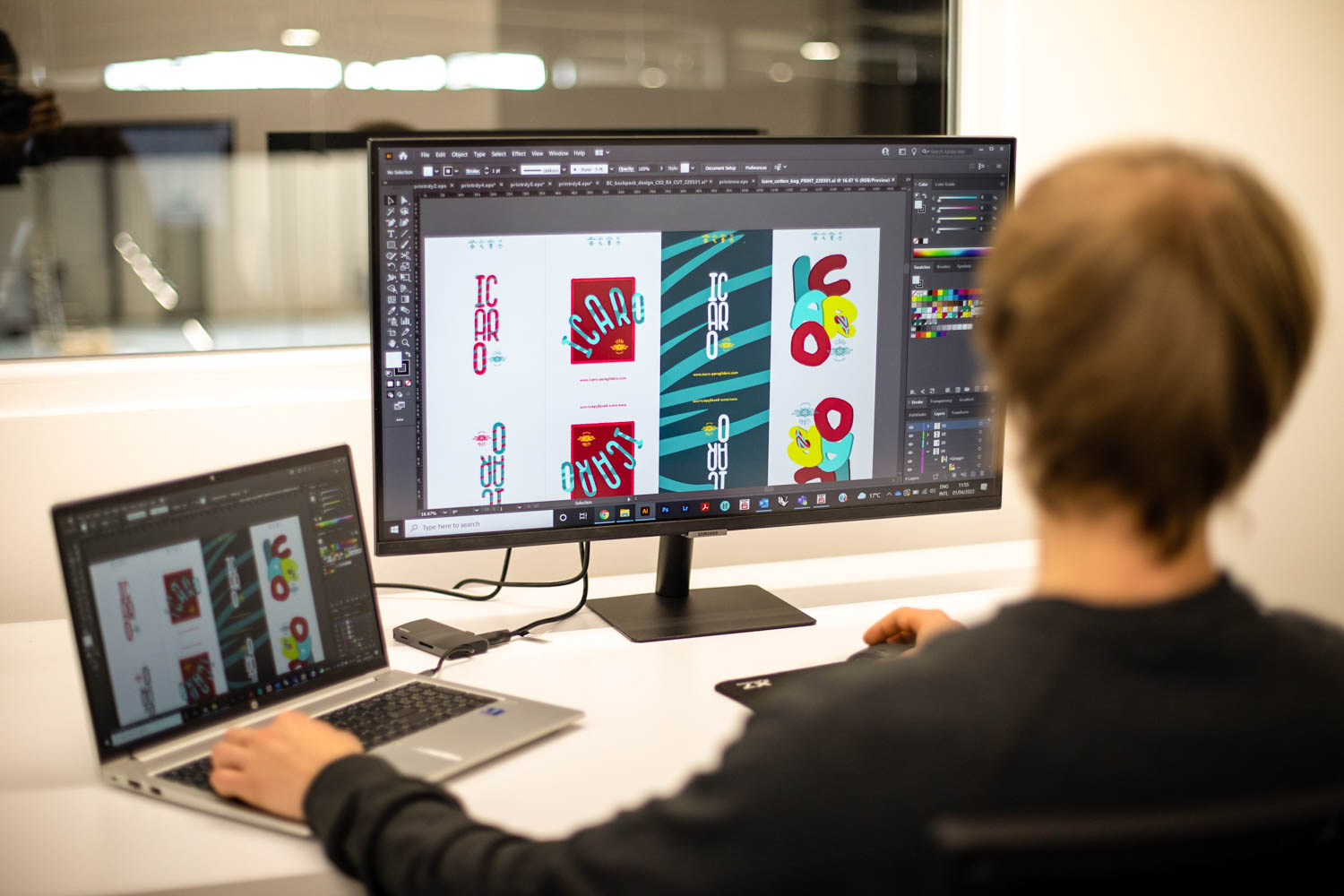
The ability to manufacture inflatable structures using alternative joining techniques opened up new possibilities for construction, stiffness and weight. Meanwhile, digital printing allowed brands to create striking graphics without relying on traditional combinations of pre-coloured fabrics.
“My joy is more to see that it all works out than actually enjoying me being on the water.”
But Ralf is adamant that these technologies are only the beginning. With the new factory operational and the laboratory once again dedicated to research, Brainchild is investing heavily in the next generation of materials and manufacturing processes. While he was understandably reluctant to reveal too much, he made it clear that something significant is coming.
“It’s a big milestone, the next big milestone after ProWeld for us.”
The development work involves exploring different materials and combinations of manufacturing techniques, including welding, bonding and taping. Interestingly, Ralf believes that material development alone represents only part of the challenge. The manufacturing technology required to turn those materials into reliable, commercially viable products is equally important.
“The lab must be the hub of innovation. It is the hub of innovation.”
After all, creating a revolutionary prototype is one thing, but producing thousands of identical products to the same standard is something entirely different. That’s where Brainchild believes its investment in manufacturing infrastructure provides a significant advantage.
Ralf also hinted that the next generation of equipment might look noticeably different from what we’re currently accustomed to seeing. But perhaps the most interesting revelation concerned weight.
For years, kite manufacturers have been obsessed with making equipment lighter. New fabrics, lighter bladders, reduced reinforcement and alternative construction methods have all contributed to significant weight savings. However, Ralf believes the industry is approaching a point where simply reducing weight delivers diminishing returns.
“The innovation we are currently creating, which is going to be released next year, I think is spectacular.”
“We have saved so much weight that you cannot save much weight anymore.”
Instead, the next advances will come from changing the aerodynamic characteristics of the equipment. By developing materials with different structural properties, designers can influence the way a kite interacts with the air, and according to Ralf, the results are fascinating.
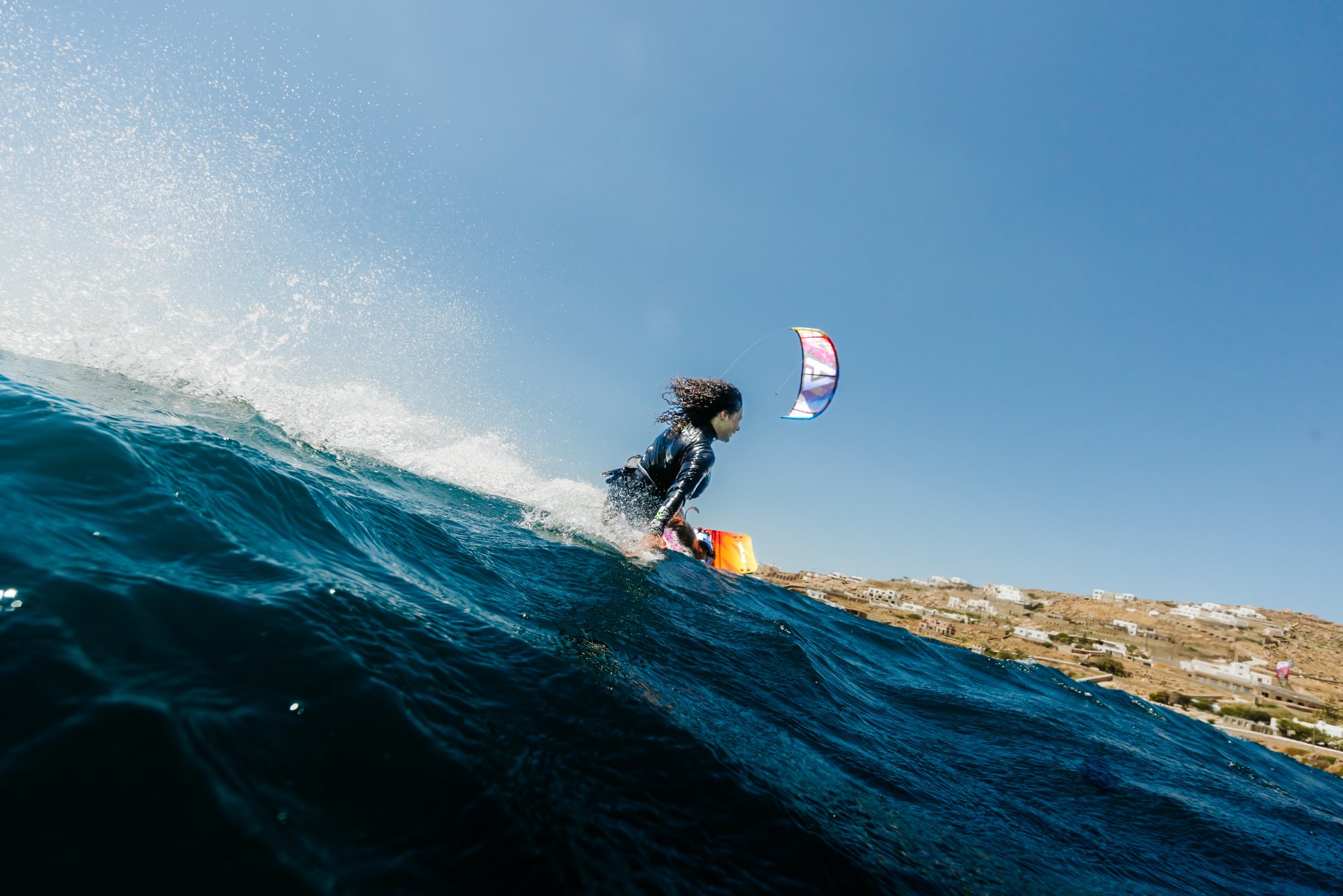
He describes the new materials as allowing kites to penetrate through the air differently, creating flight characteristics that weren’t previously possible. It’s a significant shift in thinking. Rather than simply making existing designs lighter or stiffer, Brainchild is exploring ways to change how the equipment actually flies.
“Only if you have all the components under one roof can you technically decide in which way a product should go.”
Ralf wouldn’t reveal the precise details, understandably, but he was confident about the potential. “I can tell you for sure that records will fall.”
That’s quite a statement from somebody whose equipment is already breaking world records.
Keeping the Secrets
Of course, developing groundbreaking technology brings its own challenges. Brainchild has invested millions of euros into establishing its manufacturing capabilities and researching new materials, and protecting that investment is becoming increasingly important.
“If there is added value and you understand that there is added value, then customers also tend to go for it.”
Ralf believes other manufacturers are already attempting to replicate aspects of Brainchild’s digital printing and ProWeld technologies. However, he also recognises that copying the appearance of a product is very different from reproducing the processes required to manufacture it successfully.
Digital printing, in particular, has proved far more complicated than many people might imagine. Even Brainchild is continuing to refine its processes, improving efficiency, reducing costs and exploring ways to achieve better results. For Ralf, maintaining a technological advantage depends on constantly moving forward.
That creates an interesting dilemma when it comes to working with other brands. With the new factory operational, Brainchild has the capacity to take on additional customers, but Ralf isn’t prepared to work with just anybody.
“The competition itself is not a market, but it’s an image, and it also attracts certain people.”
The concern is that sharing manufacturing knowledge with companies that also produce equipment elsewhere could allow proprietary technologies to spread beyond Brainchild’s control.
He describes the development process as one of constant experimentation. A project might involve creating thirty different materials, only for three of them to prove suitable for commercial production. The knowledge gained from the other twenty-seven is still enormously valuable, and losing control of that knowledge could undermine years of investment.
Trust, therefore, is becoming an increasingly important consideration when choosing manufacturing partners. It’s an interesting position for a company that has grown so rapidly. Brainchild wants to expand, but not at the expense of the technologies that make it different.
“The ease of use is something you can really feel, regardless.”
More Than Just Records
For all the discussion about innovation and competition, Ralf is keen to emphasise something that can occasionally get lost in the relentless pursuit of performance. Kiteboarding is about much more than jumping higher than everybody else.
The recent explosion in big air has undoubtedly created excitement around the sport. WOO records, enormous jumps and increasingly technical tricks have pushed the boundaries of what riders can achieve. But Ralf is conscious that these achievements represent only a tiny percentage of the people who actually go kiteboarding.
He also worries that some riders might push beyond their abilities in pursuit of numbers. For him, the real appeal of kiteboarding has always been much broader, encompassing exploring new places, meeting people, travelling, discovering different cultures and sharing experiences on the water.
“Scaling up an idea is super complicated.”
“It’s definitely lifestyle. So we should never forget this.”
It’s an important distinction. Competition drives development, but the sport itself needs to remain accessible and enjoyable. That’s why ease of use is such a fundamental part of Ralf’s design philosophy.
The same technology that allows a professional rider to land a huge jump with greater control might also make an ordinary session more comfortable for somebody who simply wants to enjoy an afternoon on the water. The benefits aren’t necessarily measured in metres. Sometimes they’re measured in smiles.
“We are still years ahead of everybody else when it comes to technology.”
The Price of Progress
After spending so much of our conversation discussing equipment development, I was curious about something a little more personal. Does Ralf still love kiteboarding as much as he did when he first started?
His answer was characteristically honest. The initial excitement of discovering the sport has gradually evolved into something different. These days, he gets more satisfaction from developing equipment and seeing his ideas succeed than from simply going for a session.
When you understand what his typical day on the water looks like, it’s not particularly surprising.
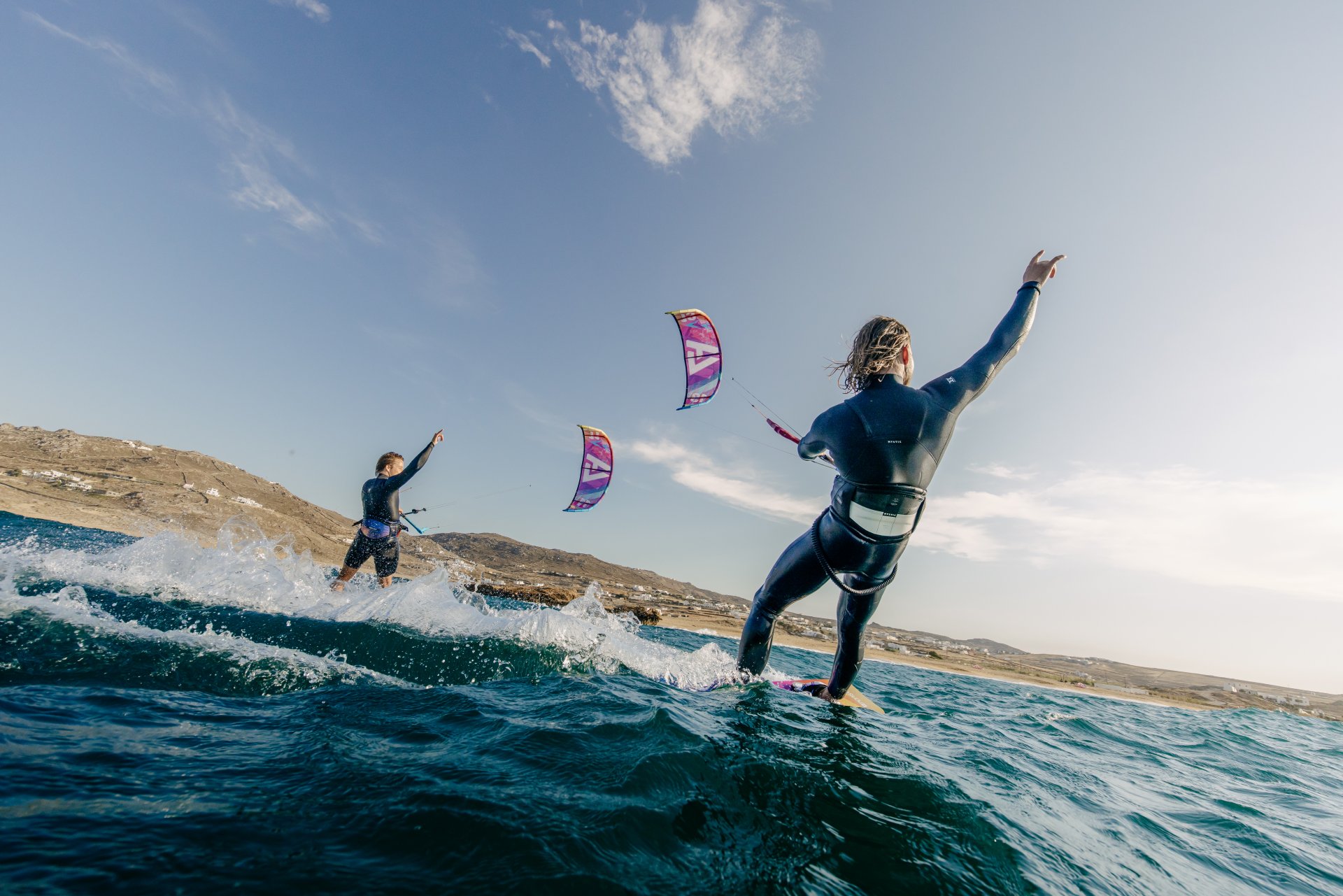
Ralf spends several months each year in South Africa, using the reliable winds around Langebaan to test equipment. But he’s rarely riding a finished product. Instead, he might arrive at the beach with three or four different prototypes from several brands, each requiring careful evaluation.
Different kite designs, different materials, different bar setups and different performance objectives all need to be considered. He has to remember the changes made to each prototype, assess their effects and provide feedback that moves every individual product closer to its intended goal.
With the equipment now performing at such a high level, identifying meaningful improvements is becoming increasingly demanding. Every week, another four or five prototypes arrive for testing, creating a relentless development process.
“I never ride with a serial production kite. Never, ever.”
For somebody who has spent decades developing kiteboarding equipment, the sport has become inseparable from the process of innovation. While he might not experience quite the same excitement he did when he first discovered kitesurfing, the satisfaction of seeing a new product perform exactly as intended has taken its place.
“My joy is more to see that it all works out than actually enjoying me being on the water.”
I can relate to that. After spending so many years working in kiteboarding media, the enjoyment of the sport becomes intertwined with the satisfaction of creating something, whether that’s producing a magazine, testing equipment or having conversations with people who are pushing the industry forward.
And few people are pushing quite as hard as Ralf.
What Comes Next?
With Brainchild’s new factory complete, the laboratory back in full swing and a growing collection of competition victories to its name, the company is entering an interesting new phase.
Ralf finally has the manufacturing infrastructure he’s spent much of his career dreaming about. More importantly, he has the freedom to concentrate on the development work that inspired him to create Brainchild in the first place.
New materials are being tested, alternative manufacturing techniques are being refined, and products are already in development for the coming seasons. Some of those technologies, he believes, will represent another major step forward for the industry.
Whether they’ll be enough to overcome the wider challenges facing kiteboarding remains to be seen. Consumer spending is under pressure, established business models are changing, and manufacturers are competing in an increasingly difficult marketplace.
But Ralf has never been somebody who waits for the industry to decide what happens next. He’d rather build something that changes it.
And after spending an hour talking to him, I get the feeling that the most interesting chapter of the Brainchild story might still be ahead of us.