
Performance Made Easy
Ozone has never been short of performance. Kites like the Vortex have pushed the brand deep into the high-performance and big air arena, combining cutting-edge materials with increasingly refined three-strut designs. With the Reflex, however, the challenge was slightly different. Rather than chasing outright performance at all costs, Ozone wanted to take some of what it had learned from those high-end platforms and make it accessible to almost anyone.
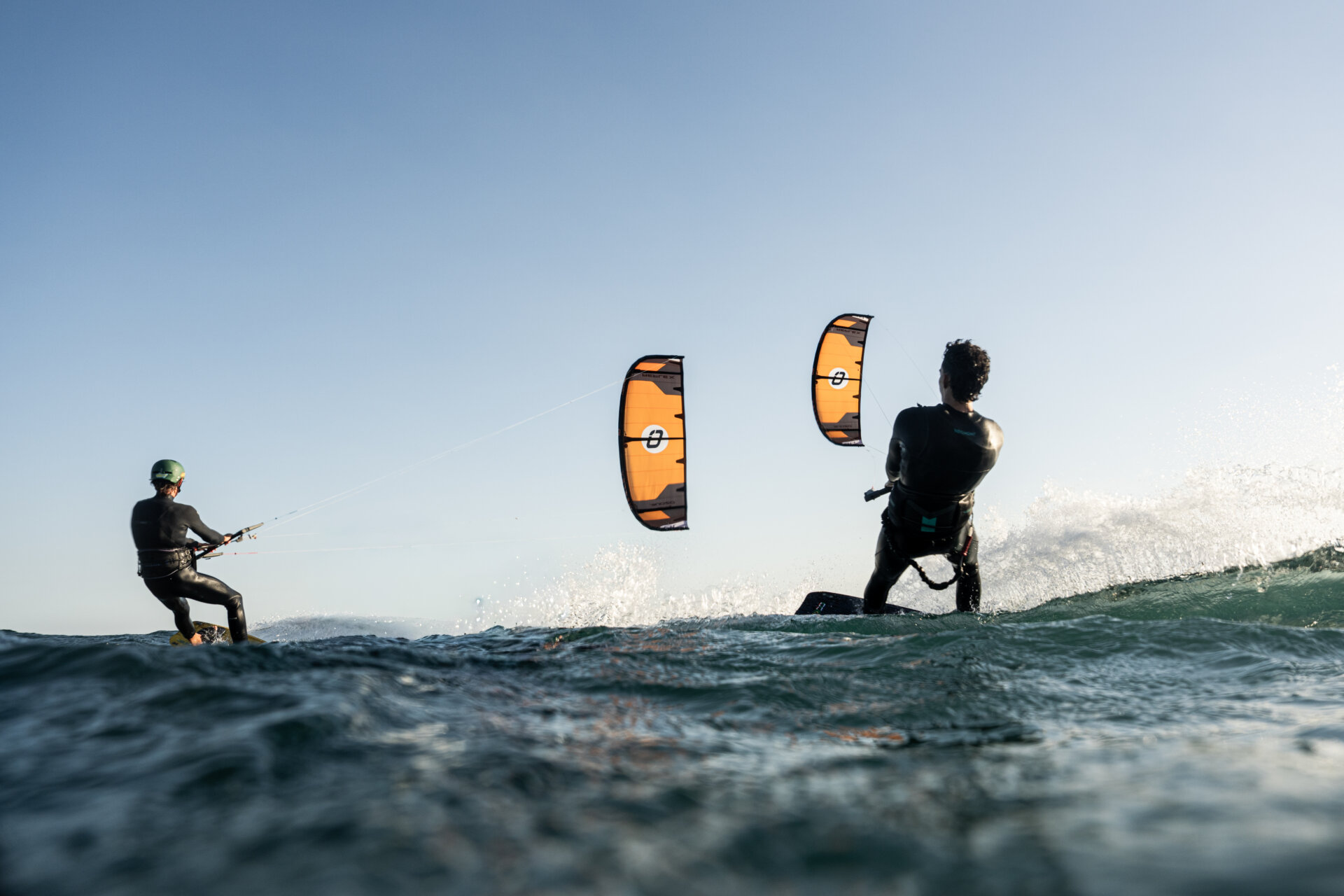
The result is a kite designed around ease of use and versatility. Whether you’re freeriding on a twin tip, learning to jump and loop, heading out on a surfboard, or taking a foil for a cruise, the Reflex has been designed to make the experience as intuitive as possible. Crucially, though, that accessibility hasn’t come at the expense of performance.
Vortex DNA
The Reflex draws heavily on the three-strut shaping developed for the Vortex, but Ozone has adapted that platform to create a considerably more forgiving character.
A slightly lower aspect ratio helps generate accessible low-end power and contributes to the kite’s easy handling, while the airframe and bridle have been tuned to produce a smooth, predictable response. It’s still a quick kite, and there’s plenty of performance available when you start pushing harder, but you shouldn’t need to be an expert rider to access it.
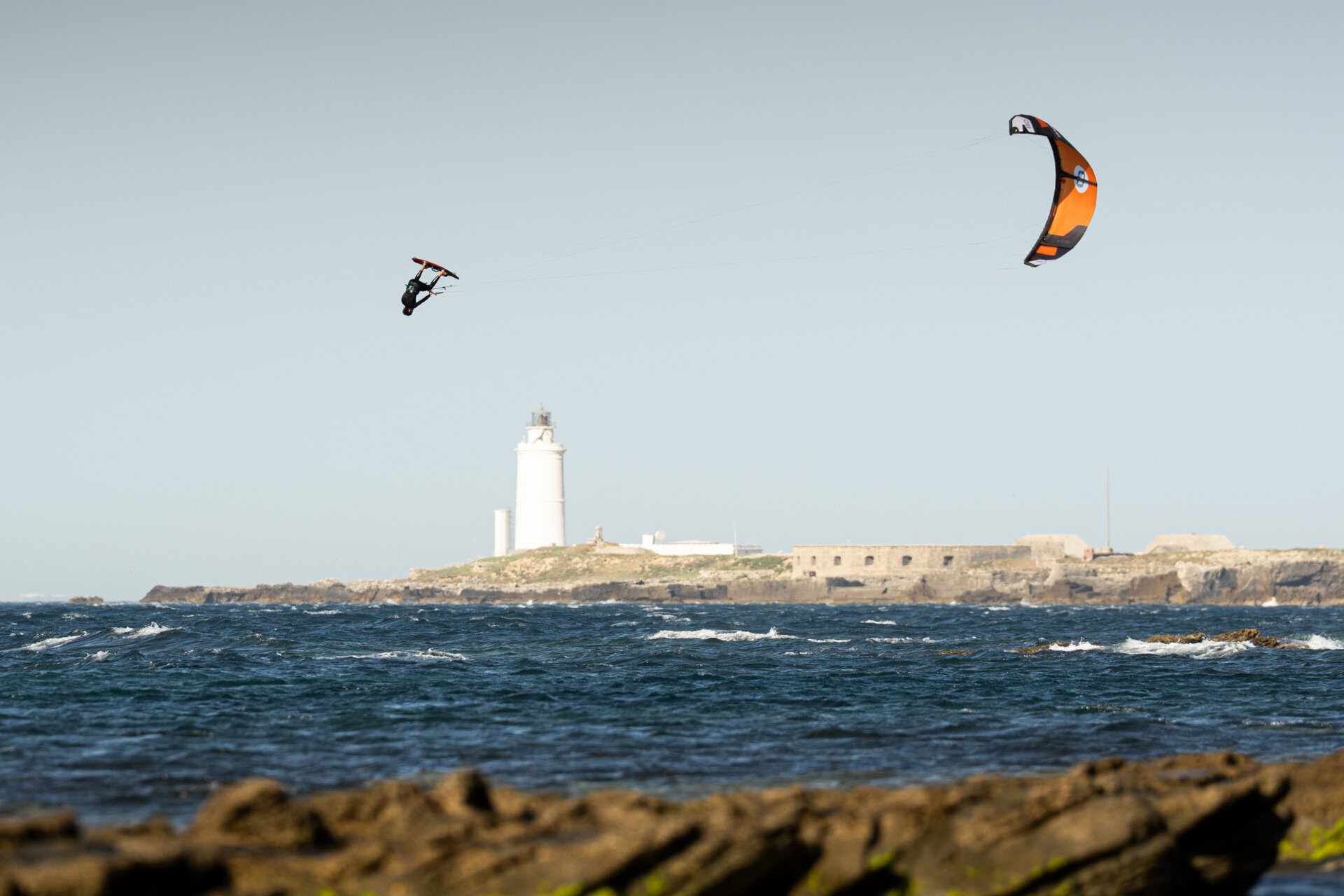
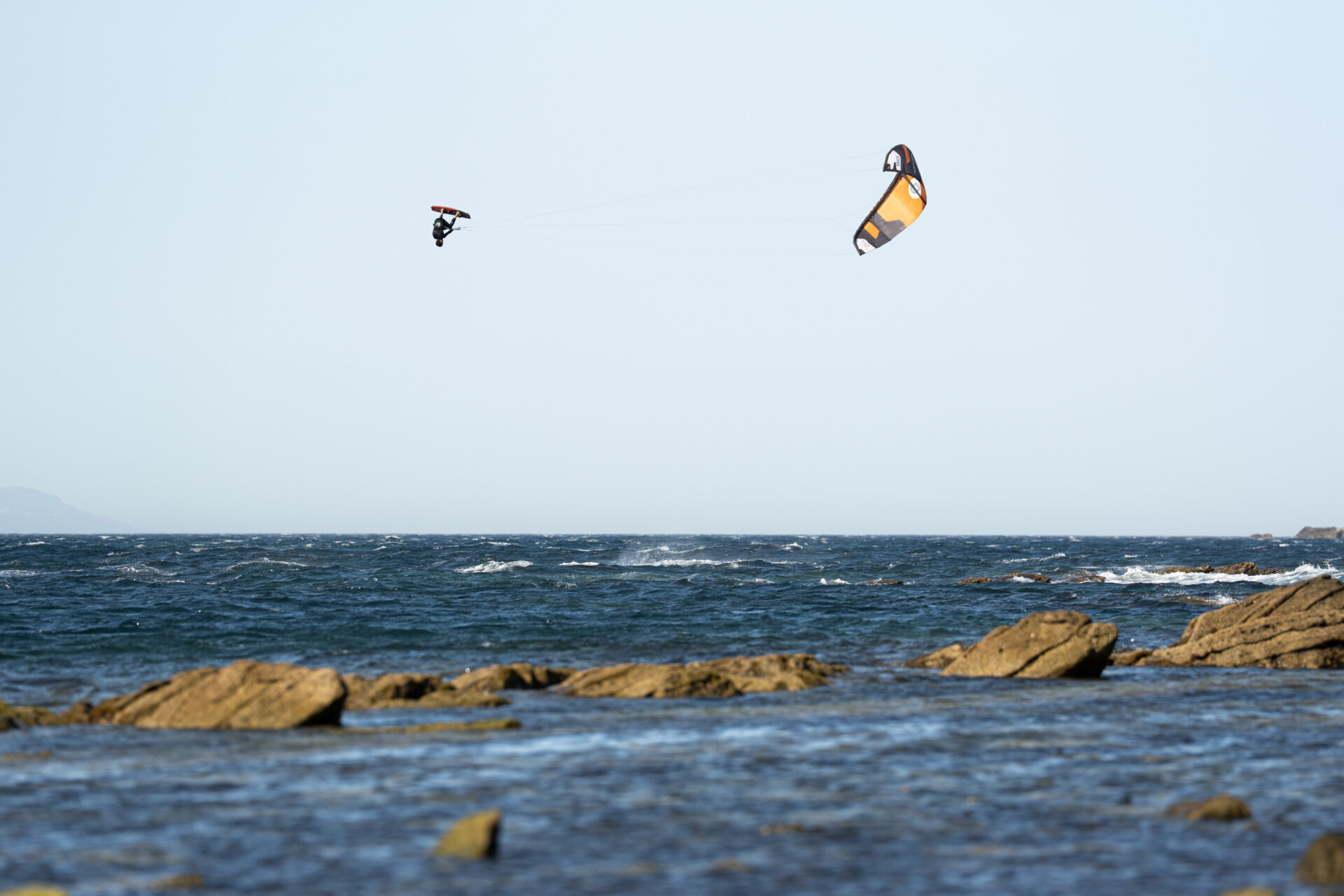
That becomes particularly relevant for riders progressing into jumping and their first kite loops. Rather than building a kite that only really comes alive when ridden aggressively, Ozone has tried to create something that can take a rider through that progression, from straightforward freeriding to considerably more ambitious riding.
Dacron By Design
One of the biggest differences between the Reflex and the Vortex is the airframe. Rather than using the ultra-stiff Aluula construction found on the Vortex, the Reflex features a Teijin Triple Ripstop Dacron airframe.
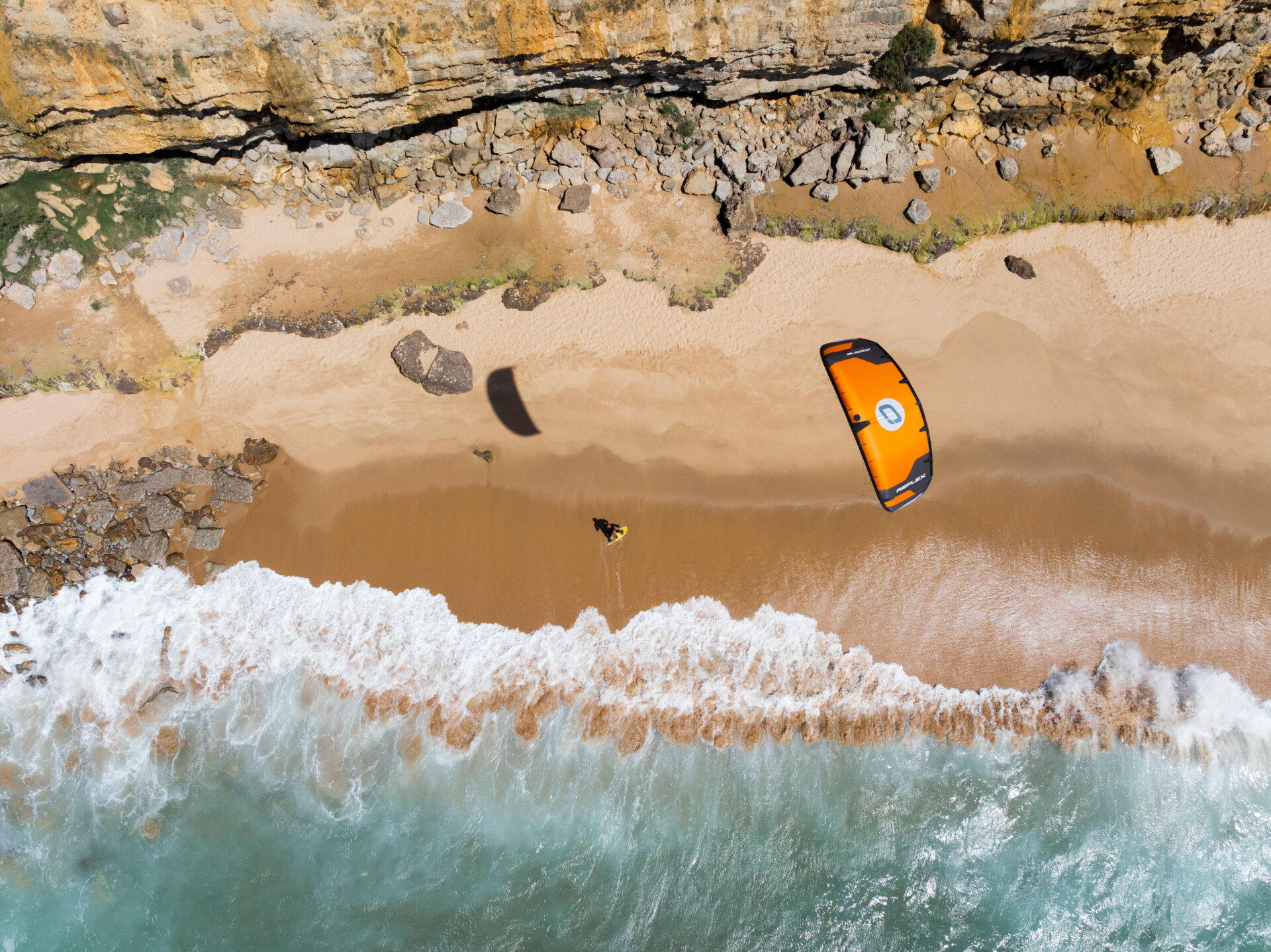
While Dacron brings obvious advantages in terms of proven durability and accessibility, its additional flex also plays an important role in how the kite behaves. Under load, the airframe is able to twist more than an extremely rigid structure, and Ozone has used that characteristic to help the Reflex turn tightly and smoothly.
For riders learning to loop, that can be particularly useful. A tighter turning radius and more manageable power delivery can make the kite feel less intimidating overhead, while experienced riders still have the speed and response required to push considerably harder.
It’s a good example of material choice being about more than simply chasing the lightest or stiffest construction possible. Sometimes a little controlled flex can actually make a kite easier and more enjoyable to fly.
One Kite, Lots Of Options
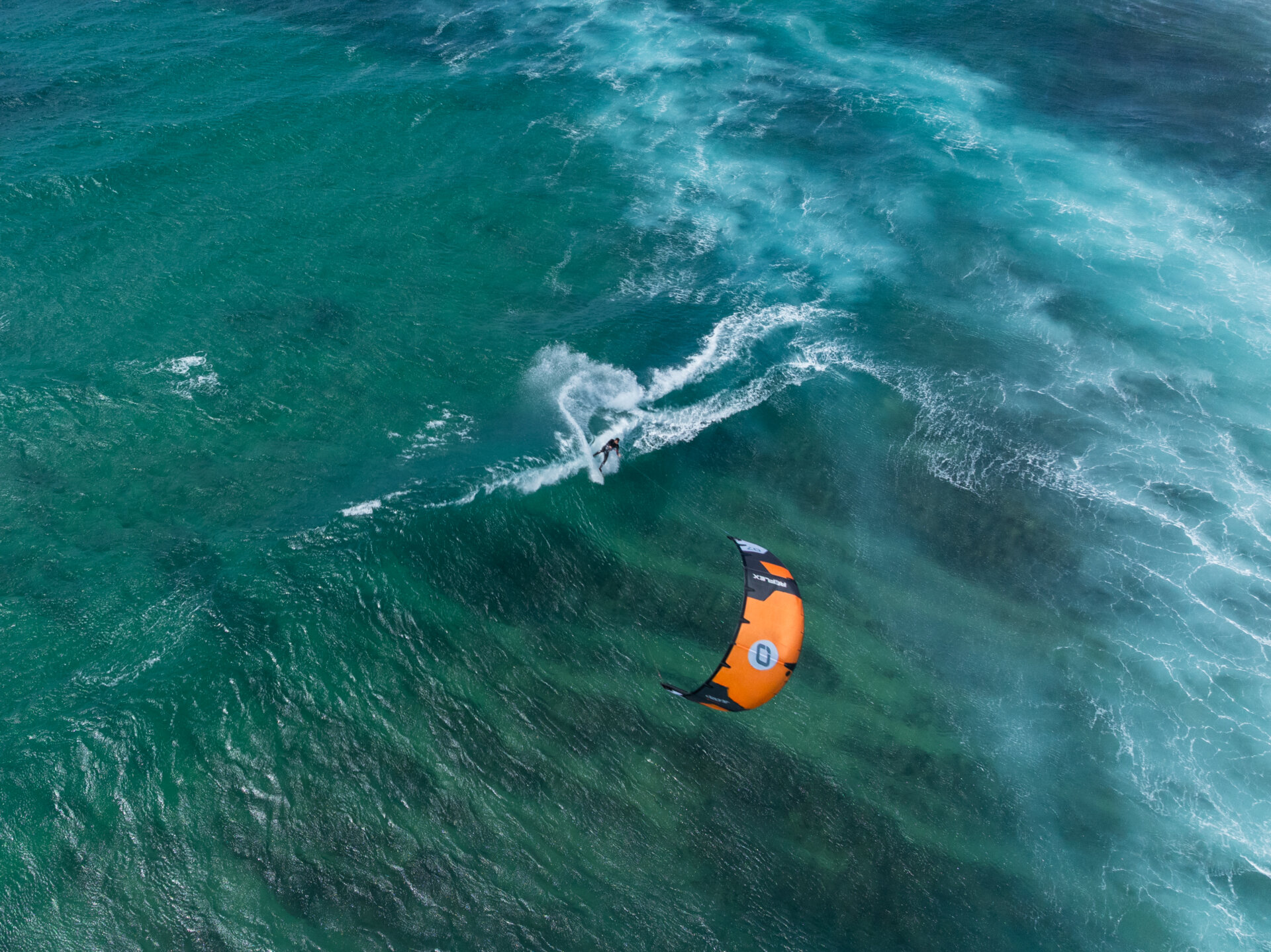
Versatility sits at the heart of the Reflex. Its combination of manageable power, relatively quick turning and predictable handling means it isn’t tied to one particular style of riding.
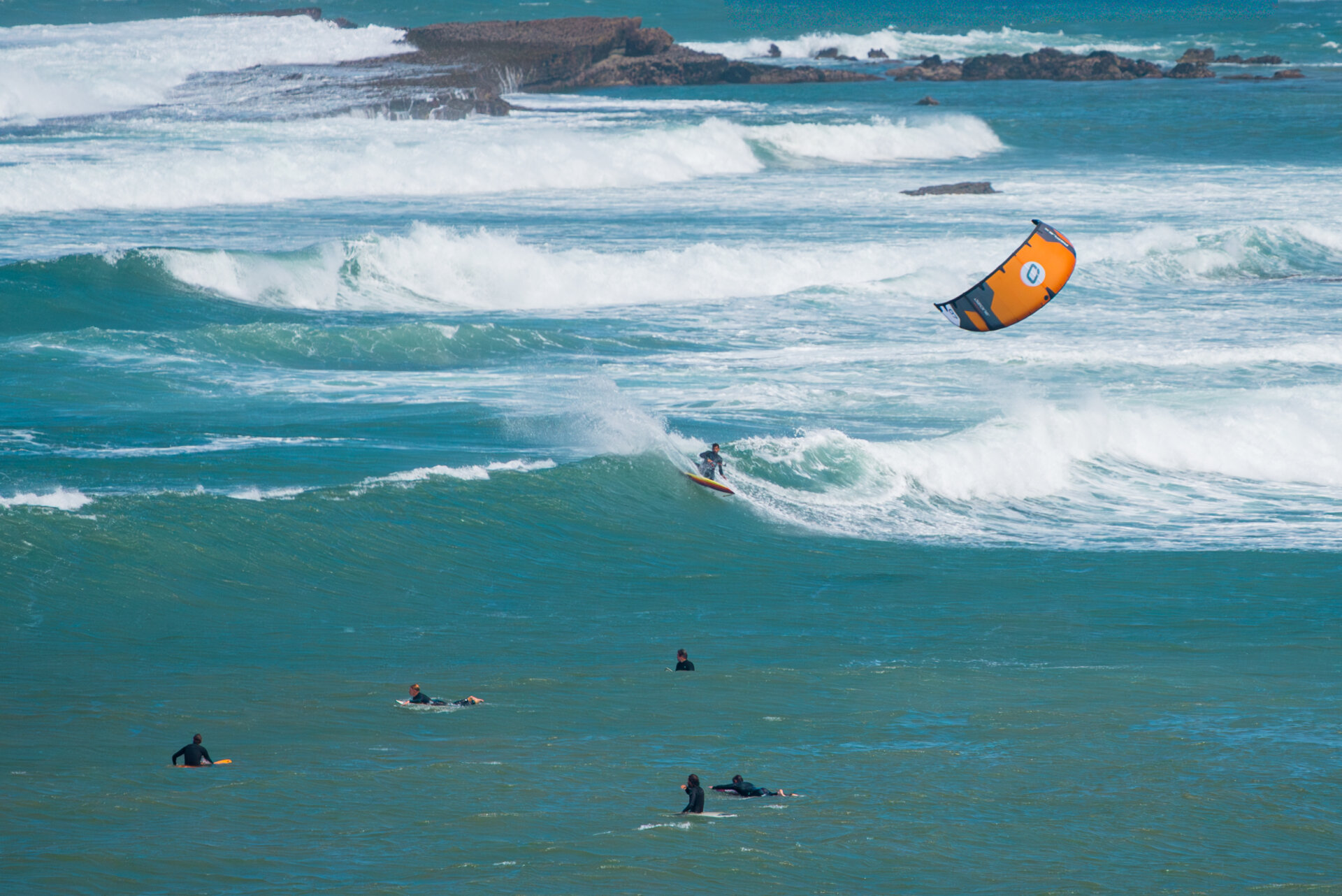
For freeriding, that translates into a kite you can simply hook into and enjoy. There’s enough lift and float to make jumping rewarding, while the tighter turning characteristics open the door to loops as riders progress. Move onto a surfboard and the smooth power delivery and manoeuvrability become equally useful, while foilers should appreciate a kite that can be controlled instinctively without demanding constant attention.
That broad usability is arguably one of the most important elements of the design. Plenty of riders don’t define themselves as big air riders, wave riders, freeriders or foilers. They go kitesurfing and choose whatever board or conditions look most appealing that day. The Reflex has been designed with exactly that sort of rider in mind.
Built By Ozone
Behind all of this is one of Ozone’s biggest advantages as a manufacturer. The brand owns its Parapex production facility and has been manufacturing its own products for more than 25 years, giving the design team direct control over how its ideas are translated into finished kites.
Panels are individually laser cut, loaded areas receive dedicated reinforcement, and the struts are connected directly to the leading edge with internal and external reinforcement to help maintain the intended profile and canopy tension. Even the bladders are manufactured in-house.
That level of control is particularly relevant on a kite like the Reflex. This is designed to be an everyday kite, potentially ridden across several disciplines, travelled with, crashed while learning new tricks and generally subjected to the realities of regular kitesurfing. The construction needs to reflect that.
The Bigger Picture
The Reflex isn’t about taking performance away to make kitesurfing easier. It’s about making that performance easier to access.
Ozone has taken knowledge developed through high-performance designs such as the Vortex and used it to create something with a much broader remit. The Dacron construction brings durability and a more forgiving response, the lower aspect ratio makes the power accessible, and the overall handling has been tuned to work across a huge variety of riding styles.
For riders who don’t want their kite to dictate what sort of session they’re going to have, that could be the Reflex’s biggest achievement. It’s designed to be easy when you want it to be, while still packing enough performance to become considerably more exciting when you decide to push harder.