
Volcanic Evolution
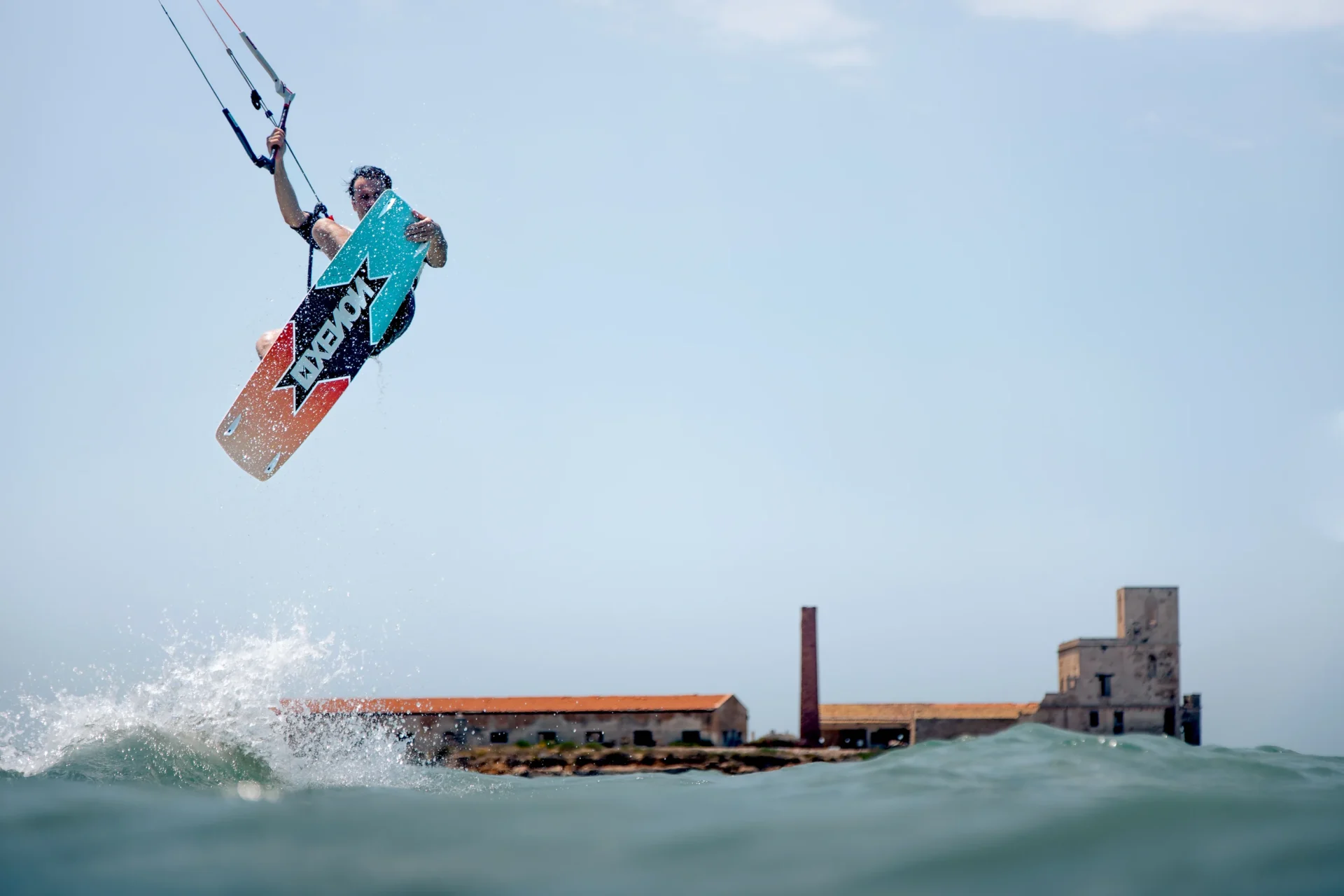
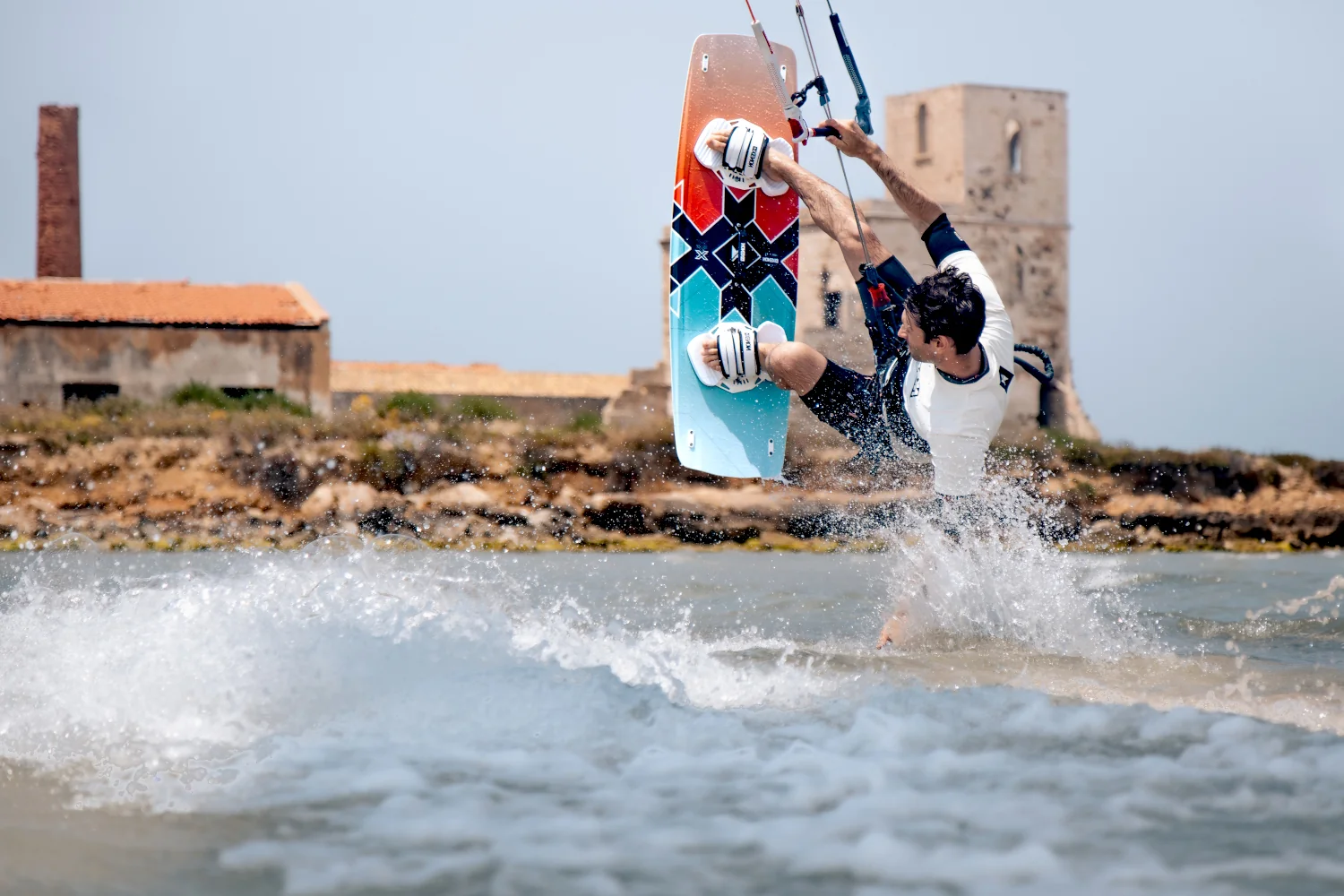
Since its debut in 2009, the La Luz has been continuously refined around essentially the same objective: creating a lightweight twin tip capable of delivering genuine performance without sacrificing the comfort and accessibility that make a board enjoyable to ride every day.
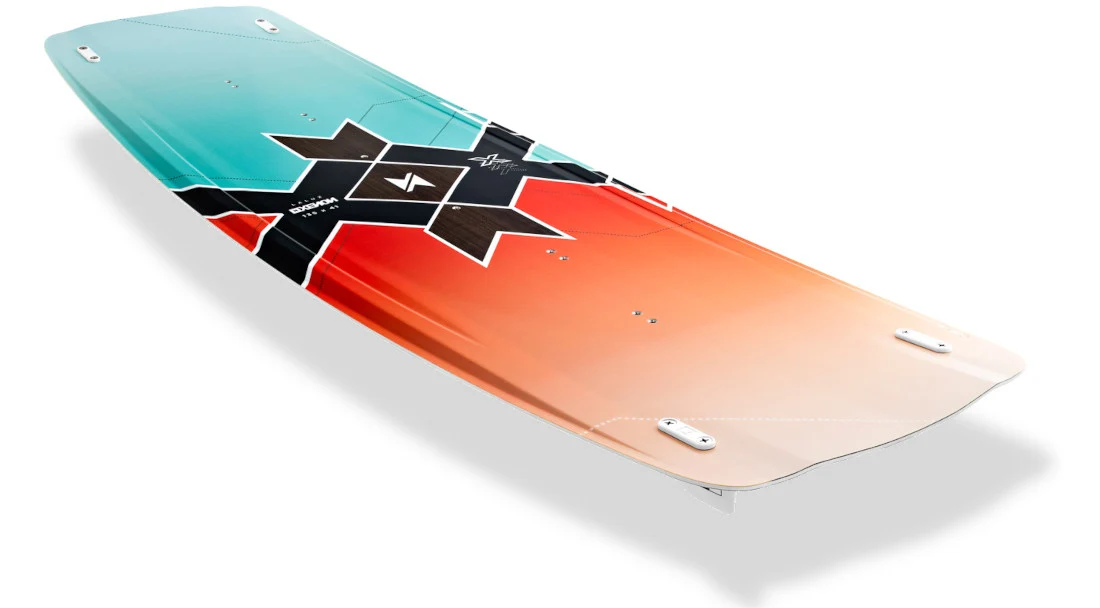
For the latest generation, the biggest change is hidden inside the construction. Xenon has introduced its new Basalt Backbone, using fibres naturally derived from volcanic rock to increase response and pop while retaining the balanced flex that has become a defining characteristic of the La Luz.
It’s an interesting evolution for a board Xenon says will suit 99% of kiteboarders. Rather than pushing the La Luz towards one increasingly specialised discipline, the new construction is intended to broaden what riders can get from it.
The Basalt Backbone
Basalt fibre is produced from volcanic rock and offers an interesting set of properties for board construction. Xenon has incorporated it into what it calls the Basalt Backbone, using the material to add stiffness and response in specific areas rather than simply making the entire board more rigid.
That’s an important distinction. More stiffness can produce explosive pop and a very direct connection with the water, but taken too far it can also make a twin tip tiring and unforgiving, particularly through chop.
The La Luz has traditionally been known for its comfortable medium flex, so the challenge was adding another level of performance without losing that character. The Basalt Backbone is designed to provide additional response when the board is loaded, giving riders more energy back through the release while allowing the rest of the construction to retain enough flex to absorb rougher water.
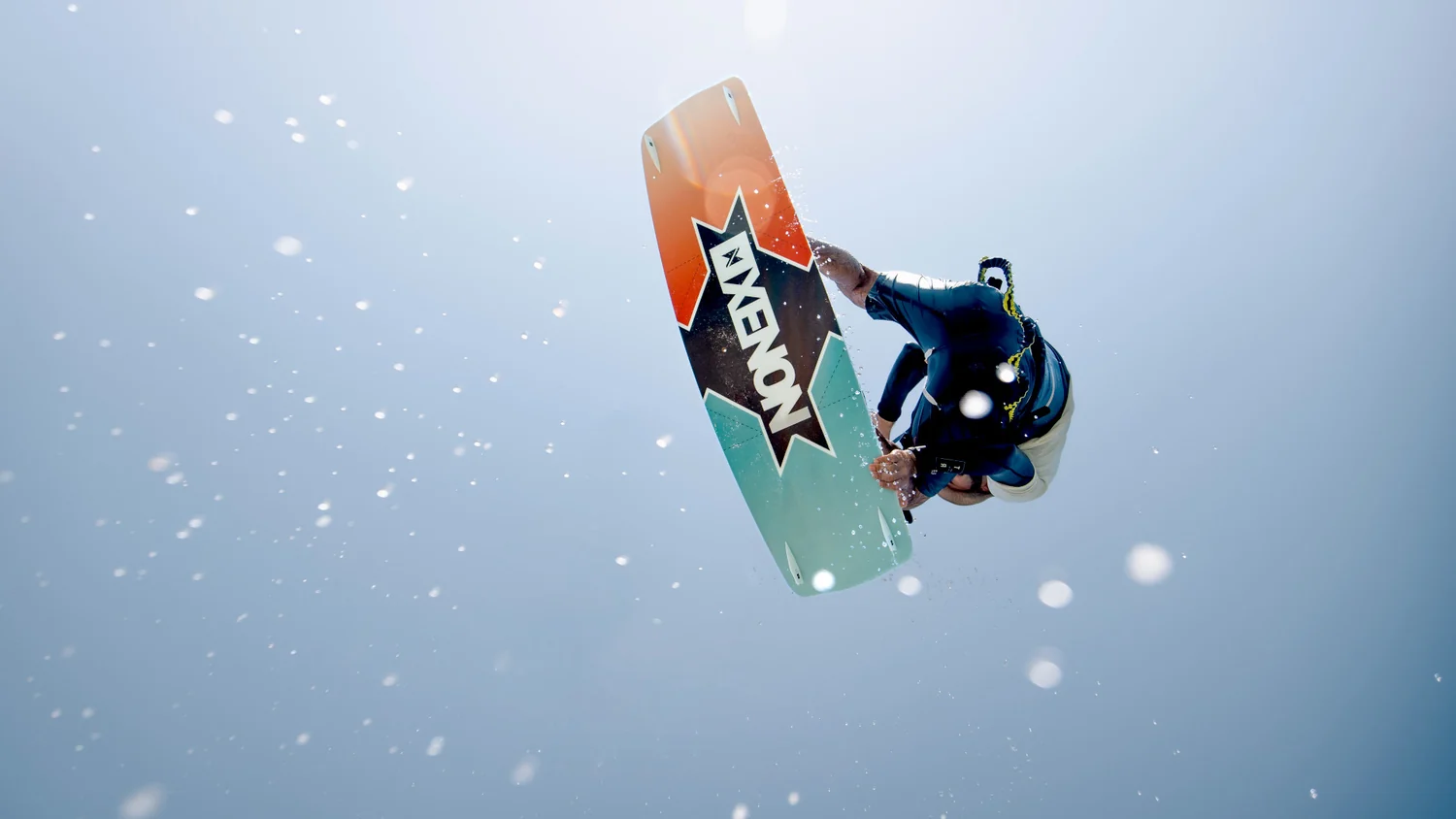
For freeriders, that should translate into a lively board underneath your feet. For riders pushing into freestyle or big air, the benefit is greater precision when loading the edge and more energy available when it’s time to release.
Building Around Flex
The Basalt Backbone doesn’t work in isolation. Underneath it sits a Paulownia wood core, chosen for its combination of low weight and durability, surrounded by a triaxial glass laminate that allows Xenon to control both longitudinal flex and torsional stiffness.
The board also uses 3D channels along the top rails. These increase structural strength, allowing Xenon to reduce the thickness of the core and consequently remove weight without simply making the whole construction softer.
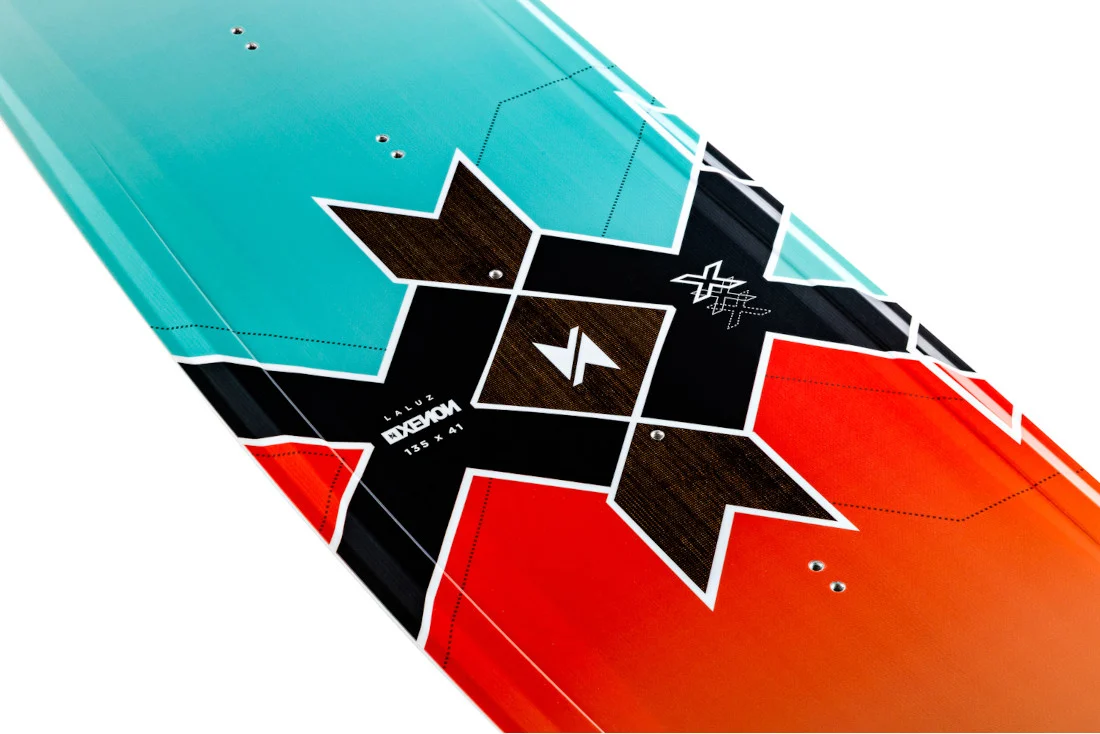
The result is a board weighing approximately 2.15kg in the smallest 135cm size, with the larger 138cm and 142cm models coming in at approximately 2.55kg and 2.65kg respectively.
That lightweight construction is a significant part of the La Luz character. Less mass beneath your feet makes the board easier to manipulate during tricks and rotations, but it also contributes to the playful feeling Xenon is trying to preserve despite the additional response provided by the basalt construction.
Shaping The Ride
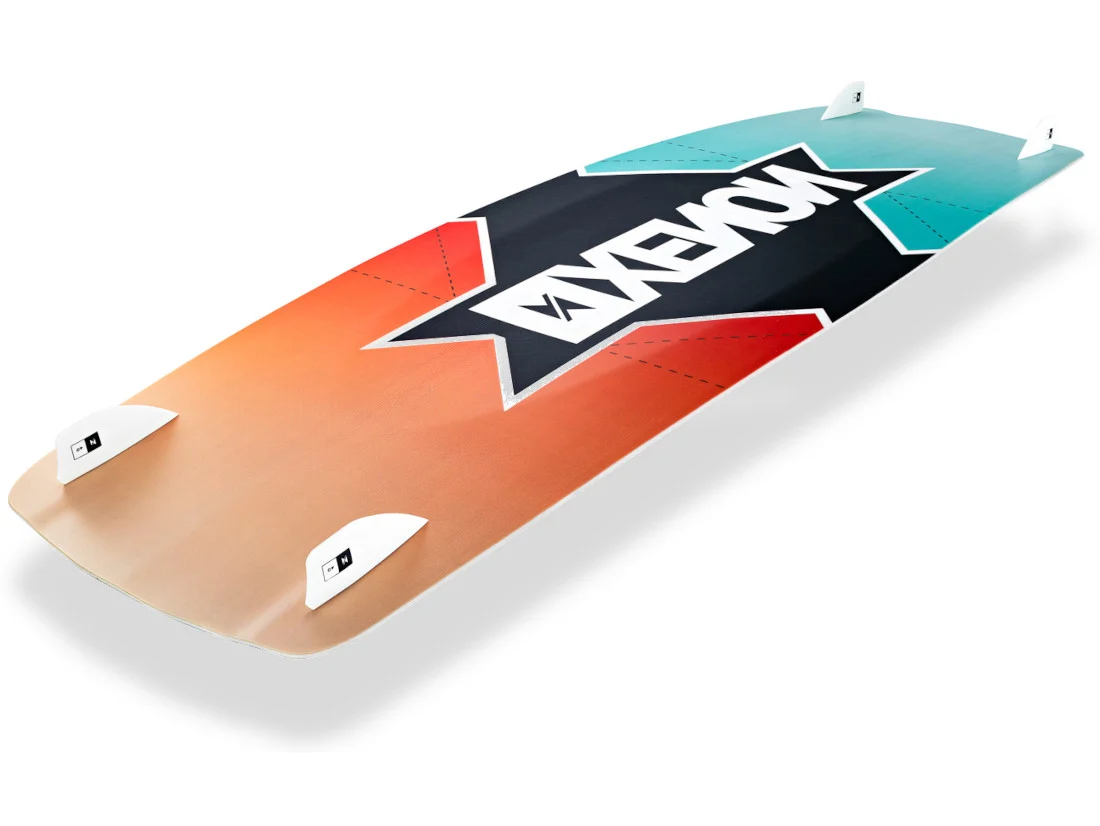
Construction only provides part of the equation. The bottom of the La Luz uses Xenon’s signature elliptical concave transitioning into a Double V profile, combined with smooth channels through the tips.
Rather than using aggressive bottom shaping to lock the board onto the water, the design is intended to balance speed, grip and control. The concave helps manage water flow beneath the board, while the Double V and tip channels provide additional edge control as speed and pressure increase.
A medium rocker completes the package. Again, it’s a compromise chosen deliberately. More rocker can improve comfort and loosen the board up, but generally costs efficiency and upwind ability. A flatter board can become exceptionally quick and efficient, but potentially harsher through chop.
Sitting between those extremes allows the La Luz to retain the comfortable, playful ride required for everyday freeriding while still providing the speed and edge control needed when riders start loading the board harder.
The Bigger Picture
After more than 15 years, Xenon hasn’t tried to turn the La Luz into something it was never intended to be. Instead, the company has continued refining the balance that made the board successful in the first place.
The Basalt Backbone is the latest part of that evolution. It adds response and pop to a construction that remains lightweight and deliberately comfortable, while the established combination of controlled flex, medium rocker and carefully developed bottom shaping keeps the board accessible across a huge range of riding styles.
That versatility is perhaps the most interesting feature here. Creating an extreme board for a very specific rider is one challenge. Building something that can comfortably cruise around in chop, drive upwind, send a big jump and then load into a freestyle trick, without feeling compromised everywhere, is another entirely.