

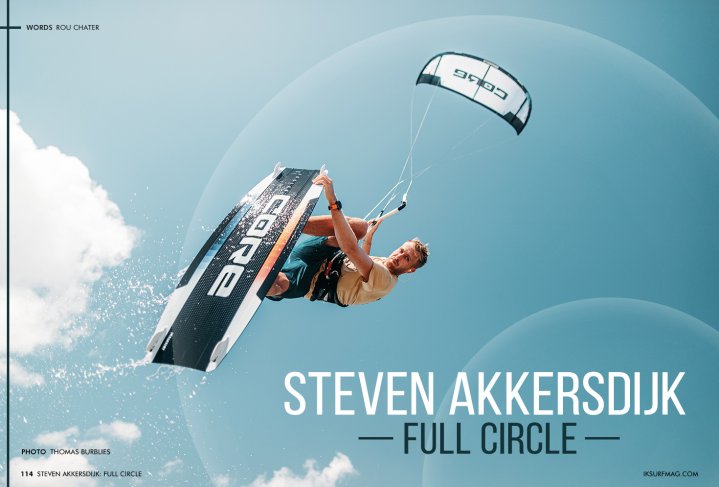
Steven Akkersdijk Full Circle
Issue 114 / Thu 19th Feb, 2026
Steven Akkersdijk has spent more than a decade riding at the sharp end of big air, pushing limits in Cape Town and standing on the podium at the world’s most extreme events. These days his focus has shifted from chasing results to shaping riders, blending experience, style and precision through coaching and camps around the world. We caught up with Steven to talk progression, fear, modern kiteboarding and why slowing down might be the fastest way to ride better.
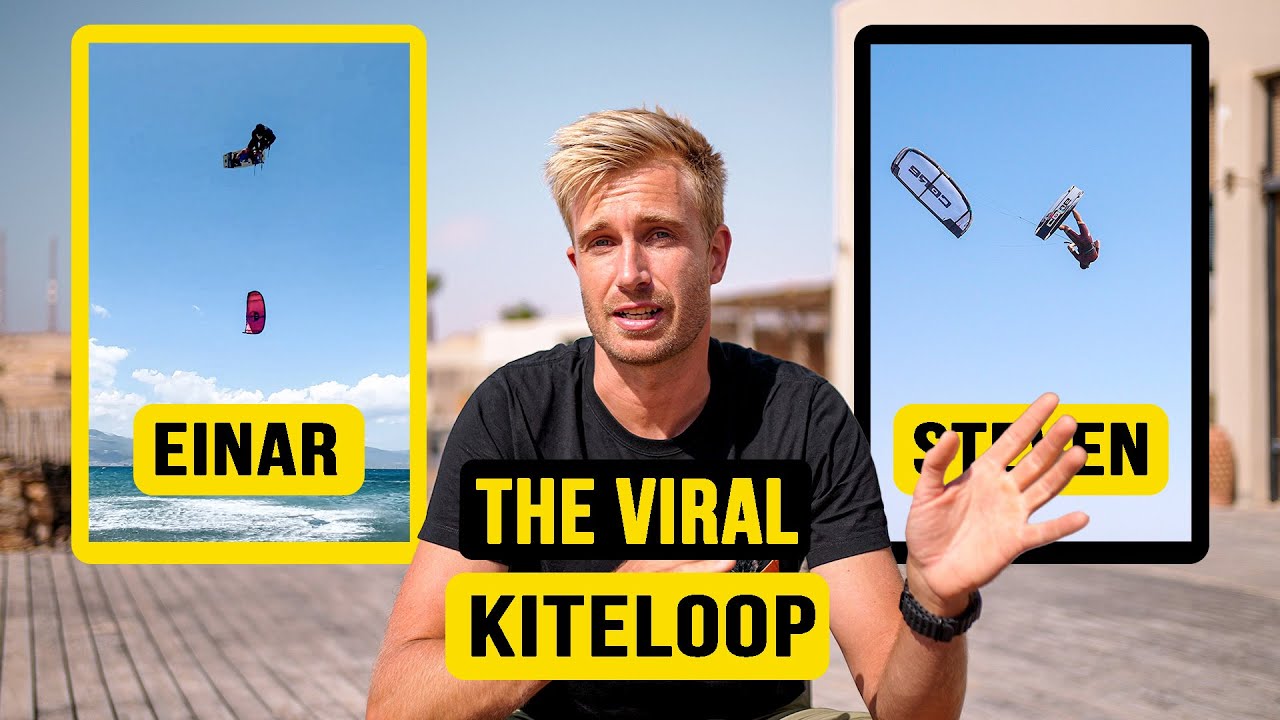
For years, if you typed “big air kite loop” into a search bar, you ended up watching Steven Akkersdijk. The Dutch rider has been part of the core of the big air era, a regular at Red Bull King of the Air, and one of the first people to make huge loops with proper style look almost casual.
Today, he is still riding at an incredibly high level, still creating some of the smoothest, most technical content on the water, but his focus has shifted. Steven is spending more time on the beach with a radio on his hat, coaching riders who want to unlock their next level, and running camps in some of the best spots on the planet.

This is the story of that shift, why coaching matters more than ever, and what you can expect if you join one of his trips.
From sandy intern to elite team rider
Long before the podiums and the viral clips, Steven started exactly where many kiters dream of starting, at the local kite school. As a teenager in the Netherlands, he took an internship at a kite centre and spent multiple seasons teaching full-time.
That early teaching background did two things. It paid for his first trips, and it gave him a deep understanding of how people actually learn. While many future pros were only thinking about their own tricks, Steven was already breaking movements down, explaining them on the beach and in the water.
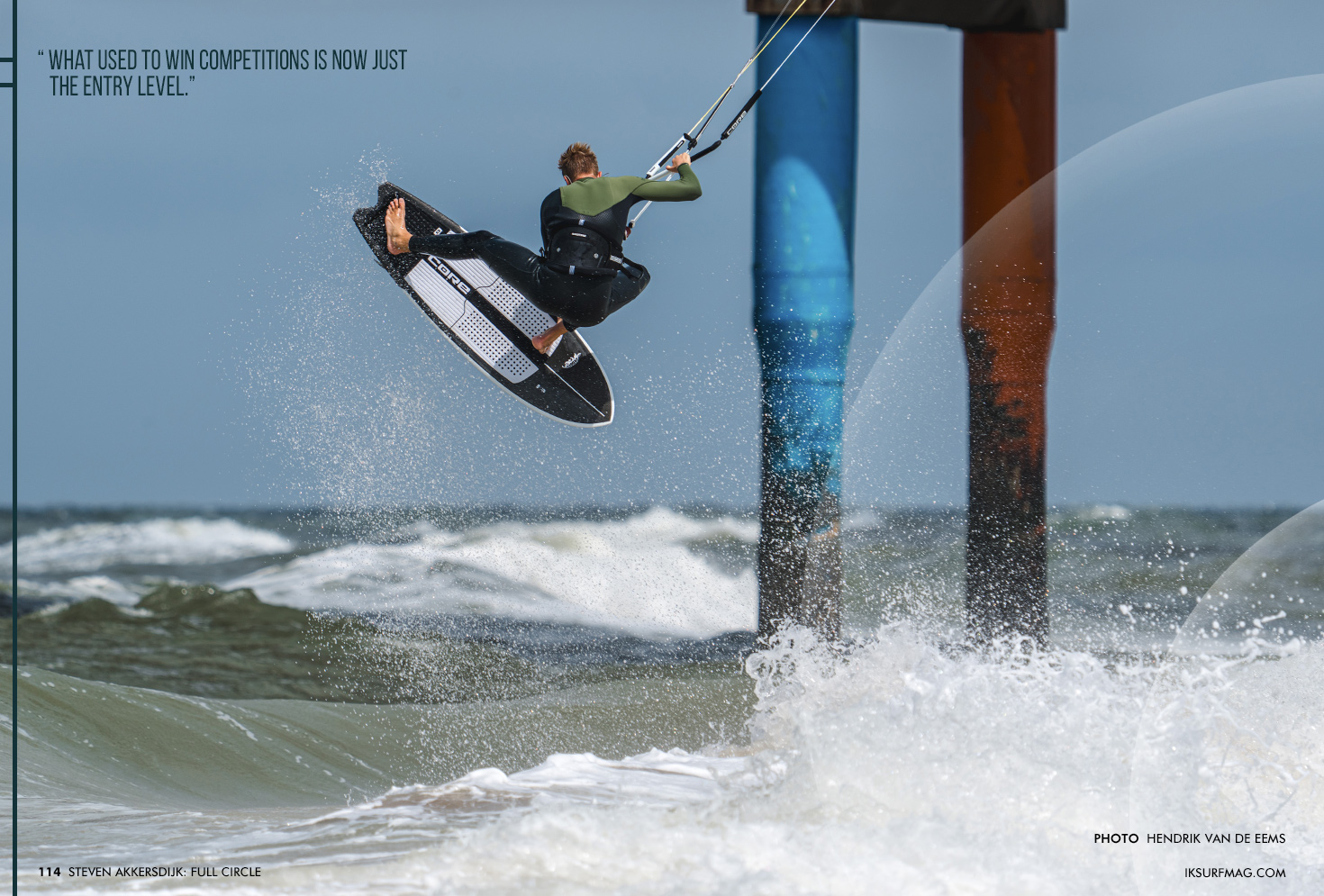
From there, the riding took over. His aggressive style on the water saw him gravitate toward fast, powerful designs like the old CORE GTS, and he became known as one of the riders who would simply “send it” no matter the conditions, before sending it even became a thing. That attitude took him to King of the Air, where he was always a threat. On his debut event, he came third, and then had three top-four finishes, with the most recent being in 2020. He came second in the Megaloop Challenge in 2017, and these results, as well as his style on the water, established him as one of the most respected big air riders in the world.
Alongside that, his long relationship with CORE Kiteboarding grew. Steven has been part of the brand family for more than a decade. These days, you will most often see him on the Pace or Pace Pro, a fast, playful freeride and big air-oriented shape that suits his flowing style. It might not be the highest boosting kite in the range, but the way it loops, drifts and allows him to add extra rotations, slides and blind landings is exactly what he is about on the water right now.
He still joins CORE shoots when a product fits his riding style, like the Pace content created in Brazil, and he remains on the official team list for both kite and wing, although his role has evolved from a pure competition rider to a broader mix of content creator, coach, and ambassador.
Discovering the value of fear
If you watch Steven ride today in Cape Town you will still see huge height, clean lines and powerful loops, but you will also see something else, discretion.
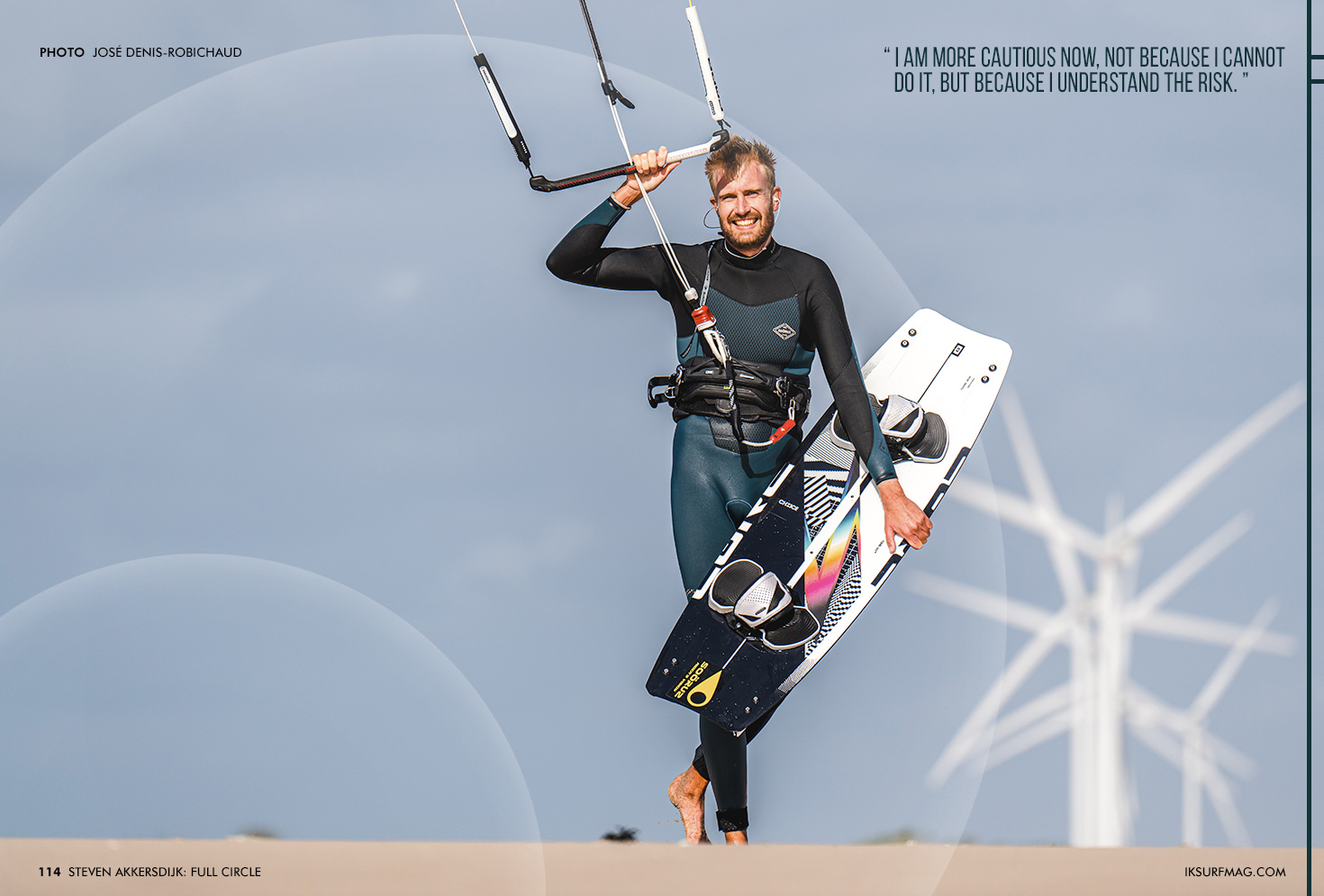
He is very honest about it. The knees are fine, he says, the real shift has happened in his head.
When you are twenty and fresh on tour, risk barely exists as a concept. You look at a forty-knot forecast and feel excitement, not calculation. Once you have been in the sport for years, once you have built a life around it, the picture changes. There are responsibilities, there is an awareness that a serious injury is not an abstract possibility; it is always just around the corner if you keep knocking at the door.
That does not mean he has stopped sending it, far from it, but it does mean he is more selective. He now often prefers the lighter Cape Town days, when he can play with different tricks, timing and style, instead of fighting survival conditions with crowded airspace at Big Bay.
Interestingly, that mindset moves very naturally into coaching. A good coach is not only someone who can do the trick, but they are also someone who knows when a rider is actually ready to try it, and when holding them back for a few more sessions might save them a painful lesson.
Back to his roots, Steven the coach
In many ways, Steven’s “return” to coaching is simply a loop closing. He started as an instructor, moved into full-time pro riding and competition, then circled back to teaching, this time at a much higher level.
Over the past four or five years, he has steadily built up his coaching work again, running one-to-one sessions, advanced clinics and fully organised camps. The response has been strong enough that he now sees this as one of his main focuses for the coming years, alongside his content and flying.
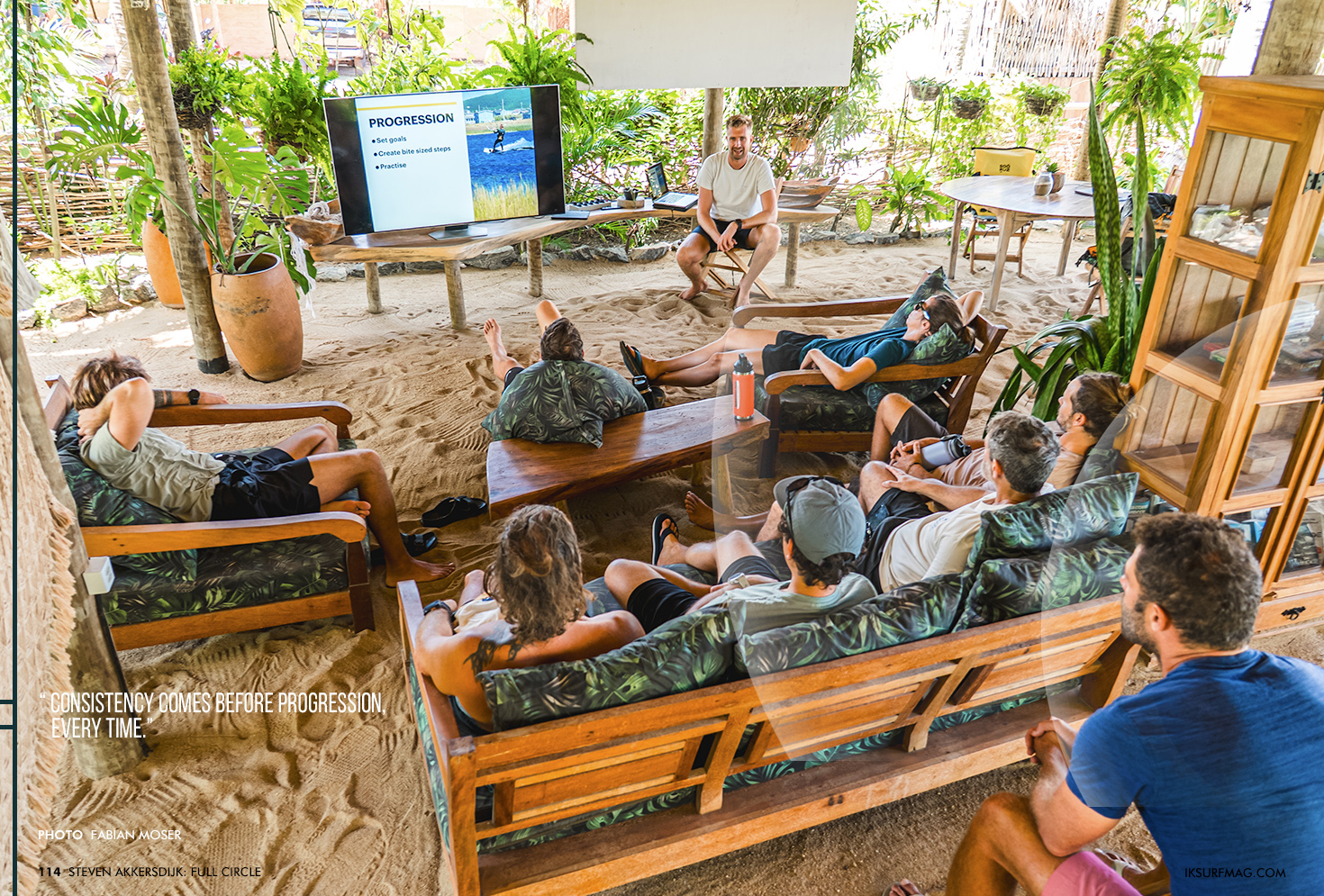
The impact is clear. Riders write to him months after a session to say that their whole experience of the sport has changed, not because they suddenly learned a triple handle pass, but because a few targeted changes made everything feel easy again. In some cases, he has helped people who were close to quitting, because they always felt out of control, rediscover their love for kitesurfing.
Why coaching matters for every kitesurfer
It is easy to look at someone like Steven and think coaching is only for people chasing double loops and podiums. The reality is very different.
One of the main messages he repeats is simple: take your time. Most riders want to rush to the next thing. Beginners are desperate to put a board on before they can really fly the kite. Intermediates want to loop when their basic jump is still fifty percent guesswork.
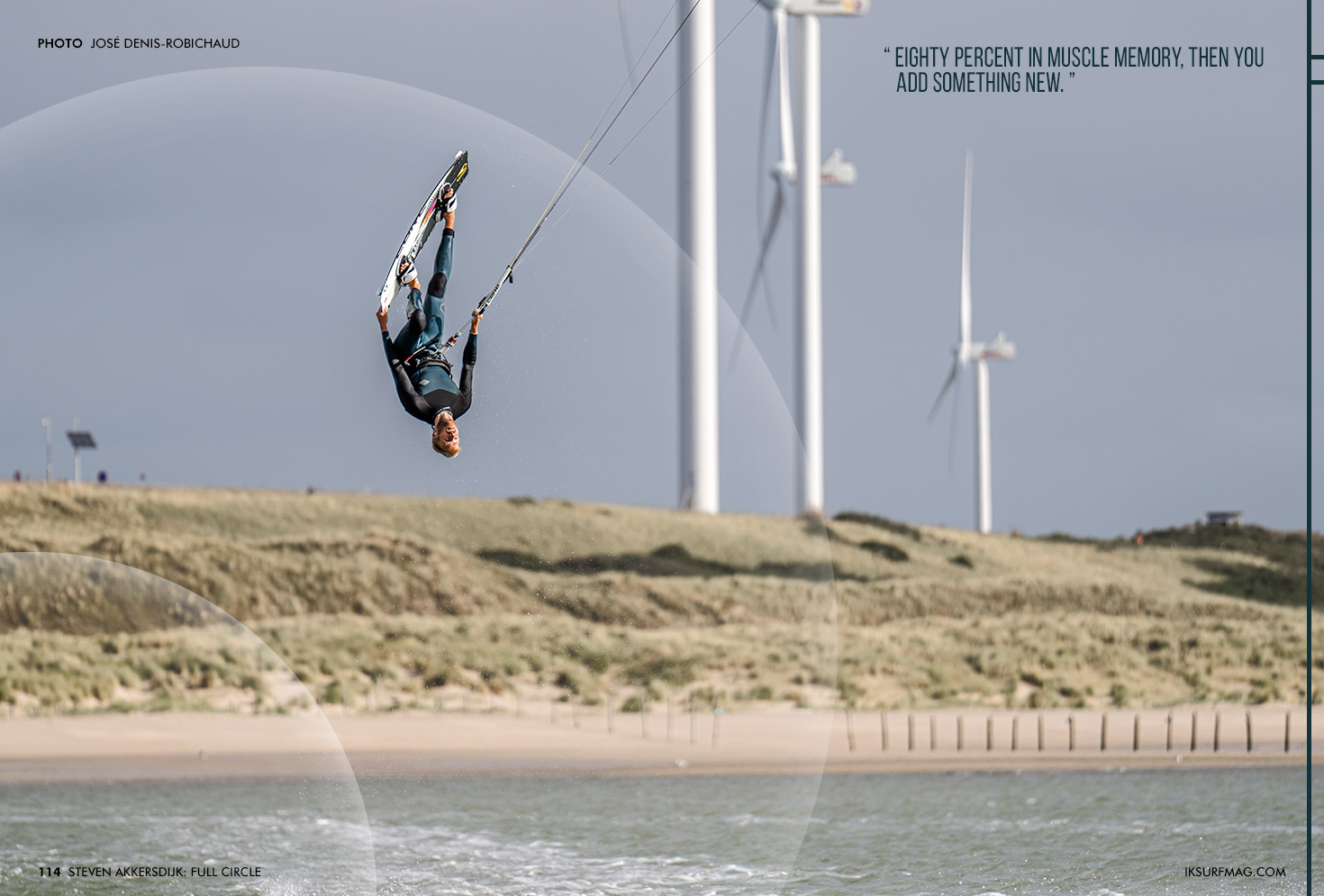
His rule of thumb is that you should be able to perform about sixty to eighty percent of your jumps or movements in the same way before you move on. That level of consistency means the foundation is in your muscle memory, so your brain has spare bandwidth to focus on the new element, the late rotation, the grab, the loop.
Without that, you are gambling. If your take-off is different every time, adding a kite loop simply stacks chaos on chaos. That is where the heavy crashes come from.
This is where good coaching makes a huge difference. An experienced eye can see where your problem really is. Often, it is not the trick you are trying to learn; it is two steps earlier. Your edge is inconsistent, your kite timing is off,or maybe your stance is collapsing when you take off. Fix those pieces, and suddenly the trick that felt impossible arrives almost naturally.
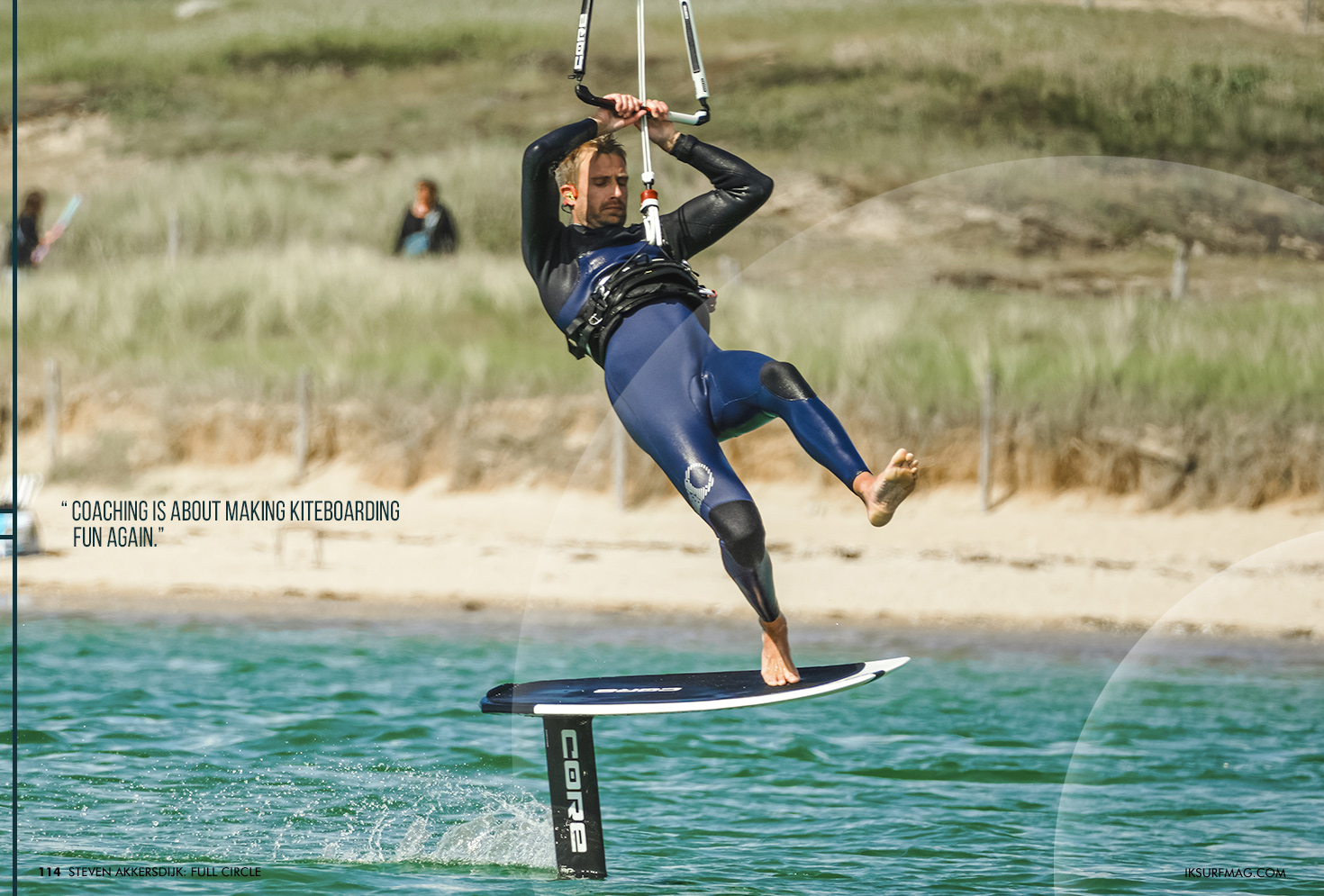
It is also about mindset. Steven encourages riders to enjoy the process and to stop treating progression like a race. Kitesurfing is not something you need to complete in a season. If you slow down and master each stage, you will progress further and stay safe along the way.
Technique is key from body drag to board off
Because he teaches everyone from strong intermediates to advanced riders, Steven sees the whole spectrum. That perspective has shaped the way he explains technique.
For beginners struggling to ride, his advice often goes right back to the kite. Spend more time flying, body dragging, steering the kite backwards and forwards, making it playful. The more automatic your kite skills become, the easier the board will be, because you only have one new thing to think about.
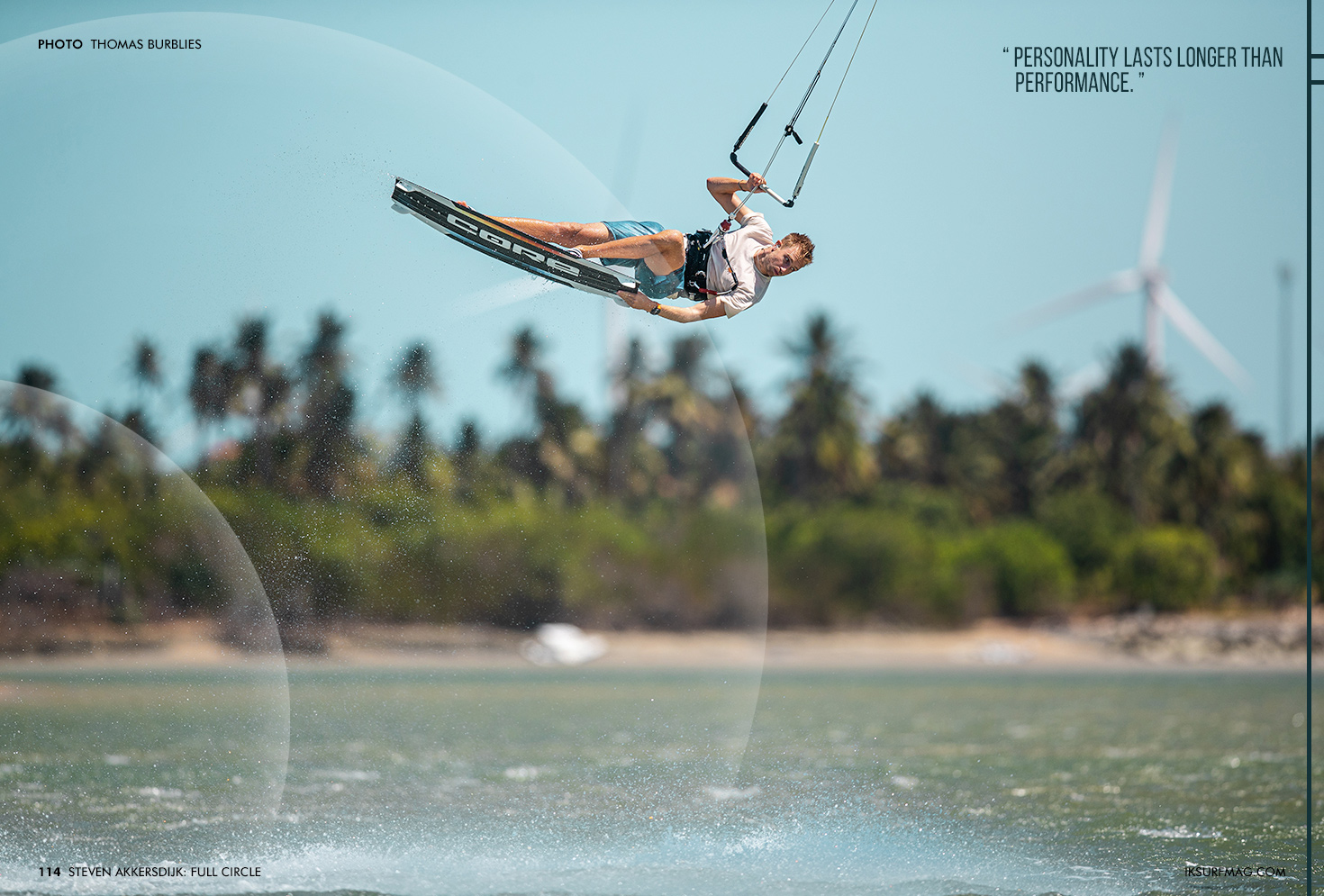
At the other end of the scale, when someone arrives wanting to learn kite loops or complex big air combinations, he often pulls them back to consistent take-offs and clean, controlled boosts without rotations. Get that right, then layer in complexity in small, manageable steps.
That same building block approach is exactly how he progresses his own riding. Many of the stylish, ballet-like moves you see in his clips are not completely new concepts; they are combinations of tricks he already knows, merged and tweaked until something fresh appears.
On his YouTube channel, he is increasingly showing the journey, including the crashes and outtakes, rather than just the final landed version. It is a more honest portrayal of progression and a useful reminder that even the best riders do not get everything the first time.
Camps and trips, chasing progression around the world
The natural extension of Steven’s coaching is his camp programme. Throughout the year, he moves with the wind, running trips in some of the best kite locations in the world.
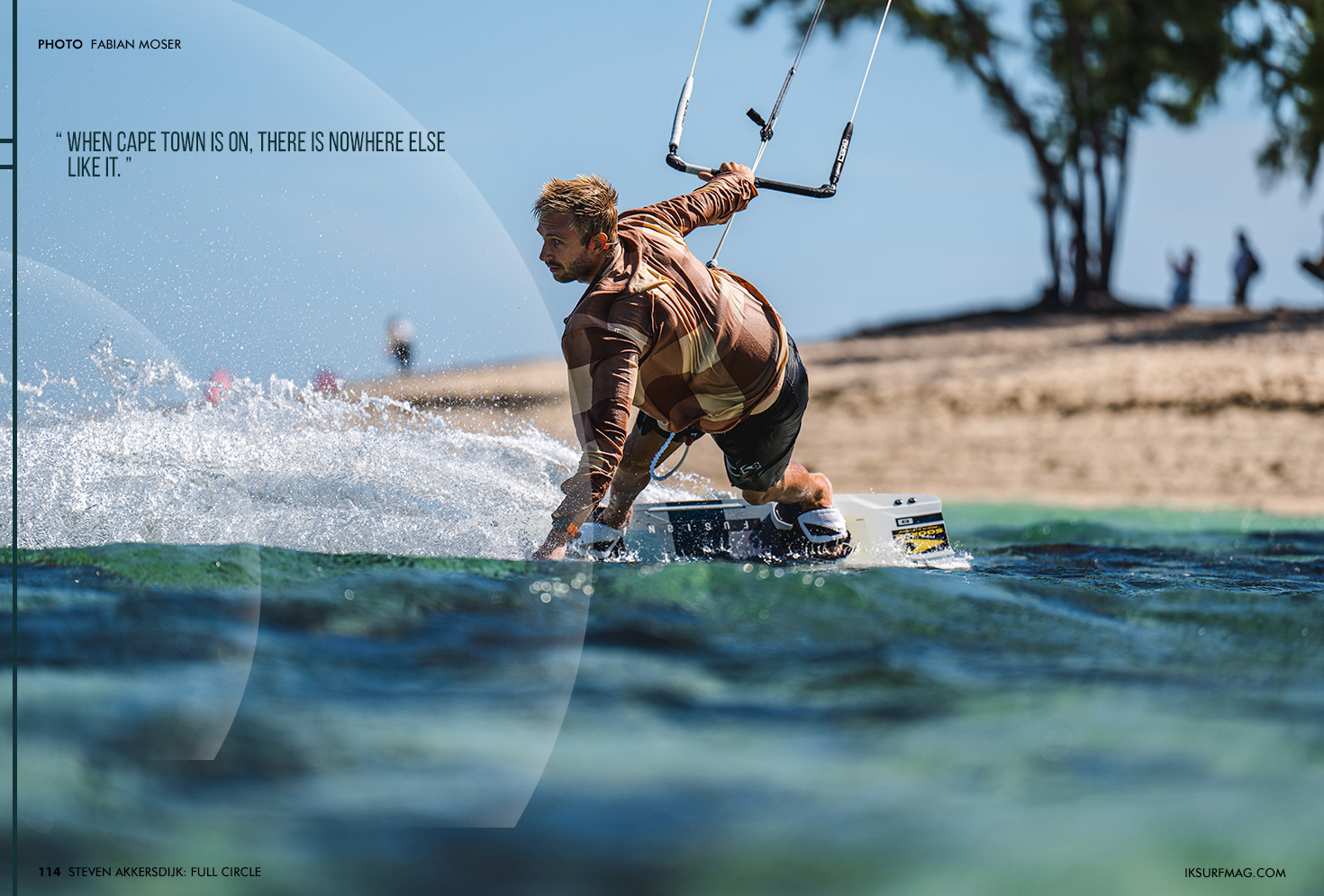
Cape Town is still high on his list. This current winter marks his eleventh season there, which says everything about how much he values the place. On its day, the combination of strong winds, waves and an international community of riders creates a unique environment for both riding and learning.
Once the South African season winds down, he heads back to Canada, where he now lives with his wife. There, he splits his time between summer kiting, snow kiting in the colder months and paragliding in the right conditions. Spots like the Magdalen Islands and the lakes around Quebec offer surprisingly good kiting and foiling, with plenty of space and a strong sense of adventure.
Spring sees him travelling again, for example, to Egypt for flat water camps. There, he often partners with fellow pro riders, this year he is running a camp with Giel Vlugt, giving guests access to two very different but complementary coaching styles in reliable wind and easy conditions.
Later in the year, he is usually back in Brazil, following the trade winds up the coast, finding lagoons and wave spots that are perfect for structured progression. Brazil has become busy, as he admits, but it is busy for a reason; the wind probability is extremely high, and the variety of spots means you can tailor conditions to the group.


All of his camps share a few common traits. Numbers are kept manageable, so everyone gets real attention. The focus is on building a solid foundation, then nudging riders just outside their comfort zone, not throwing them into situations they are not ready for. The idea is to leave every camp not just with a few new tricks, but with better habits and a clearer understanding of how to keep progressing once you are home.
If you are interested, check out his website and book yourself on a camp. Steven is one of the nicest guys in kiteboarding, and you will have a blast and learn a lot. You can find information about his advanced coaching and camps on his website and Instagram, and he encourages people just to send a message if they are unsure which trip might suit them best.
More than tricks
What stands out when you talk to Steven is that for him, coaching is not about creating copycat versions of his own riding. It is about helping people enjoy their time on the water more. Sometimes that means a cleaner back roll or a first loop, sometimes it means finally feeling in control after years of fighting the kite.
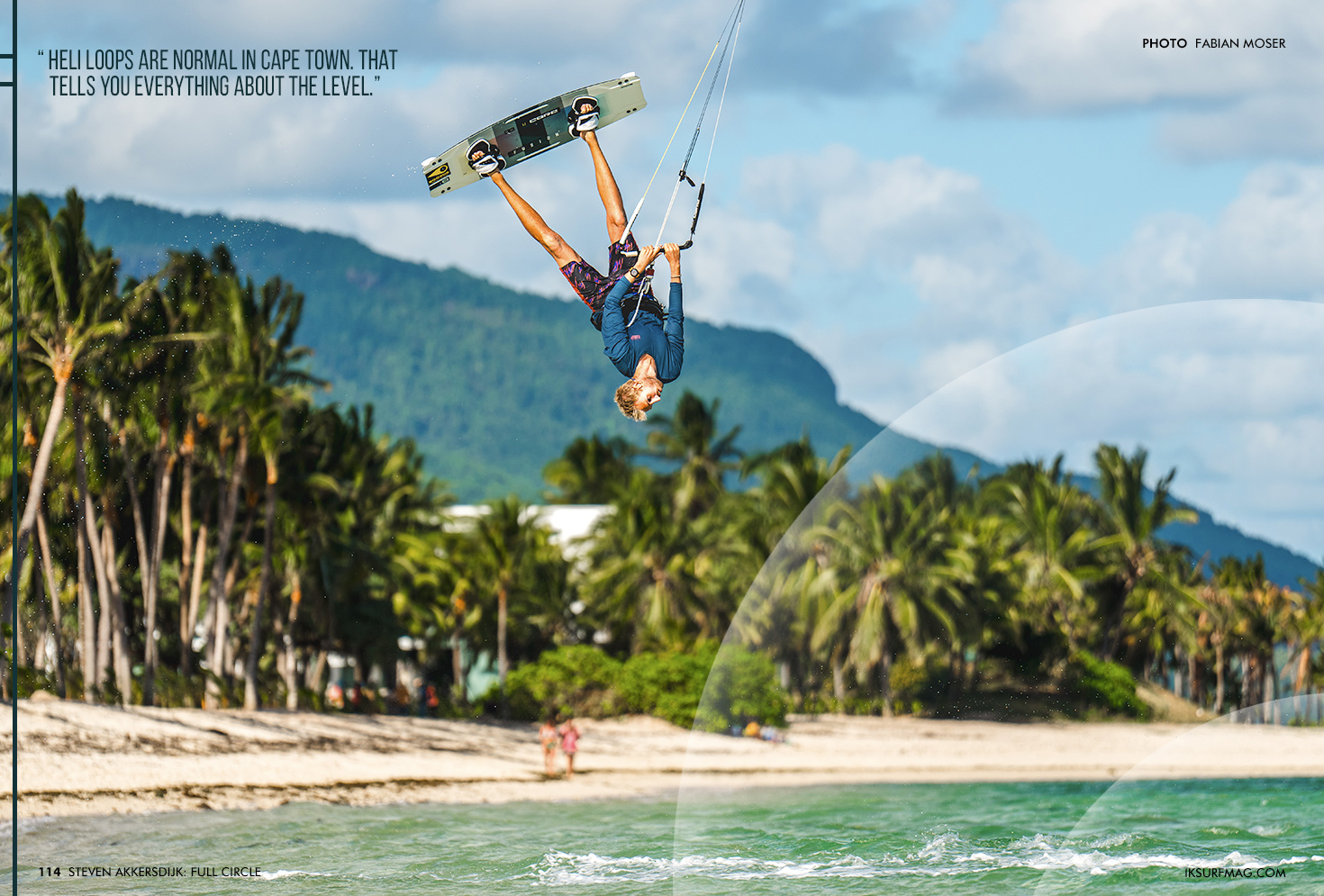
In a sport where equipment has made huge jumps in safety and performance, where the average level has risen to the point that heli loops feel normal in Cape Town, the role of good coaching is becoming more important. It is the bridge between what modern gear can do and what individual riders feel confident trying.
Steven Akkersdijk has spent more than a decade at the sharp end of progression. Now he is using that experience and his original roots as an instructor to lift everyone around him. Whether you are chasing your first upwind tacks or adding a rotation to your board off loops, there is a good chance he has been exactly where you are and knows the next step to take.
For coaching information visit: https://www.stevenakkersdijk.com
Videos


By IKSURFMAG
