
The Interview: Beto Gómez
Issue 112 / Tue 19th Aug, 2025
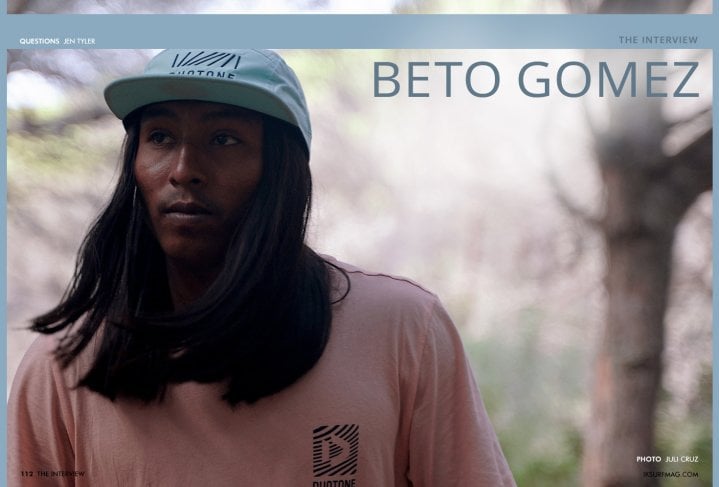
Beto Gómez’s journey from the Wayuu community in Cabo de la Vela to the world stage is nothing short of inspiring. In this interview, Jen Tyler chats with Beto about his roots, his rise in kiteboarding, and what it means to represent his tribe through the sport he loves.
Beto! It’s great to have you here. We’ve been wanting to interview you for a while! Tell us what your childhood was like growing up in Cabo de la Vela, Colombia.
Hey guys, thank you so much for the opportunity, for having me on board, and for thinking of me for the interview. I really appreciate it so much.
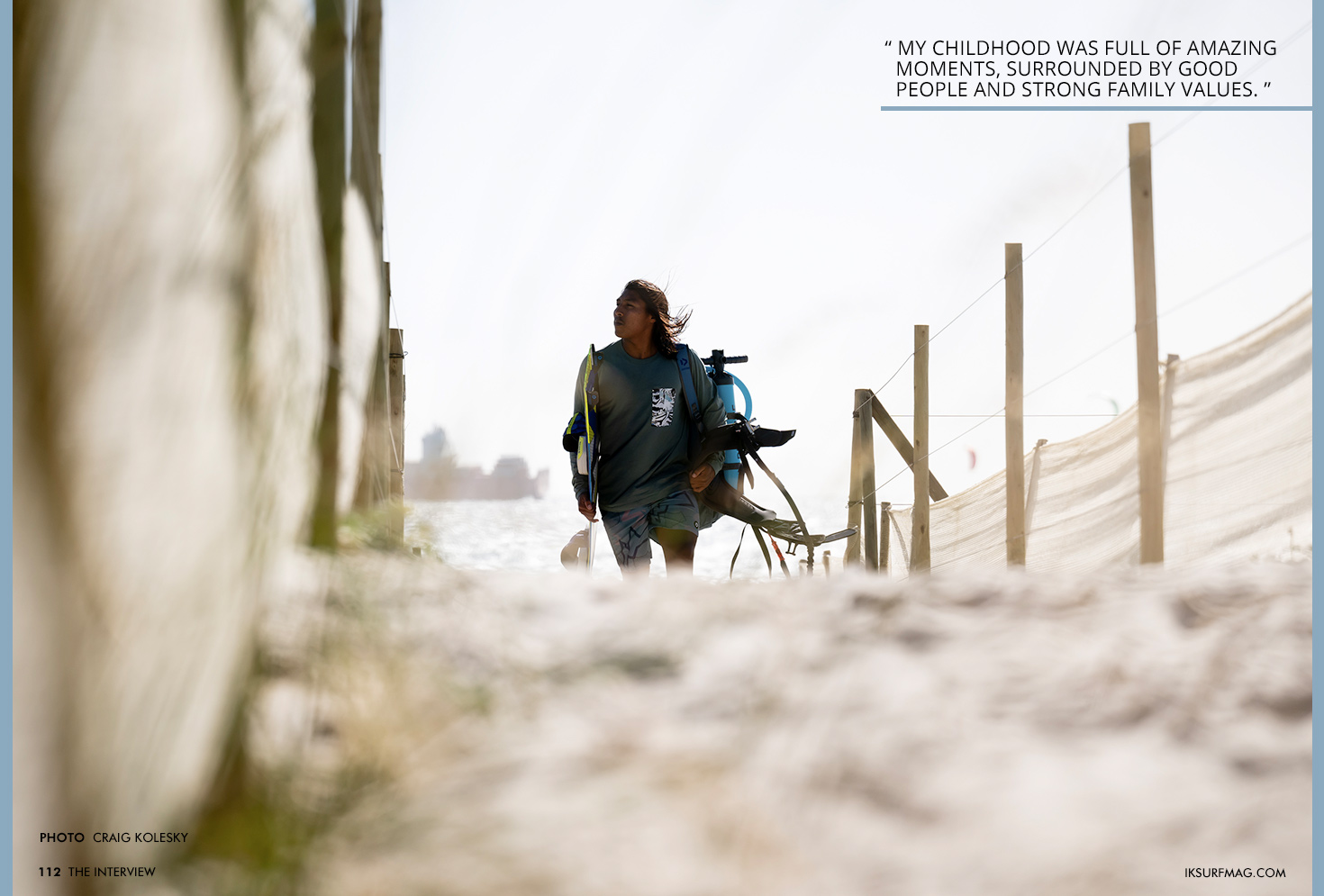
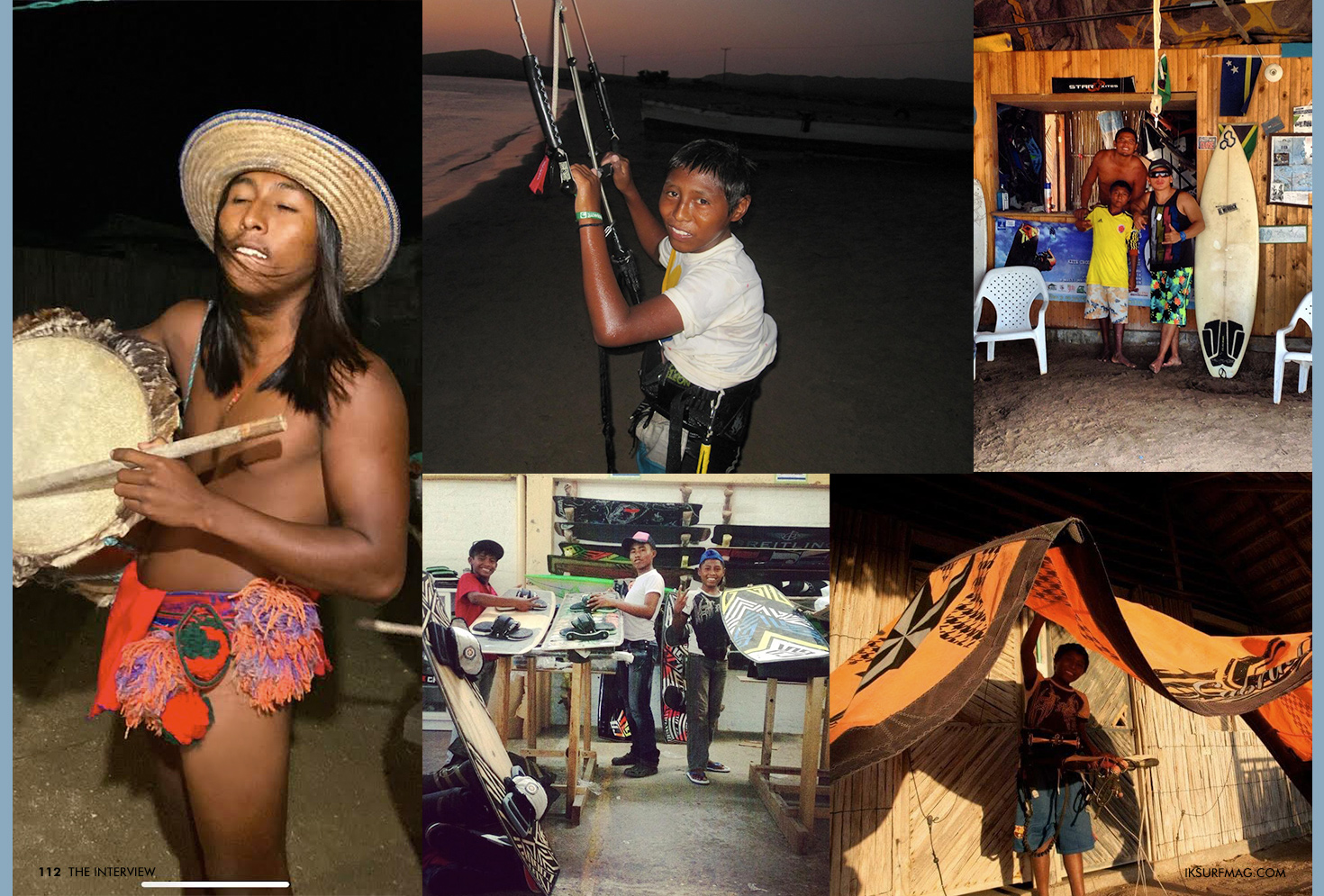
Growing up in Cabo de la Vela in the Wayuu community was an incredible experience. My childhood was full of amazing moments, surrounded by good people and strong family values. Life there teaches you a way of living that is hard to find elsewhere, and I feel proud to be part of the Wayuu tribe and to represent them.
It was not always easy, but we were happy, truly happy. We had what we needed: food in our stomachs and air to breathe. Of course, there were challenges too. For many years, water was a big problem. Thankfully, it is now easier to get, though you still need to earn the money for it. But the most important thing is that we have water!
How would you describe your hometown to someone who’s never been there?
Home is warm and arid, with the Caribbean Sea on the left and the Guajira desert on the right. A small village, surrounded by other small villages. Strong wind every day, great food, and amazing vibes around the beach. Music playing, mamas cooking BBQ out on the street—waooooooo! I flew back home just thinking about all of this!
Were there any cultural or social challenges you faced when starting as a Wayuu kiter?
In the beginning, when I was a little kid, it was always difficult to get permission from the big boss in the tribe to go compete somewhere in the world. But that never stopped me. The only permission I needed was from my mom. After that, my family faced some problems within the culture because we broke the rules. But thank God I did a great job and put my tribe on the world map. Now, they see me as a reference for the Wayuu people, and everything is okay.
Trying to be part of the other side of the world was also a big challenge. Socially, it was hard being around people who didn’t speak Spanish. My English was very basic, and I was travelling alone. But I kept going. Thanks to Craig Cunningham, my first manager, and the Duotone team, I was able to be part of this world, learn a lot of values, gain knowledge, and improve my English.
What does it mean to you to represent your Wayuu roots on the global stage?
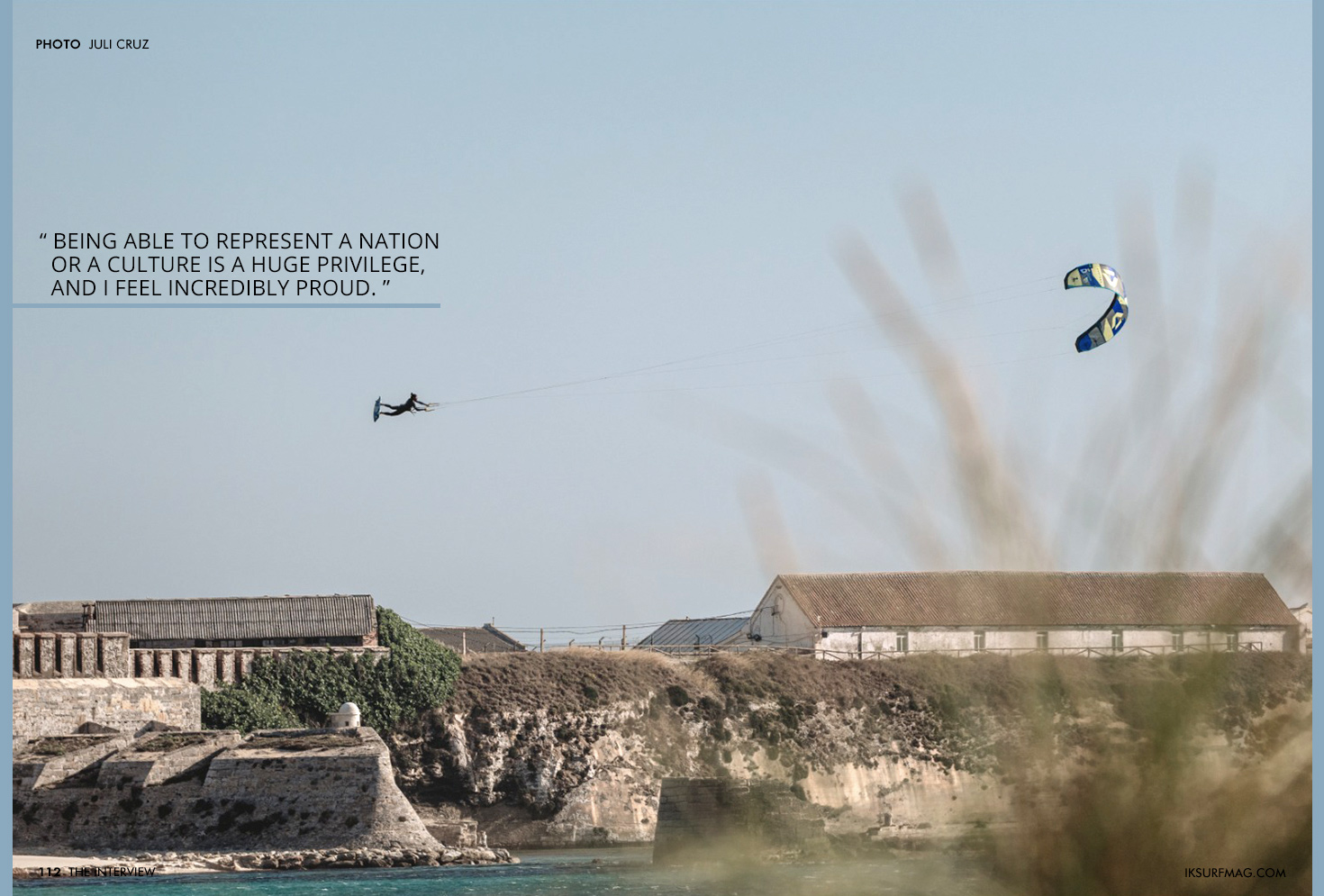
Representing the Wayuu tribe means everything to me as a kiteboarder because I am the only one doing it, and that gives me strength. Being able to represent a nation or a culture is a huge privilege, and I feel incredibly proud. I believe I represent more than just my tribe or my family. I represent people around the world. I can do something for those who cannot, and that gives me purpose.
I truly believe God put me on this path to teach something, to show the world that anything you dream of can come true. If you wish for it, if you wake up every day and work hard for it, you can make it happen. The mind is powerful, and if you use it in the right way, it can take you all the way to the top. I am on my way.
What’s a typical day like at home in Cabo de la Vela?
A day at home is everything. You wake up in the morning, and Mama already has the coffee ready to serve. You walk along the Caribbean beach, sipping your coffee while taking in the beauty of life. The wind starts blowing early, but everything feels calm. Fishermen take out their wooden boats to catch food for the day and to sell. There is kiting every day, and seafood like a king or queen. You can visit the local beaches and learn about the tribe, enjoy cultural nights, and taste Mama’s barbecue cooking in the streets. Sleeping in chonchorros, our Wayuu hammocks, is the best part of all.
Who initially introduced you to kitesurfing? Did it come naturally, or did you struggle at first?
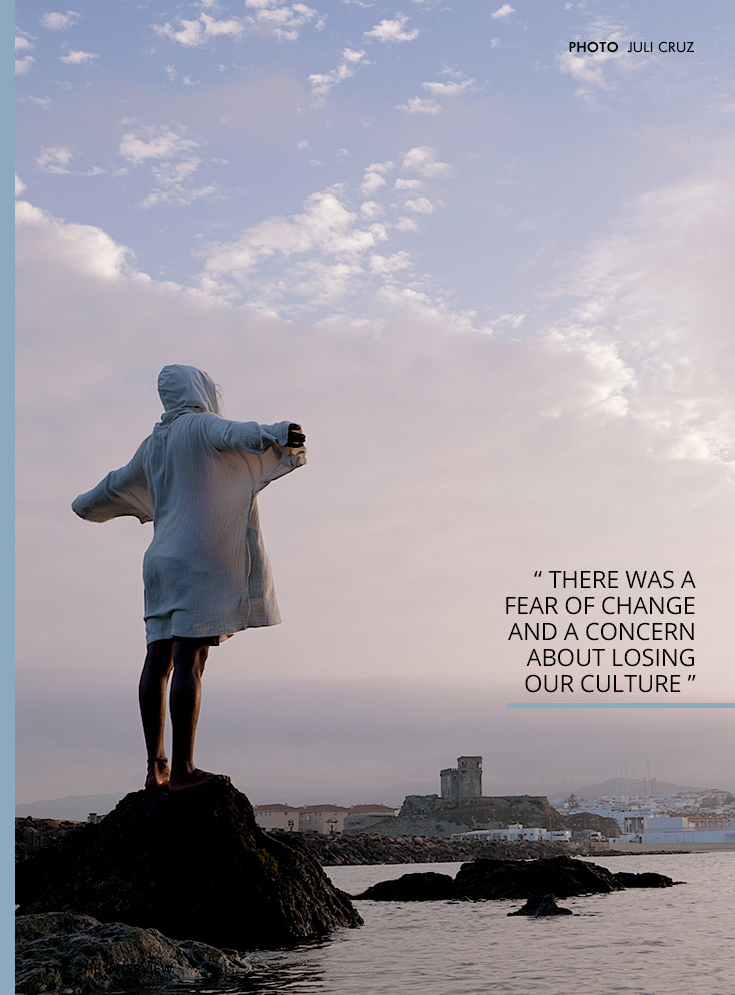
I first saw a kite when I was seven. Back then, before kitesurfing arrived in our town, the tribe was not allowed to interact much with the outside world. There was a fear of change and a concern about losing our culture. Initially, kitesurfing was not accepted. Three years later, someone returned with a different mindset and fresh ideas for the people in Cabo. His name was Martin Vega. He was the first person to introduce kiting to us. My brother, a friend, and another guy were the first to learn the sport. After that, my brother tried to teach me kite control, but never let your brother teach you anything. It was a crazy experience. Eventually, someone else stepped in to help me, the Rasta man. Still, it took me a long time to get on the board. I was afraid of being dragged out into the ocean and not coming back. But it was all worth it. There were big challenges, but here we are, flying the flag as high as possible.
Who were your kitesurfing idols growing up?
When I was 10 years old, I had never seen a computer or a TV. Every night after kiting, Martin would put on the computer and show us movies, kite videos, and footage from competitions around the world like PKRA, Red Bull King of the Air, Kitefest Argentina, and many others. Our minds were blown. My friends and I would sit there thinking, one day we’ll be there, competing with these guys. We watched Aaron Hadlow, Reno Romeu, Jesse Richman, and Ruben Lenten; those names were the biggest. Ten years later, I made that dream come true. I travelled to Argentina for a competition, Kitefest, the biggest kiteboarding competition in South America. And unexpectedly, I met my heroes. It was my first time riding for Duotone, and everyone was at that event. My heart was beating fast, and emotions were running high. I never thought this could be possible, but I made it. I met my heroes.
How would you describe your riding style today?
My style over the past few years has always been technical, but now I’m mixing technicality with power to take things to the next level. At the moment, my riding is powerful, explosive, and still very technical. Even after 16 years of kiteboarding, I’m still learning something new every day. Right now, I’m on a mission to reach the highest level I can. My mindset is all about growth, focus, and winning and I’m working hard to get there!
What is it about Big Air that has you hooked?
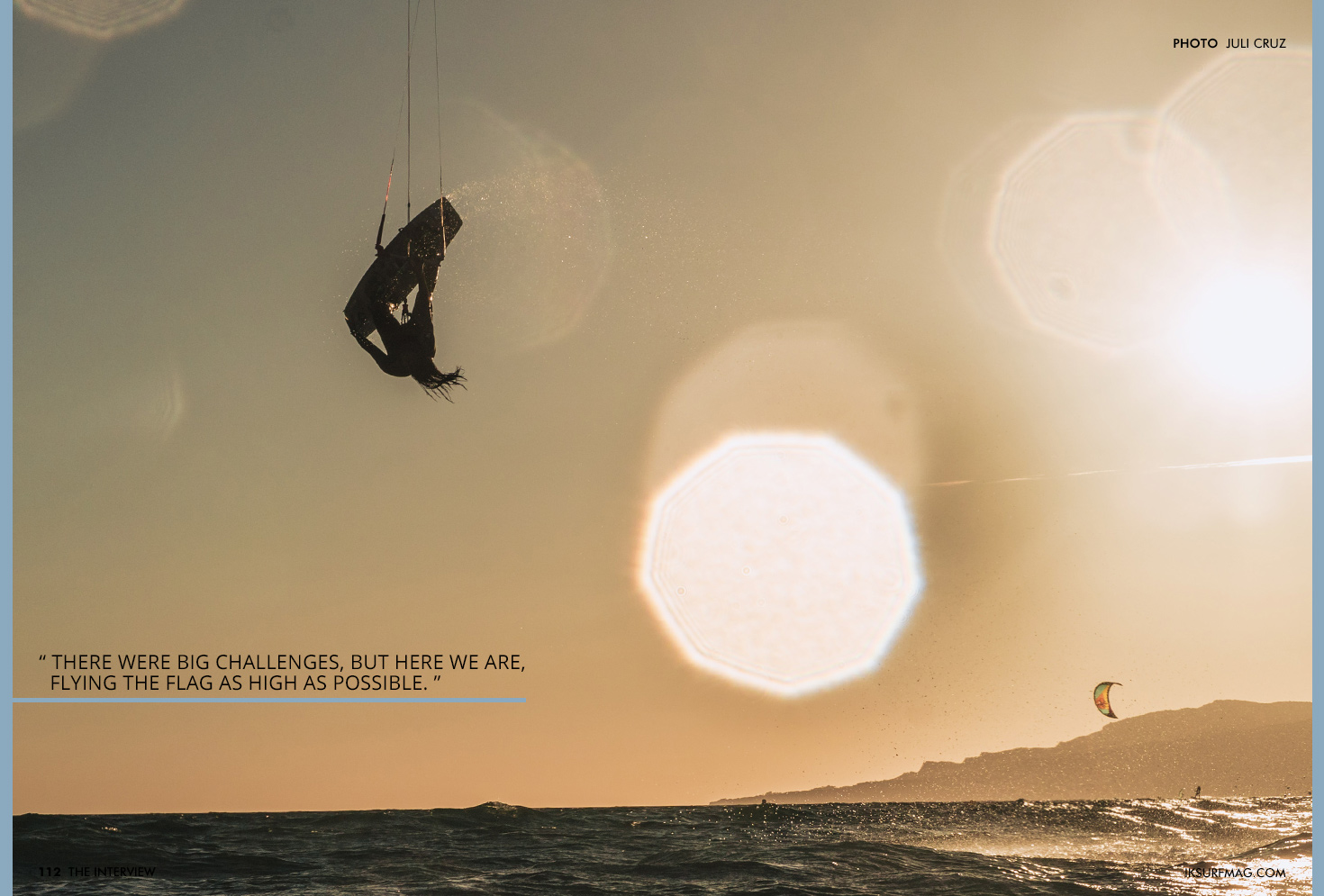
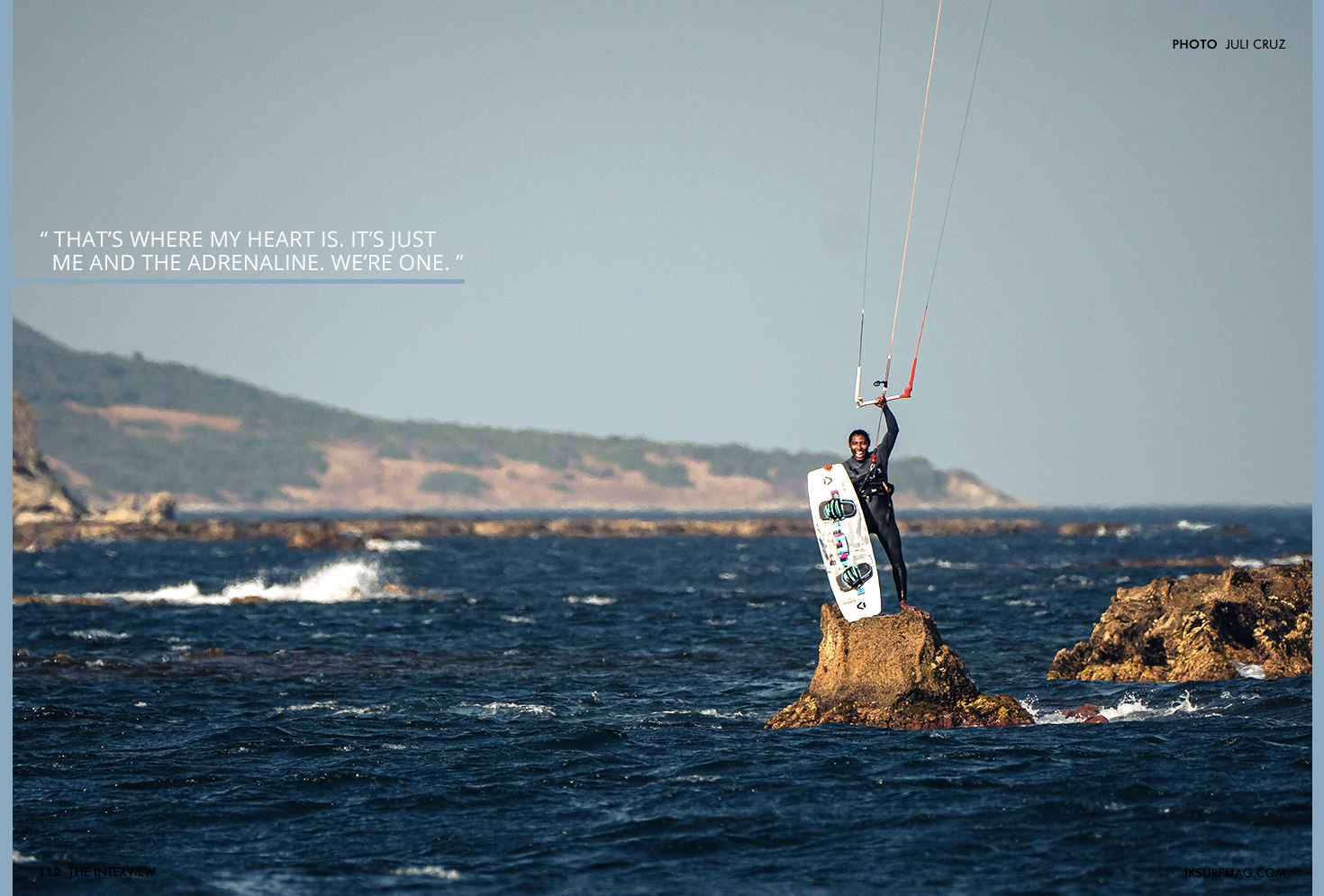
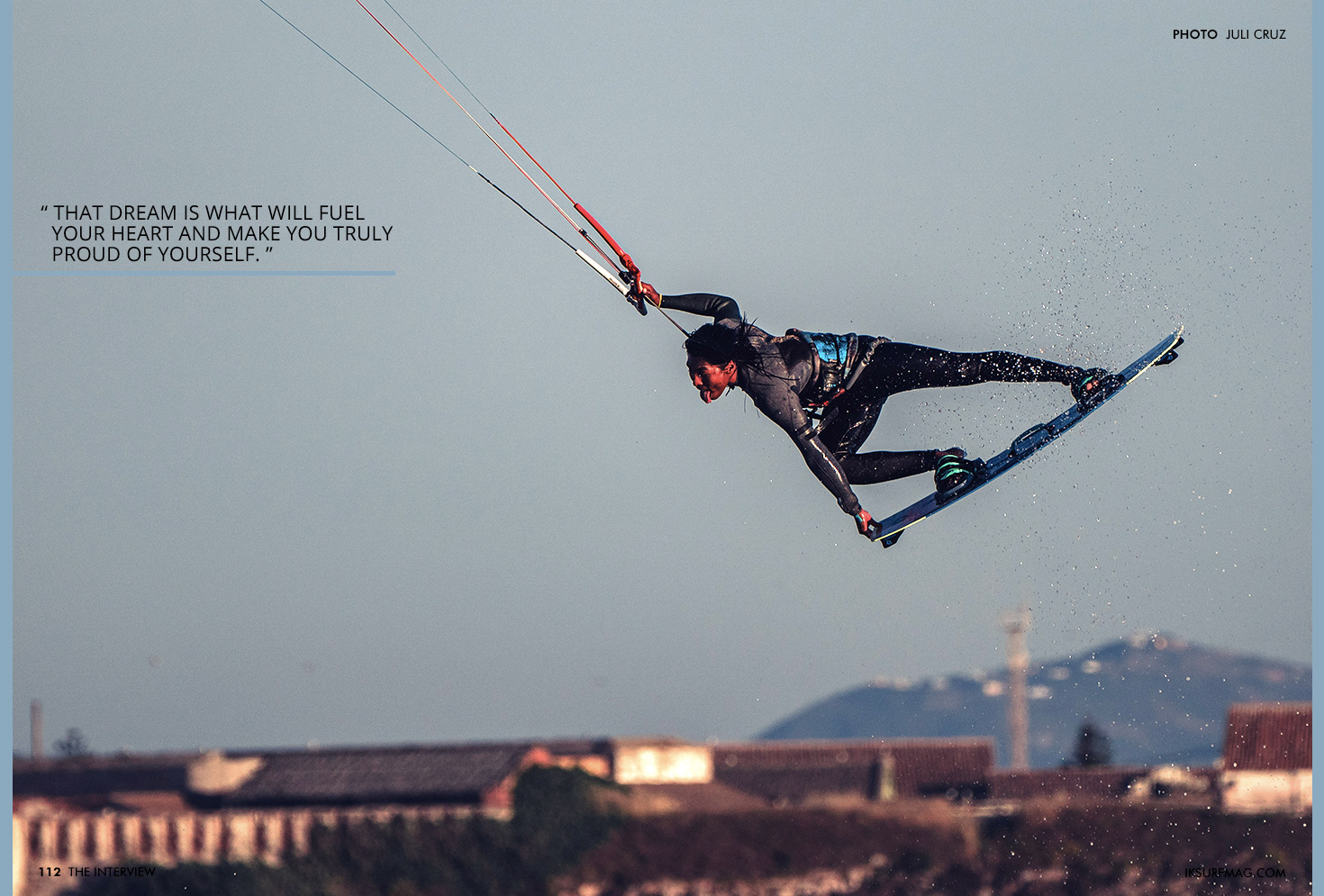
For me, Big Air represents the biggest shift in kiteboarding. Back in the day, it was all about freestyle and racing. When Big Air started gaining attention, I realised I had already been doing it without even knowing what it was. That feeling of being pulled by the wind at 40 kilometres per hour and flying 30 meters high; there’s nothing that compares. I love kiteboarding, but Big Air? That’s where my heart is. It’s just me and the adrenaline. We’re one.
Can you share with us your scariest or most intense session to date?
My biggest dream was always to kite in Cape Town. I wanted to face those massive waves and jump as high as possible. On my first day there, I kited in front of the competition spot at Blouberg, but the wind was light. A few days later, I headed to Cape Point with Andrea Principi and the Duotone team, a three-hour drive, and the wind was howling.
When we arrived, the sand was flying everywhere, and the waves were the biggest I had ever seen. It was actually my first time seeing waves that size, around five meters, and seals surrounded us. One of the first waves broke right on my head, and I lost my board and had to make my way back to the beach. The guys gave me some tips on how to get past the waves, but honestly, I was scared. I was nervous, too, because I didn’t know how the seals would react if I accidentally landed on one. Every jump I went for, I kept praying I wouldn’t get caught by a shark or a seal. That was definitely the scariest session of my life!
Tell us about your sponsors. What do you love most about riding with Duotone, and what is your go-to setup?
What I love most about Duotone is the way they treat you from the moment you join the team. It feels more like a family than just a brand. From preparing you for photo shoots to teaching you how to represent the brand professionally, they really invest in their riders. I learned so much during my time with the Young Blood team in Egypt. It was not just about the riding but also about growing as an athlete and a person. That kind of support and care is something special.
Being part of Duotone also gives you a strong presence in the kiteboarding world. People recognise you. I often hear, “That’s Beto Gómez, the rider from Duotone, one of the best,” and that recognition means a lot to me.
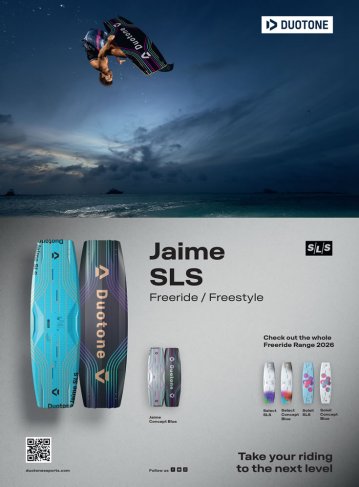
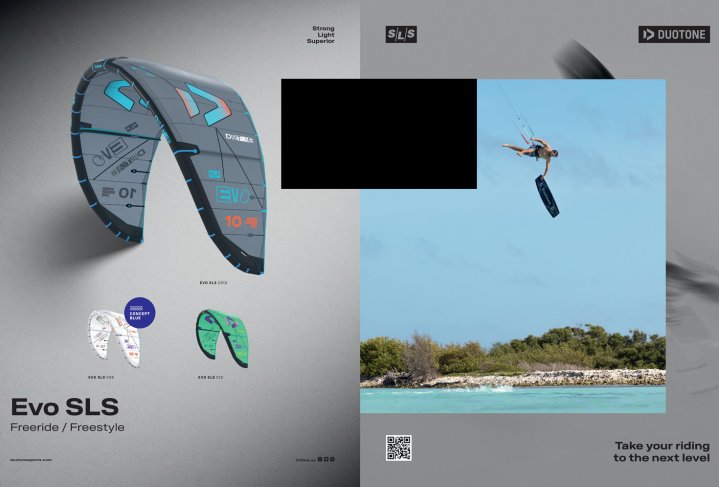
And of course, the gear is amazing. Every kite I test feels like a top-level machine. My go-to setup is the Evo DLAB paired with the Jaime SLS, but lately I have been riding the Evo Concept Blue SLS. The performance has been incredible. Combining those two materials in one kite really makes a difference on the water, and I love that it supports sustainability too. I even broke my personal record with this kite: 30.1 meters in the first session and 32.4 meters in the second session in Tarifa. I am completely in love with this kite and my Jaime SLS.
What does being part of the Duotone and ION teams mean to you?
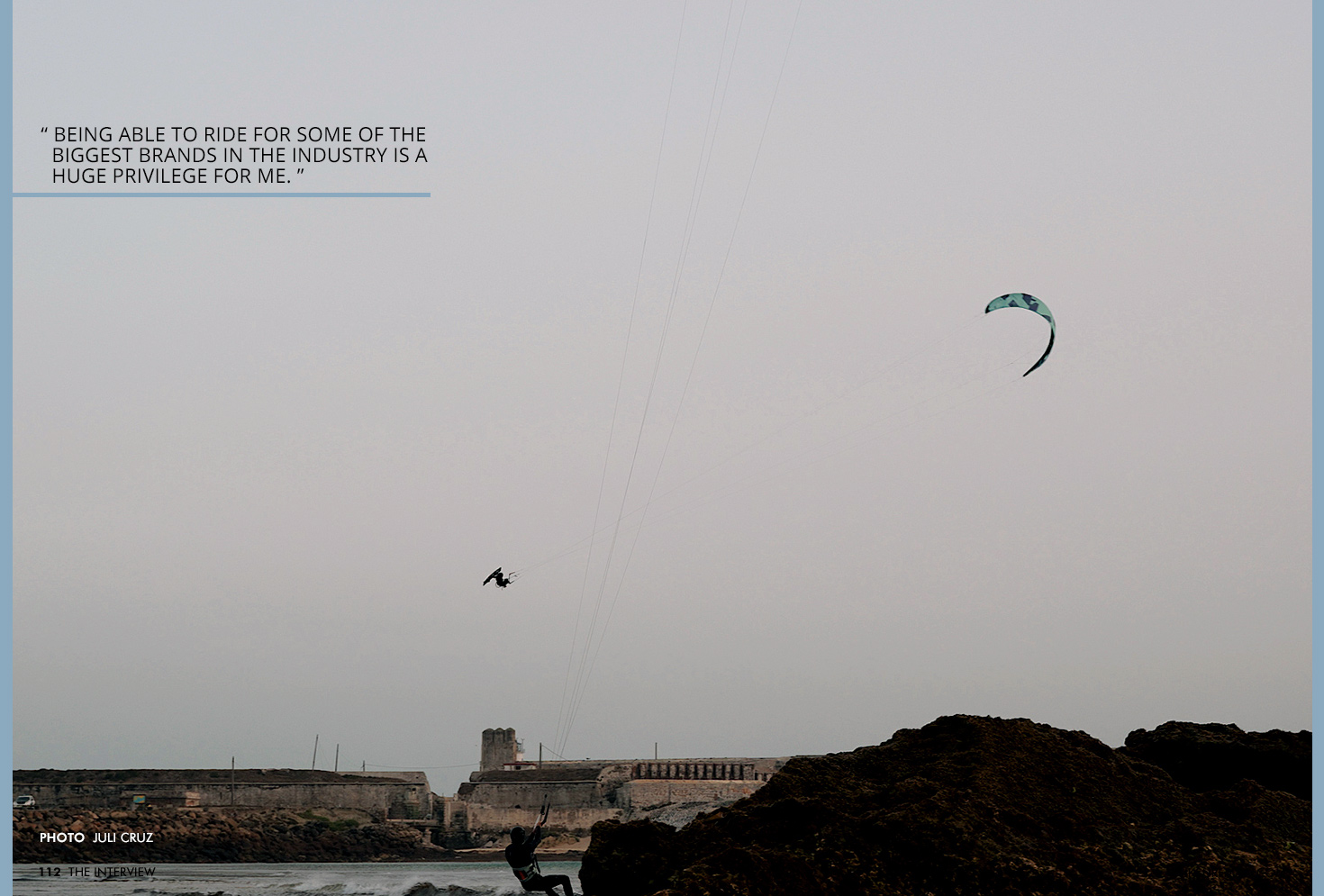
Being able to ride for some of the biggest brands in the industry is a huge privilege for me. Having access to the best gear in the world, getting to be part of product shoots, and then seeing my images featured globally—in shops, kite schools, or even just walking around Tarifa- feels like living in a dream.
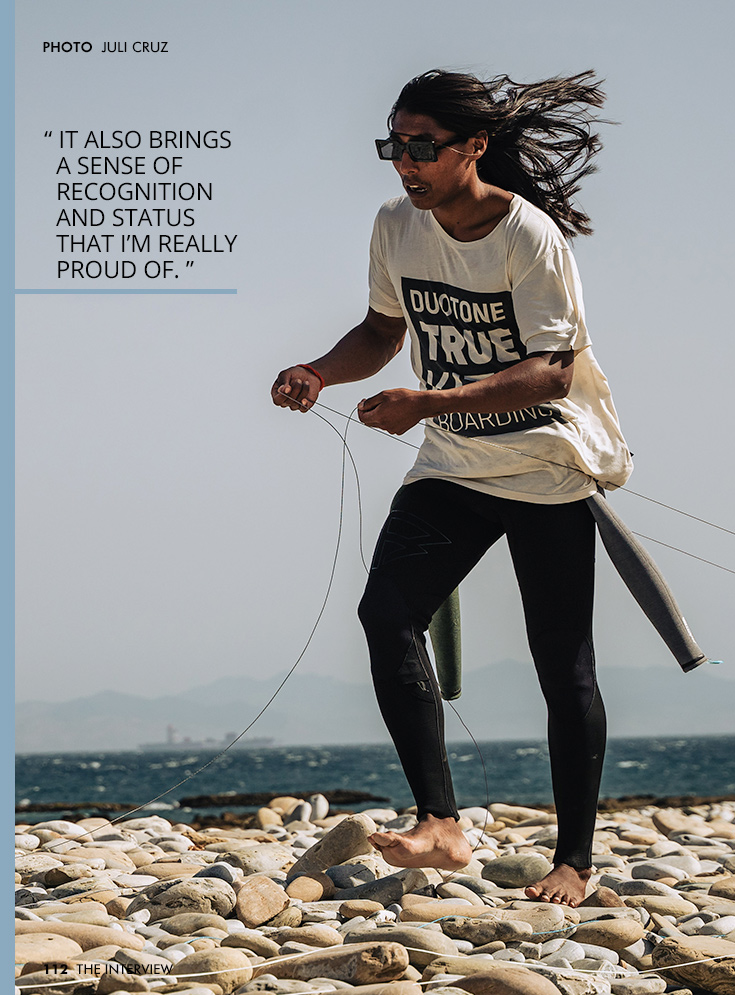
As I mentioned earlier, people already consider me a reference because I’m Beto Gómez, but riding for Duotone and ION elevates my status to another level. Being part of such respected brands gives me that extra edge, and it also brings a sense of recognition and status that I’m really proud of.
What’s been the proudest moment of your kiteboarding career so far?
My biggest achievement in kiteboarding was being able to compete in King of the Air. It’s the most prestigious event in the sport, where the 18 best athletes in the world come together with one goal: to fight for the crown. I was so close to getting it. In my first appearance at KOTA, I finished in 4th place. I couldn’t have asked for more.
If you could send one message to the world, what would it be?
My message to the world is this: “If you have a dream, no matter how many years it takes or how many obstacles you face, never—ever—give up. That dream is what will fuel your heart and make you truly proud of yourself. It’s also what will make your family proud. Keep dreaming—for you, for your family, and for the people who believe in you.”
Beto, thank you for sharing your incredible story with us! It’s been an absolute pleasure.
Thank you so much, Jen, for this space and for giving me the opportunity to share my story with the world!
Videos
By Jen Tyler
Italian/Egyptian Jen Tyler grew up on the sandy beaches of the Red Sea and has been on the IKSURFMAG & Tonic Mag team since 2017.