

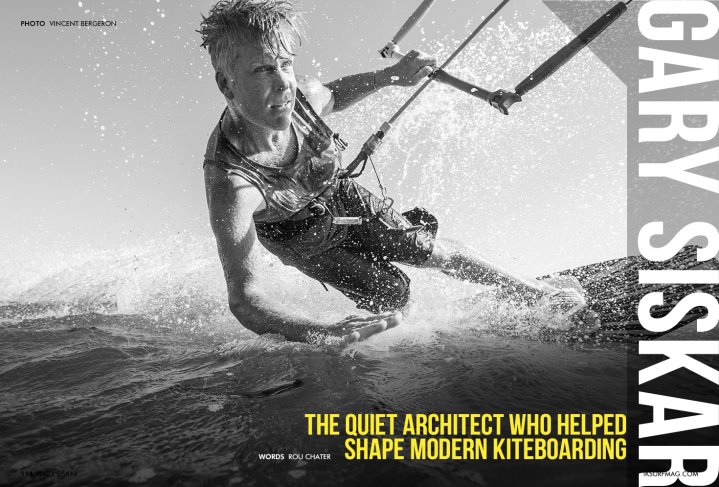
Gary Siskar: The Quiet Architect Who Helped Shape Modern Kiteboarding
Issue 114 / Thu 19th Feb, 2026
Some people shape a sport from the spotlight; others do it quietly, through ideas, innovation and a deep love for the wind. Gary Siskar is the latter. In this episode, we trace his journey from SoCal surf grom to Ride Engine brand leader and explore how his work helped push kiteboarding into the future.
If you’ve been around kiteboarding long enough, you’ve almost certainly felt the influence of Gary Siskar, even if you’ve never heard his name. He isn’t a rider chasing podiums or someone pushing tricks for the camera. Instead, his impact has flowed through the industry in quieter, deeper ways: through brand building, through nurturing new sports before they reached the mainstream, through opening new locations for riders, and through helping launch products that genuinely shifted what was possible on the water.
Backed by a long career across surfing, skateboarding, snowboarding and eyewear, Gary has spent decades inside the beating heart of action sports. But it was his move to Peru, his eventual transition into kiteboarding, and his influence on foil development that cemented his place in the modern story of our sport. His journey is unusual, full of unexpected turns, but every chapter seems to have pushed kiteboarding forward in some way.
From SoCal Surf Grom to Action-Sports Professional
Gary grew up in Southern California at exactly the right moment. The surf and skate scene of the 1980s was exploding, with brands like Quiksilver, Gotcha and Billabong transforming beach culture into a global industry. While his parents may have hoped for organised sports, Gary was already drifting toward a different kind of life, beach mornings with friends, skating in the afternoons, and working at surf shops as soon as he was old enough to have a job.
The surf shop environment played the same role it has for generations: a frontline apprenticeship in product, culture, customer behaviour and crew dynamics. That grounding helped set him up for the opportunity that changed his career path. One afternoon, after a surf with his best friend’s father, Greg Arnett, founder of Arnett sunglasses and former Oakley eyewear lead, Gary was asked what he planned to do with his life. He didn’t really know. So Greg made it simple: come work for me.
That moment launched Gary into the world of global action sports business. At Arnett he worked his way from customer service to sales, then all the way up to global marketing director. He lived through two major corporate buyouts, first by Bausch & Lomb and later by Luxottica, the eyewear giant behind Ray-Ban and countless other global brands. Those transitions exposed him to the inner mechanics of scaling, selling, restructuring and repositioning brands, lessons that would prove invaluable later.
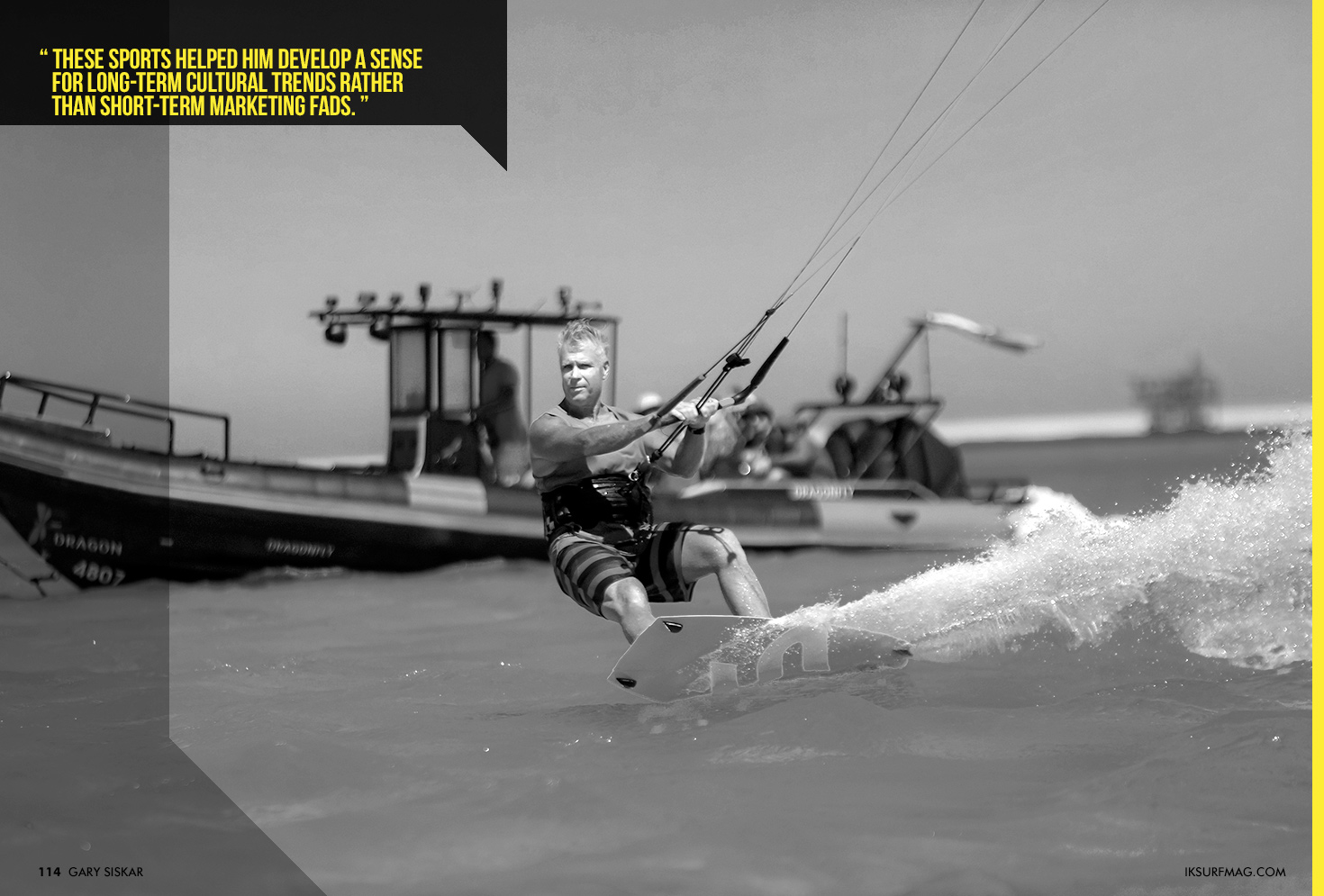
From there, he moved into skate and snow, working with Etnies, 32 Snowboard Boots and other footwear brands under the Sole Technology umbrella. It fit perfectly with his passions: he was a devoted skater, surfer and snowboarder, and the crossover between these sports helped him develop a sense for long-term cultural trends rather than short-term marketing fads. That wider perspective proved crucial when he eventually discovered kiteboarding.
Peru: The Unexpected Birthplace of His Kiteboarding Chapter
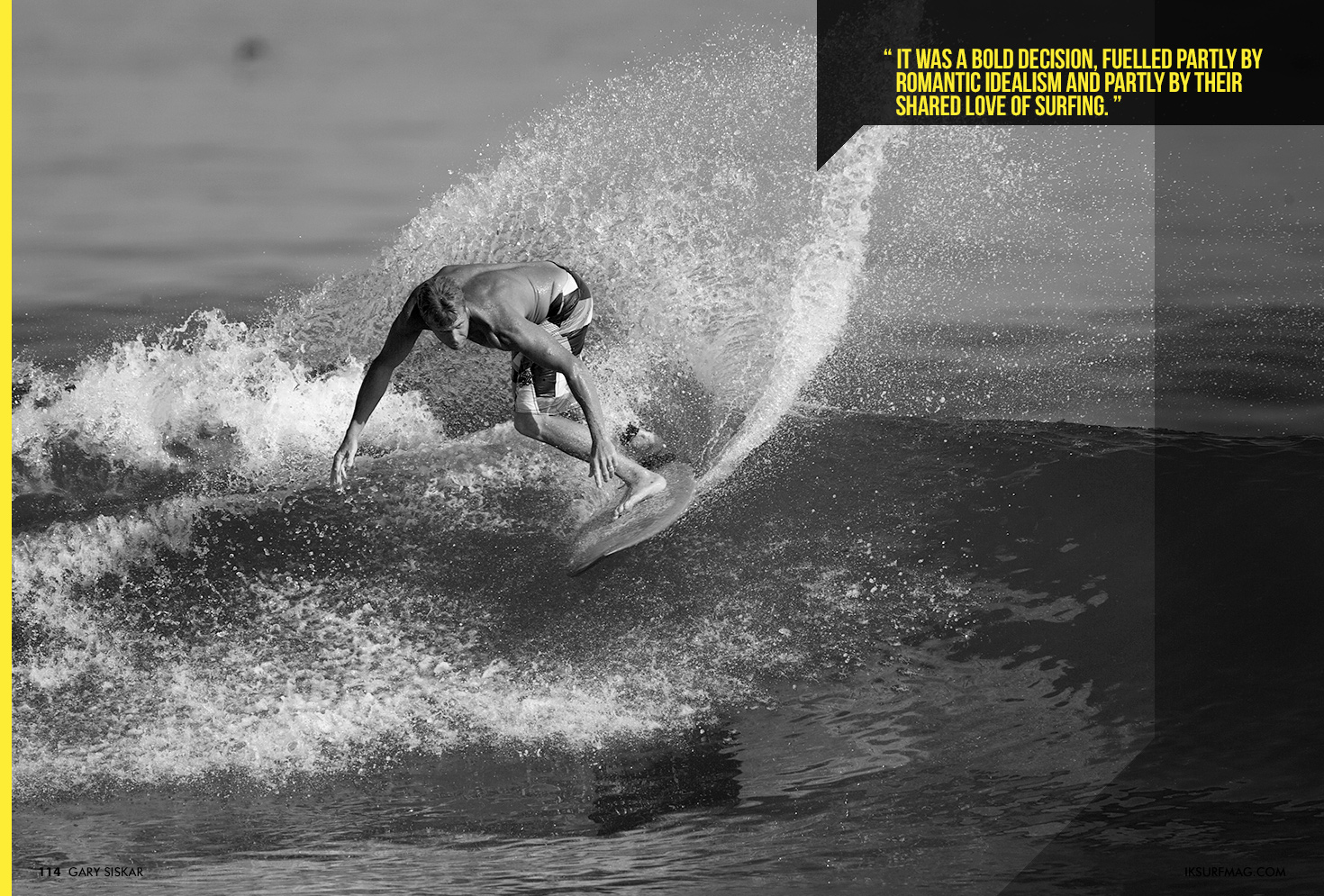
The biggest plot twist in Gary’s life came when he and his wife decided to step away from their established careers and start again somewhere entirely different. They moved to northern Peru, bought land in Máncora, and built a small yoga-and-wellness beachfront retreat. It was a bold decision, fuelled partly by romantic idealism and partly by their shared love of surfing.
But northern Peru had another surprise waiting: wind. A lot of it. Around 250 days a year in some spots.
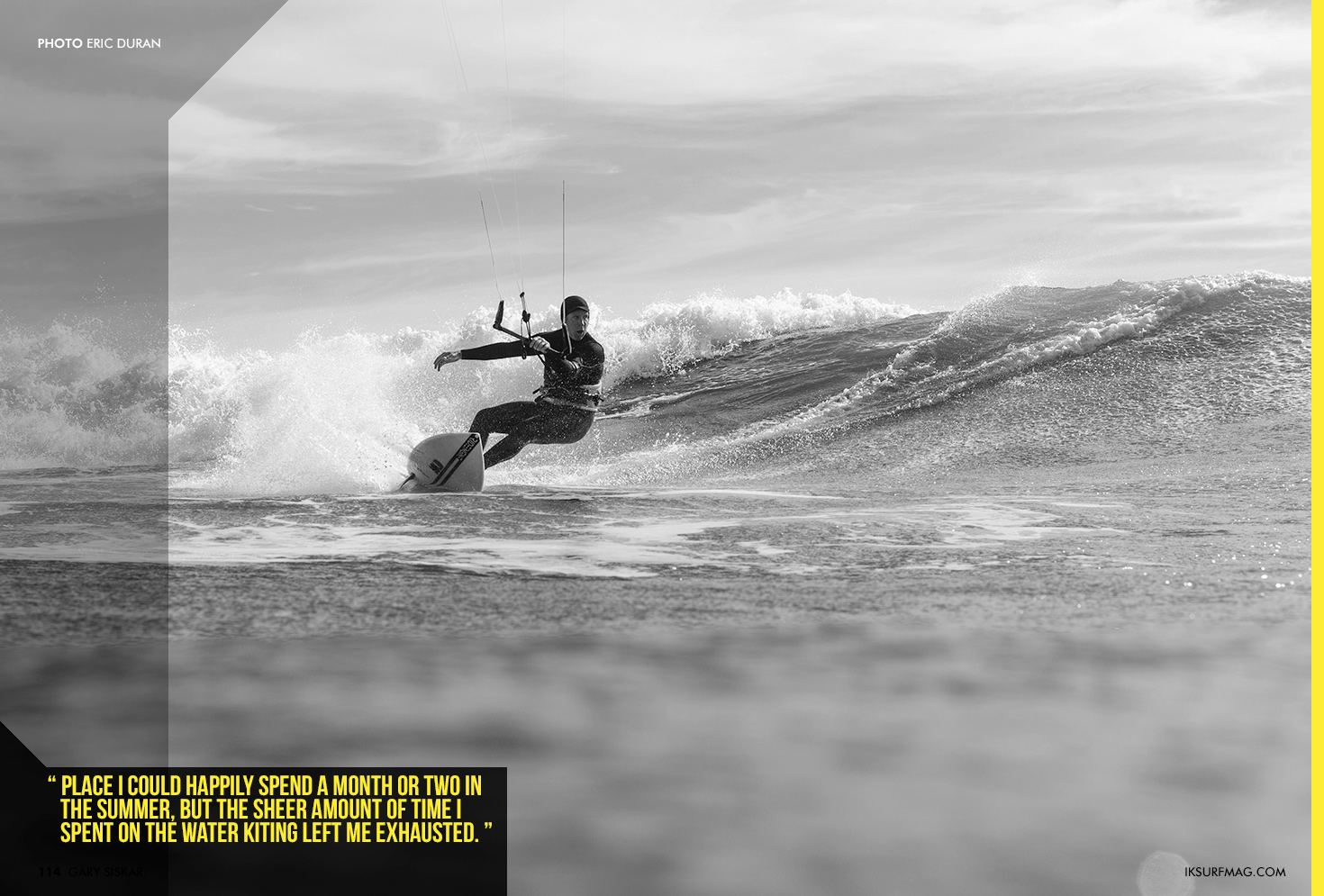
His local friends were already kiteboarding when he arrived, and the shift happened quickly. Like most surfers, Gary had spent most of his life wishing for no wind. But in Peru, surrounded by friends who were equally passionate about both surfing and kiting, something flipped. They began to want wind more than perfect glass. They discovered that riding those long left-hand points with a kite opened new lines and new sensations that surfing alone couldn’t offer.
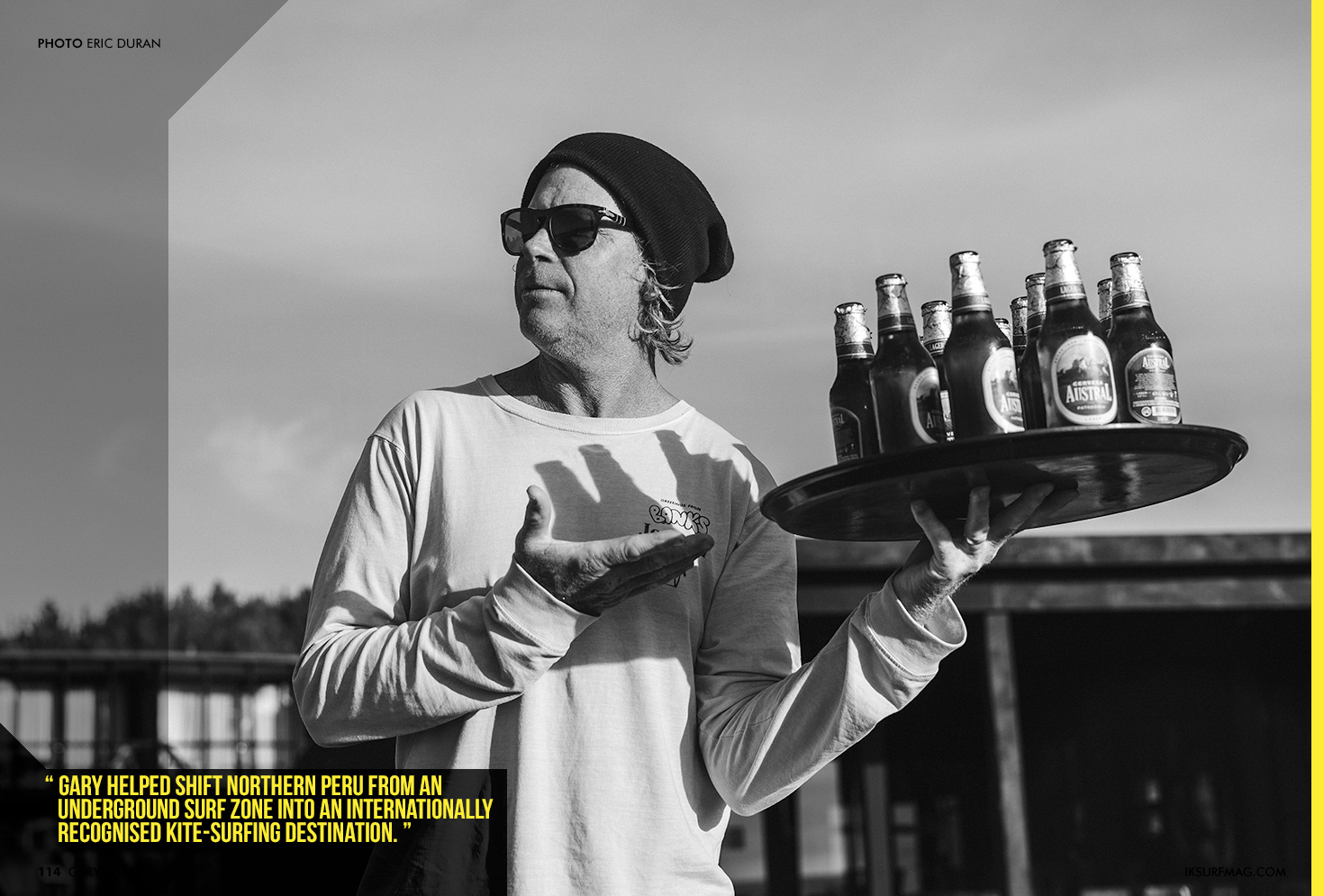
What happened next may be one of Gary’s more underrated yet significant contributions to kiteboarding. He and his wife began inviting riders, photographers, and brands to stay at their retreat and explore the coastline. They knew how special the region was, and how untouched many of its breaks remained. Slowly, word began to spread.
One of the first visitors was UK rider Jo Wilson, whose early magazine coverage helped put Peru on the kiteboarding map. Shortly afterwards, André Phillip, Elliot Leboe and Pete Cabrinha came to film sections for Catalyst, showcasing flawless lefts under perfect cross-shore wind. Those images became iconic. For many kiters, that was the first time they’d ever seen Peru through a wind-sport lens.
At the time, places like Lobitos were still virtually untouched. You could have six-to-eight-foot, ruler-edge lefts with 25 knots of wind and not a single other person out. By hosting riders and filmers at exactly the right moment, Gary helped shift northern Peru from an underground surf zone into an internationally recognised kite-surfing destination. Today, the area is far more developed, but at the time, it was wild, raw and perfect.
The Foil Fish and the Opening of a New Era
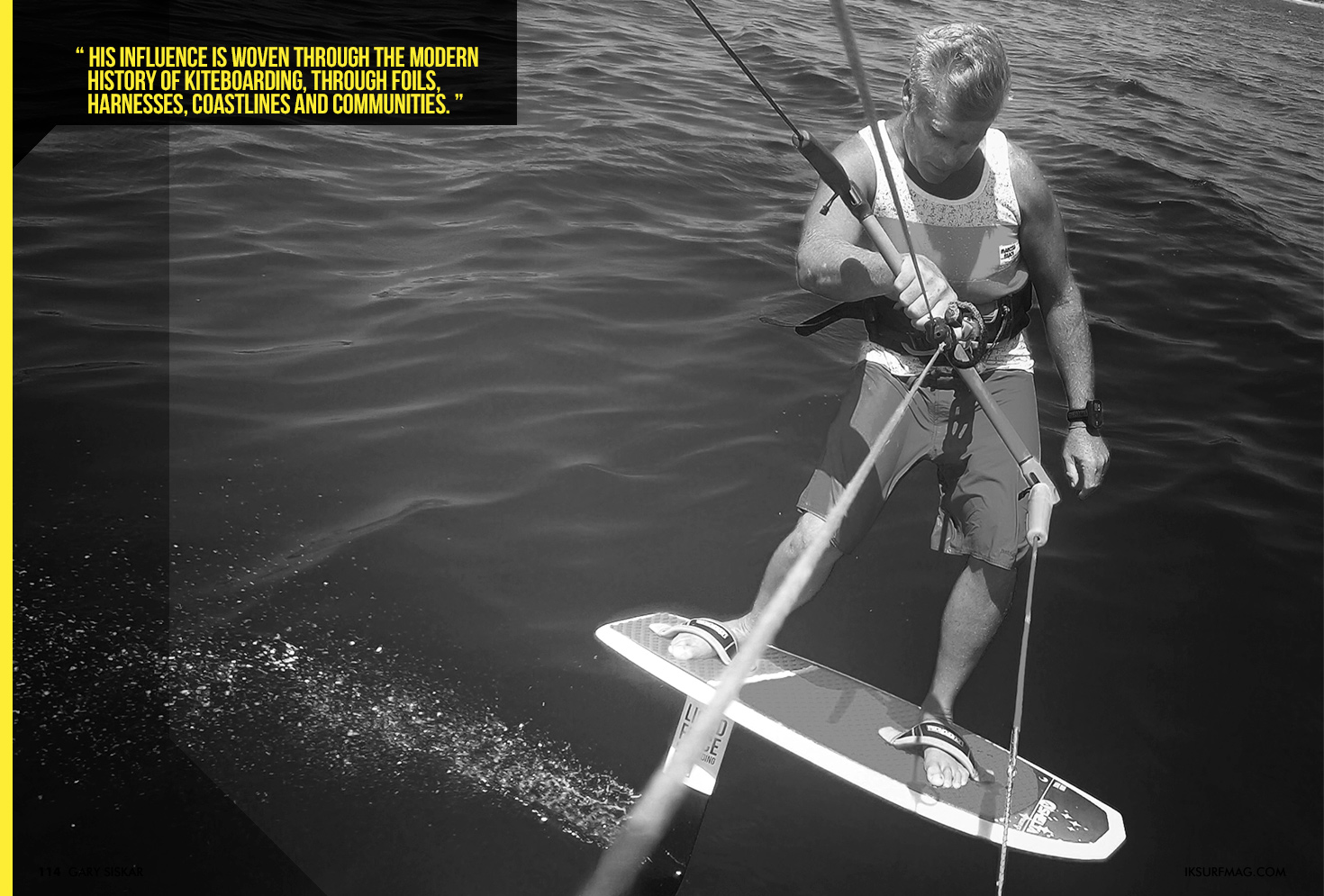
If there’s one chapter of Gary’s career that had a tangible, measurable impact on the sport and massively on me, too, it’s his involvement in the development of the Liquid Force Foil Fish, the first truly accessible, mass-market hydrofoil for kiteboarders.
Before 2014, kite foiling existed, but rit was a really fringe side of the sport, favoured by the course racers and a few outliers. The only foils available were expensive, full-carbon race foils with tiny wings and extreme speeds. They were difficult to ride, often terrifying, and made by only a handful of boutique manufacturers. Prices were high, waitlists were long, and unless you were a racer or an industry insider, getting your hands on one was almost impossible.
The breakthrough came on a Liquid Force trip to Maui. Brandon Scheid had managed to get hold of an early Lift race foil, bolted it to a wakeskate, a brutally difficult setup, and somehow made it work. The rest of the crew, including Gary, Jason Slezak, Julian Fillion and Greg Gnecco, began experimenting with borrowed foils, taking beatings, learning just enough to feel the magic, and realising they were looking at the future.
Back on the mainland, the team tried to acquire more hydrofoils, only to run into a wall: long wait times, high prices, unreliable communication, and limited availability. For a sport that already struggled with accessibility, it was obvious something had to change.
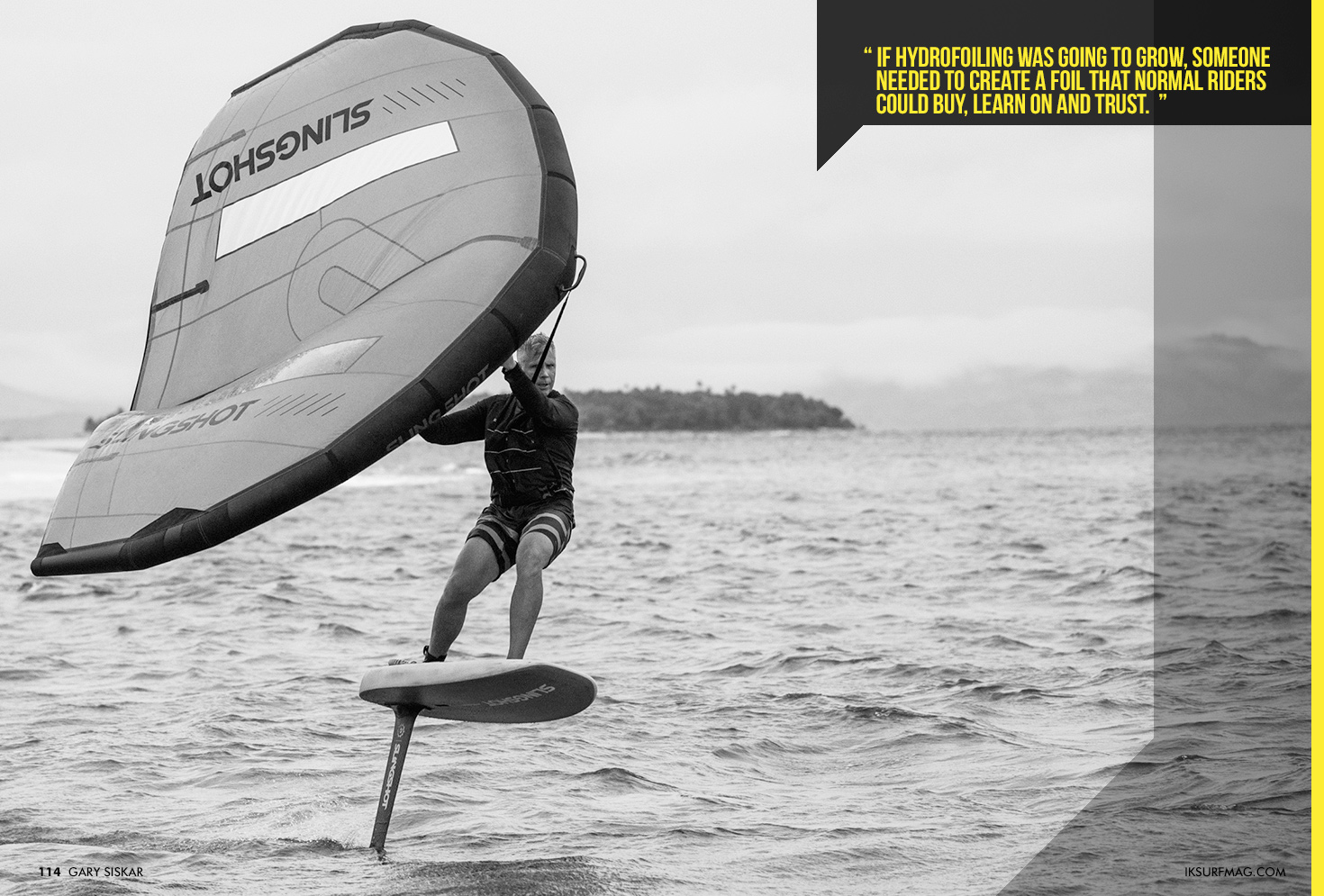
Gary and the team framed the problem clearly: if hydrofoiling was going to grow, someone needed to create a foil that normal riders could buy, learn on and trust. It needed to be built in affordable materials like aluminium, use forgiving low-aspect wings, and come in at a price that didn’t demand a second mortgage.
Julian began shaping prototypes. The team searched for manufacturing partners. Some doors slammed shut; others opened. Eventually, they found a vendor willing to experiment. They tested relentlessly, crashing, tweaking, and re-testing until the Foil Fish design was ready.
When the product launched in 2015, it became a turning point. The Foil Fish didn’t just introduce riders to hydrofoiling; it changed the trajectory of the sport. Riders who had reached a plateau with their twin tips or had perhaps drifted away from kiteboarding entirely suddenly had a reason to come back. The Foil Fish unlocked marginal-wind sessions and brought the magic of the glide to a mainstream audience.
Other brands took notice. Slingshot built the Hover Glide platform, which remains one of the most popular foil ecosystems in the world. Soon, foiling spread not just through kiteboarding but into SUP, surf and eventually the discipline that reshaped the entire industry: wing foiling.
That widespread adoption began with the simple idea that foiling shouldn’t be limited to the elite. Making it accessible was the spark.
Hood River and the Evolution of a Multi-Sport Mindset
After leaving Peru, Gary was offered a job at Anon under the Burton umbrella. He returned to Southern California, but when Burton consolidated operations in Vermont, he made another key decision: he didn’t want to relocate. Around the same time, Tony Finn from Liquid Force called, inviting him to grow the wind division. Gary accepted and eventually relocated to Hood River.
Hood River is one of the most unique places on earth for progression in wind sports. Community is tight. Innovation is constant. If something new is coming, park riding, foiling, winging, downwind, Hood River is usually one of the first places where it takes off.
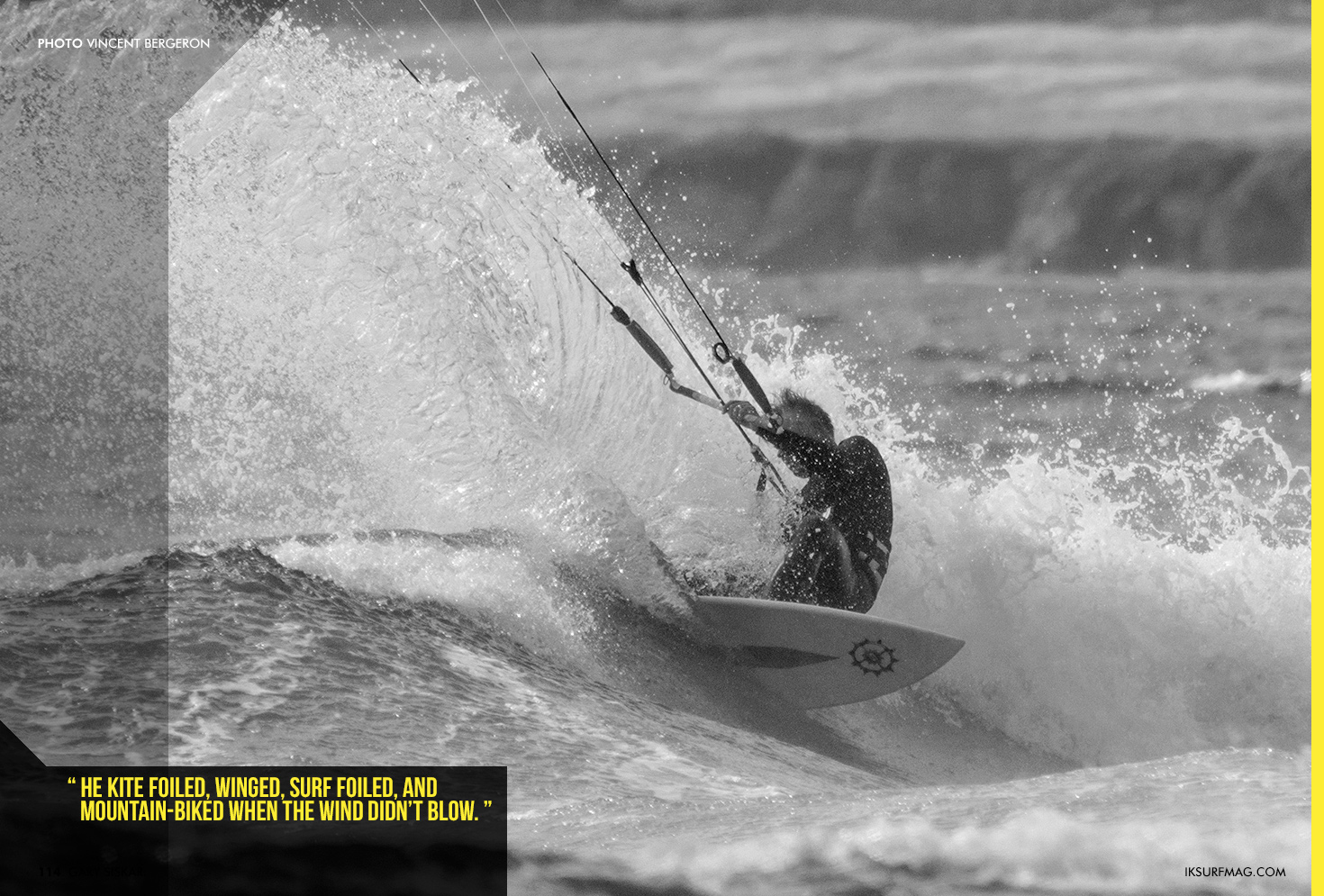
Living in that environment helped Gary stay connected to the real-world evolution of the sport rather than viewing it through spreadsheets and presentations. He kite foiled, winged, surf foiled, and mountain-biked when the wind didn’t blow. His awareness of how different sports fed into each other kept him ahead of trends and helped him steer brands toward what riders actually wanted. Living and breathing the sports right on the shores of the Columbia River Gorge was the key to success.
Carrying the Spirit of Ride Engine Forward
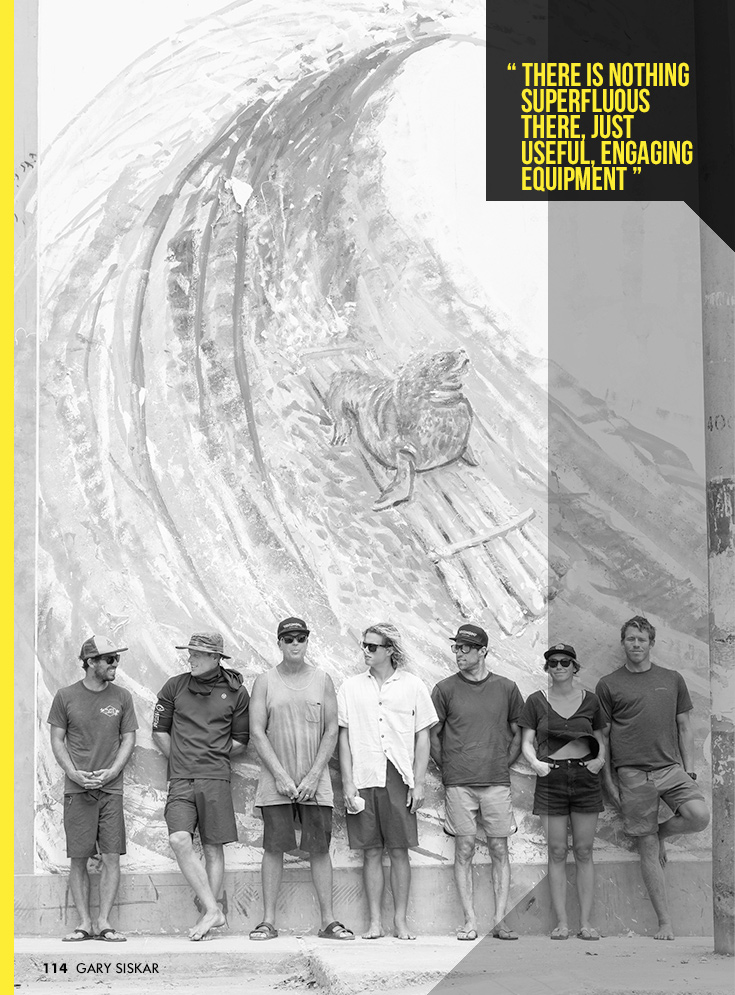
Today, Gary is the global brand manager for Ride Engine, the accessories brand born from Coleman Buckley’s homemade carbon hardshell harnesses. Ride Engine helped redefine what a harness could be: rigid, supportive, locked-in and built around the rider’s anatomy. It changed the industry so thoroughly that almost every major brand now has a hardshell line inspired by Coleman’s original idea.
Gary’s role wasn’t to invent the hardshell; that accolade belongs to Buckley, but to grow the brand without diluting the philosophy behind it. That’s a harder task than it sounds. Many brands lose their soul when scaling. Gary’s job has been to honour that origin story, translate it into broader product ranges and ensure Ride Engine remains a rider-first brand with a clear identity.
When you look at the product line, you can see that his vision is clear, the Ride Engine products all serve an exacting purpose, there is nothing superfluous there, just useful, engaging equipment to help make our sessions better.
A Lasting Influence on a Sport Still in Motion
It’s difficult to pinpoint one single contribution that defines Gary’s influence on kiteboarding. Instead, his impact is spread across moments, decisions and connections that shaped the sport over the years.
He helped showcase northern Peru to the world at a pivotal moment. He was part of the team that made kite foiling accessible to everyday riders. He helped push Ride Engine from a garage-born idea into a global force in harness design. He embraced winging early and understood how new disciplines could revitalise the sport. And throughout it all, he remained passionate, curious and deeply connected to the riding experience.
Some people shape a sport by landing the biggest tricks. Others do it quietly, behind the scenes, by opening new doors and nudging the culture forward. Gary Siskar belongs firmly to the second group. His influence is woven through the modern history of kiteboarding, through foils, harnesses, coastlines and communities.
If you’ve ever glided above the water on a foil, carved a side-off wave with a kite, or tightened a hardshell harness around your waist, there’s a good chance that somewhere, indirectly, you’ve felt the effects of the work he’s done.
Videos


By IKSURFMAG
