

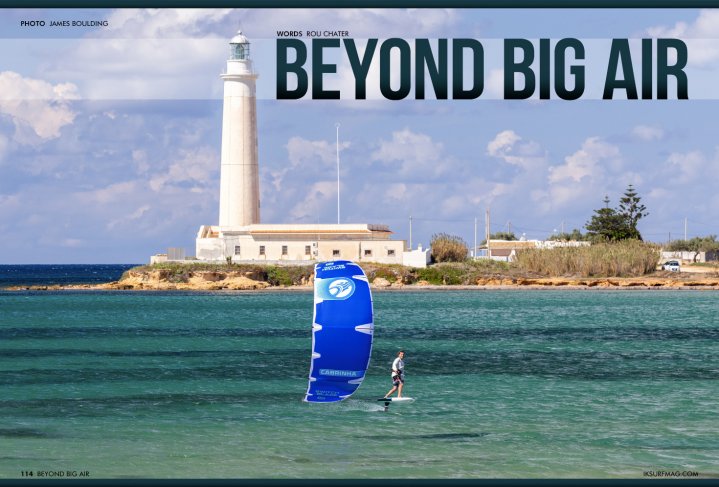
Beyond Big Air
Issue 114 / Thu 19th Feb, 2026
Kiteboarding has never been just one thing. Yet right now, it feels like we are in danger of forgetting that. In chasing progression, numbers and extremes, the sport has narrowed its focus, even though its greatest strength has always been versatility. This is a reminder of where kiteboarding came from, where it has been, and why its future depends on embracing everything it allows us to do on the water.
If you are reading this article, you are one of the lucky few who have persevered and found your way into this incredible sport we all love. Kiteboarding is not for the faint-hearted. I am sure you have had your fair share of mishaps and near misses. I certainly have. We are fortunate to have one of the most versatile watersports on the planet at our fingertips. So why is it that we sometimes pigeonhole ourselves into one narrow corner of the sport, often at the expense of the pure enjoyment kiteboarding offers in so many different situations?
Kiteboarding has been around for over a quarter of a century now. Just writing that feels strange to me and probably gives my age away, considering I was there at the start. In that time, the sport has taken on many different forms, yet right now it feels as though most riders are stuck in a single discipline. That focus has naturally filtered through to the brands as well. After all, it makes commercial sense to follow the zeitgeist and go where the sales are, especially after the industry has endured such a turbulent period.
Having spoken to most of the major brands over the last couple of months, it has been genuinely refreshing to hear stories that suggest the sport is coming out of the woods and starting to see growth again. We are not fully there yet, but the green shoots of recovery are visible, and that is encouraging. Another recurring theme in these conversations, which I found particularly heartening, was a shared desire to refocus on kiteboarding as a whole.
What do I mean by that? You may well recognise this yourself. I know plenty of riders who do. The industry certainly does. Over the last five years, and especially the last two or three, the sport has become laser-focused on big air. It has been all-consuming. While that focus has brought many positives, it has also created some unintended negatives. As it turns out, you really can have too much of a good thing.
The resurgence of big air has had a huge impact on kiteboarding. Sparked in part by the rise of the WOO device and app, and coinciding with the return of the King of the Air, big air suddenly became cool again. For those newer to the sport, it is worth remembering that big air was where kiteboarding began. The first Red Bull KOTA was held in 2001, and the last of that era was held in 2005. I was lucky enough to be in Maui for that one! Jumping was the reason I got into kiting. I had a long history in windsurfing, but blew my knee out doing stalled forwards in 1998. After a lengthy recovery from surgery, the art of flight with a kite felt more exhilarating and far lower impact than trying to land big forward loops on a windsurfer.
In the early days, kiteboarding was all about going big. Pioneers were flying through the air with varying degrees of control and success, but the objective was clear. Jumping high was the point, and the rush was addictive. It was also relatively easy. Certainly easier than windsurfing. Within weeks rather than years, riders could boost higher than they ever could on a windsurfer, and that accessibility was a huge part of the appeal; landing the jump was another matter.
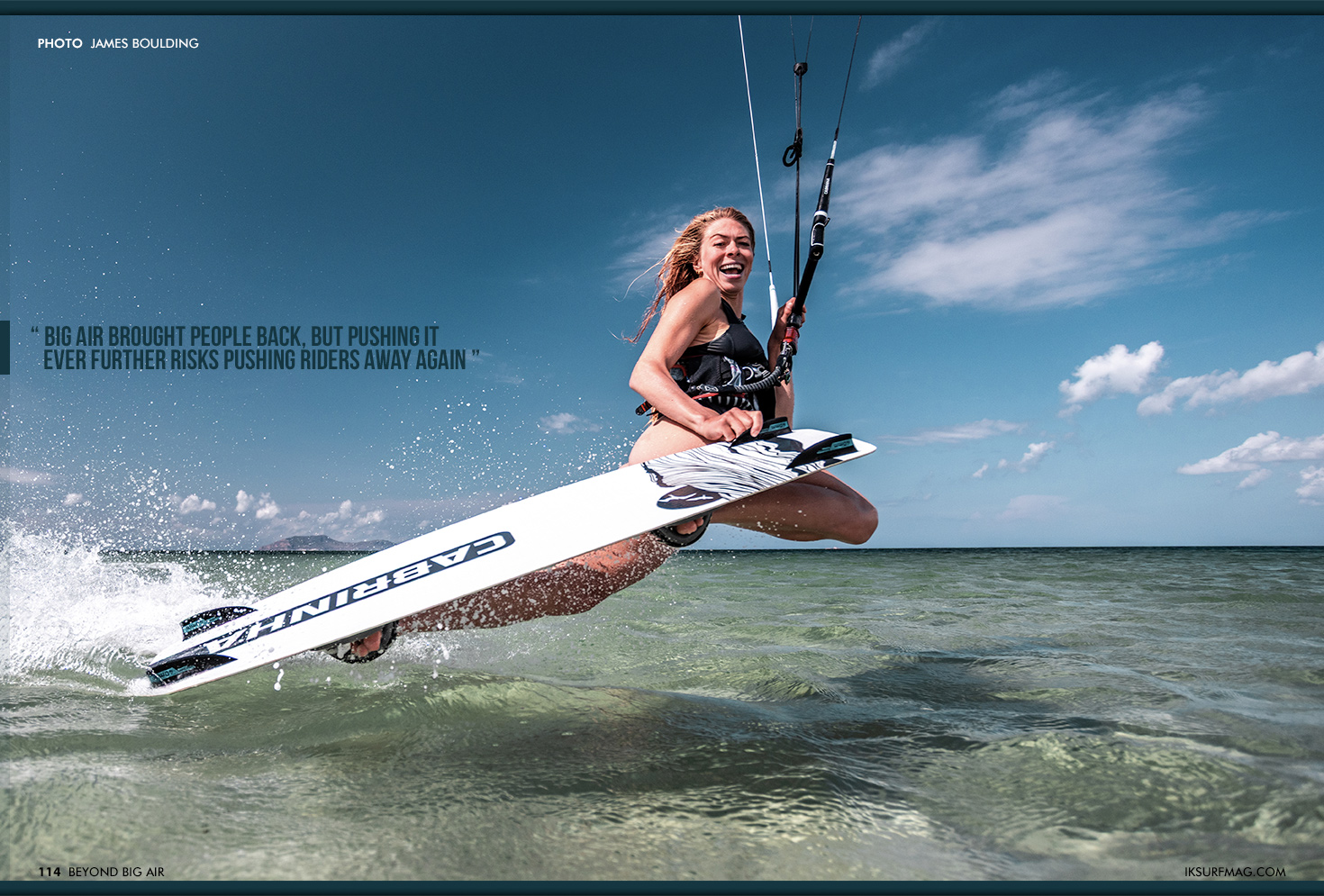
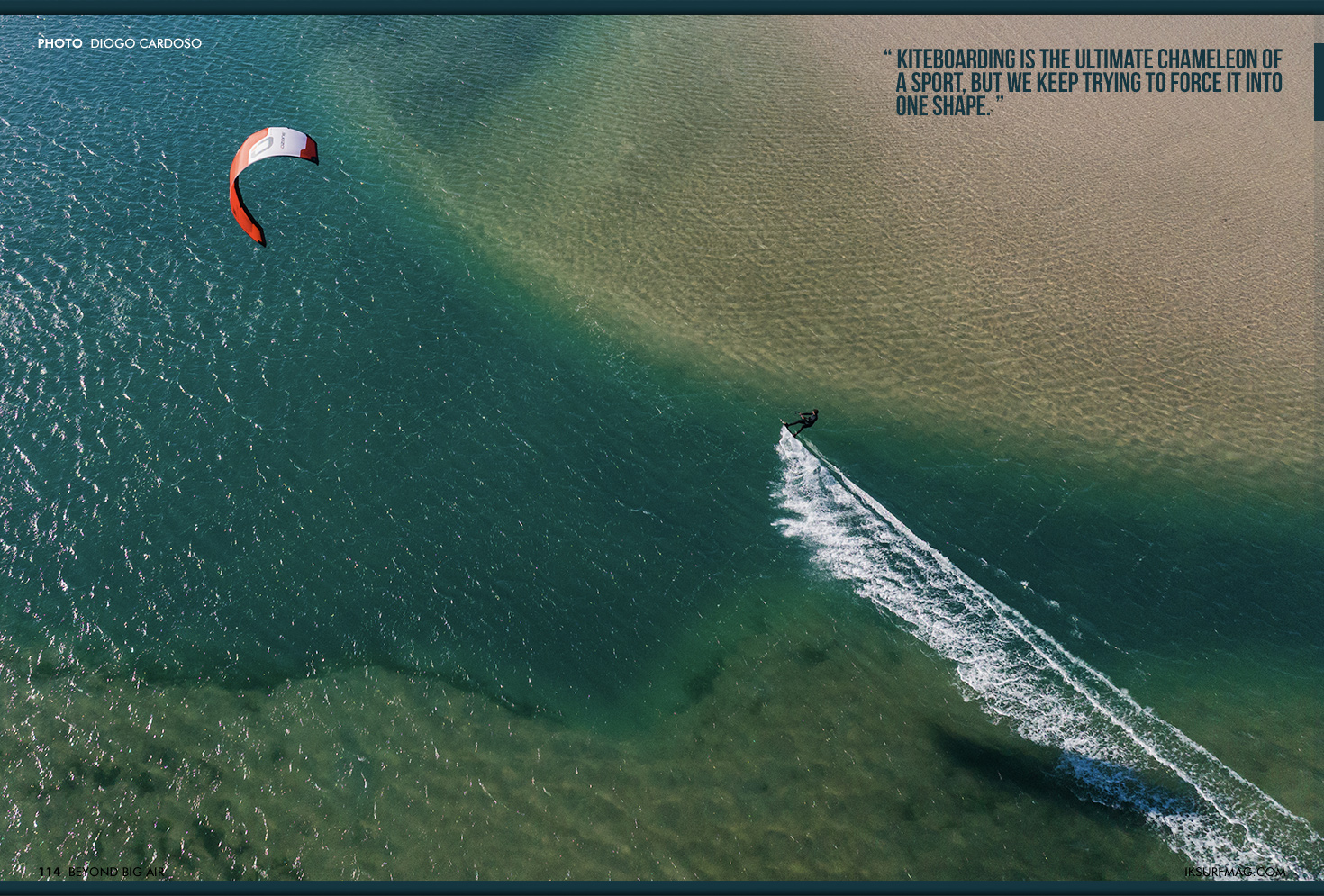
As I have said many times before, kiteboarding is the ultimate chameleon of a sport. After a few years of big air dominance, freestyle evolved, adopting a wakestyle approach championed by riders like Lou Wainman, Elliot Leboe, Mauricio Abreu and Andre Philipp. When Aaron Hadlow brought this style into the competition arena in the mid 2000s, he was unstoppable. What had once been fringe suddenly became the new norm.

During this period, freestyle was everything. Sending the kite was almost criminal. In competitions, if the kite moved or was not locked to the water’s edge, it simply was not worth scoring. As kiters, we effectively abandoned the very element that had defined the sport and embraced something new. The industry, the riders, and the weekend warriors all bought into it. I know many kiters who spent years, and I mean years, trying to land a raley to blind or a back mobe.
These were basic freestyle tricks by definition, but in reality, they were brutally hard, demanding hundreds of hours of practice. For many riders, this intensity became a barrier. When the sport’s narrative revolved almost entirely around these moves, it was easy to feel left behind. Then came the surfboard and the rise of strapless freestyle, championed by riders like Mitu Monteiro and Airton Cozzolino in those early days. Once again, the industry followed. By the mid 2010s, there was a period where twin tips were outsold by surfboards, something that had once seemed unthinkable.
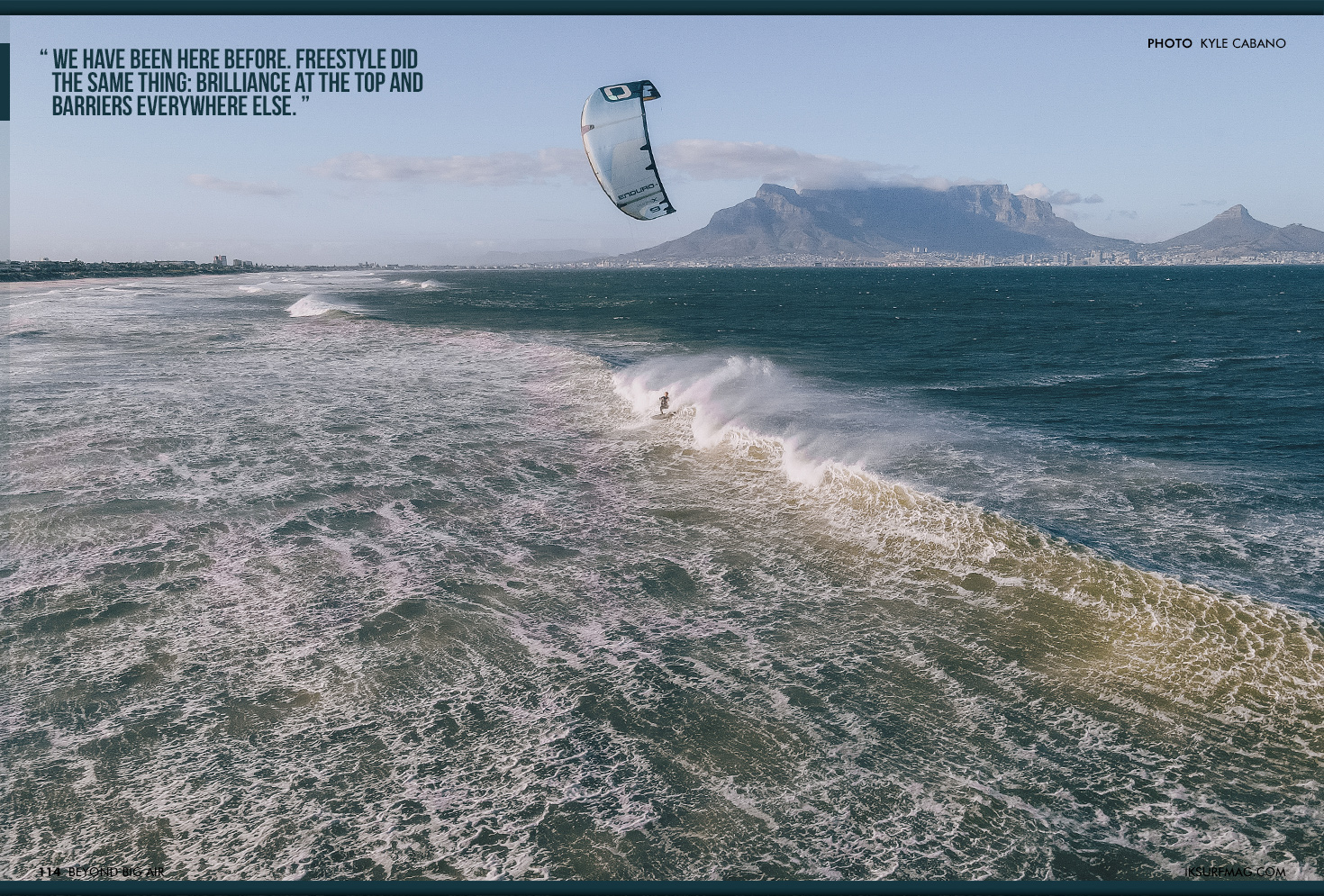
Tarifa, one of the great barometers of our sport, suddenly filled with kiters riding surfboards and trying to master strapless tricks, despite the lack of decent waves. It was bizarre, but hugely popular. Naturally, the industry leaned in until the foil arrived, shifting the landscape once more.
Does anyone else remember the period around 2018 and 2019, when kite foiling seemed to dominate everything? Everyone was foiling, and the sport was booming. At the same time, big air continued its steady rise. Freestyle was hard. Strapless freestyle was hard. Kite foiling was hard. When the media and industry push a narrative that demands constant water time and high skill levels, it is easy for riders to become disillusioned.
Big air changed that. Sending the kite and boosting were the original buzz of kiteboarding, and crucially, it was accessible. Anyone who can ride back and forth can start jumping. Going truly big is difficult, of course, but getting airtime is within reach for most riders. Add the WOO, the competition with friends, and the gamification of progression, and suddenly, people who had drifted away from the sport were coming back in droves.
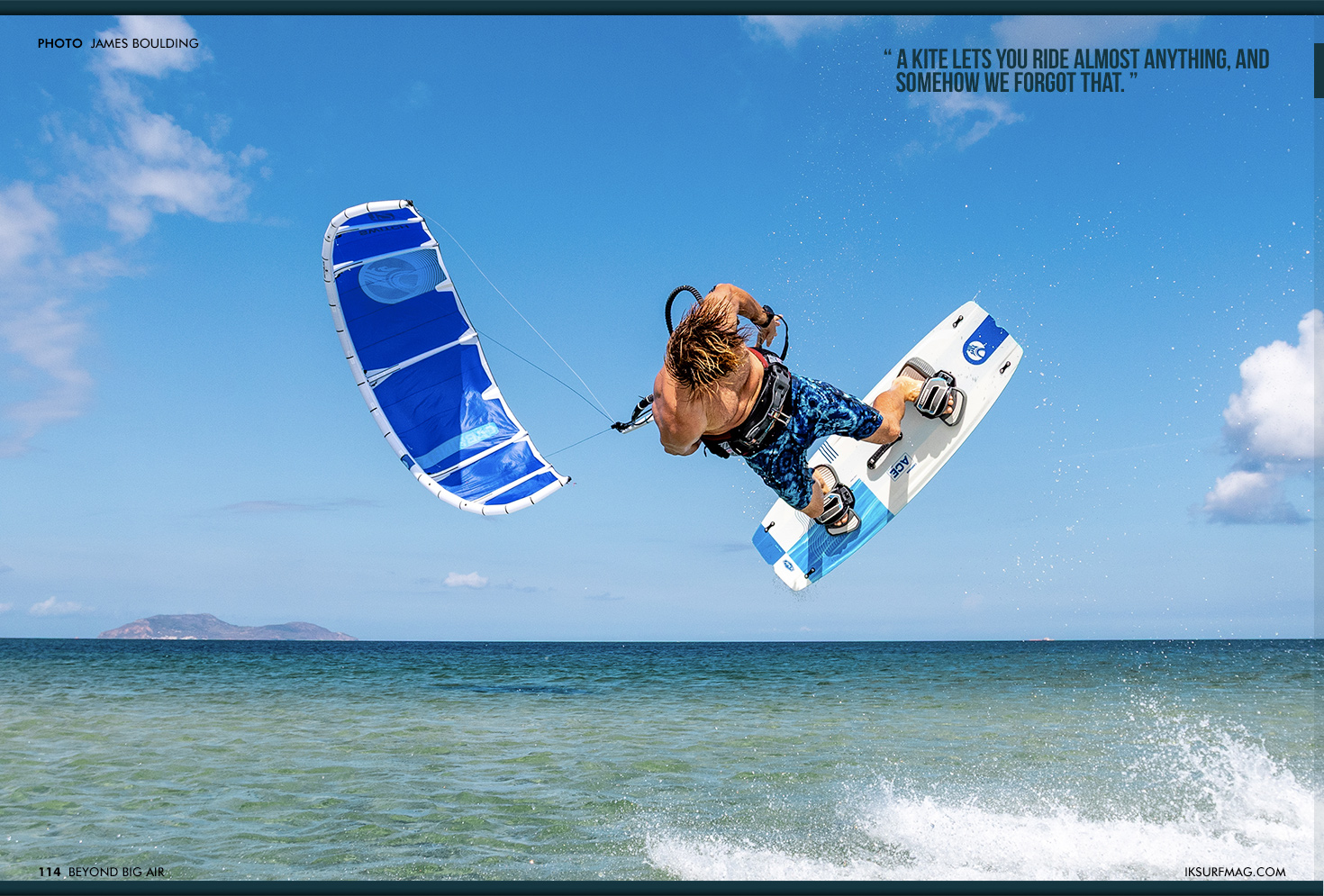
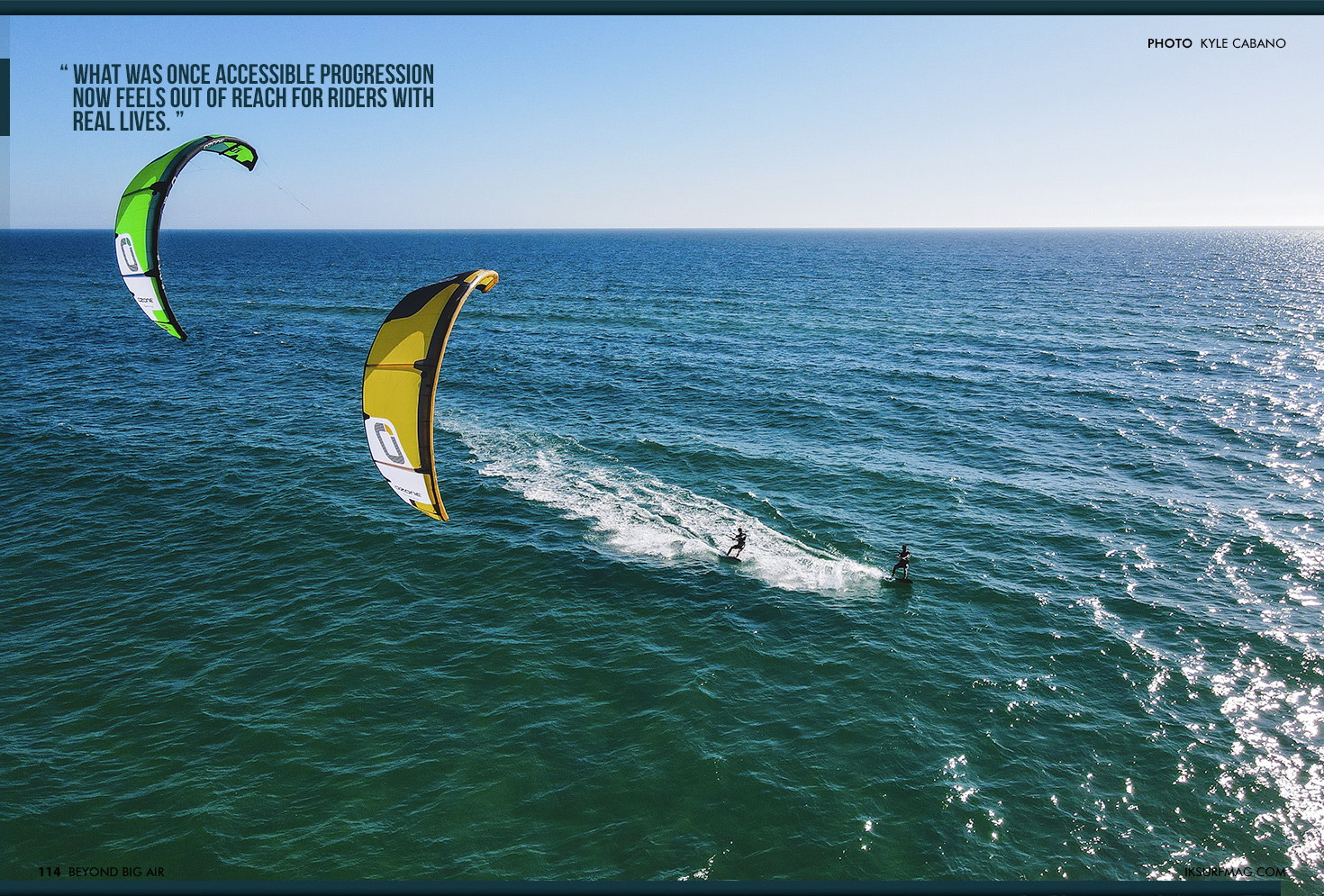
Kiteboarding was primed for a boom. The Covid 19 pandemic accelerated this, giving many people time and disposable income, and participation exploded. At the same time, wing foiling emerged, pulling a significant number of intermediate and advanced riders toward a new challenge. Fast forward to today, and we see kite surfboard sales dropping dramatically, kite foil sales are also really struggling, while the twin tip reigns supreme once again, and big air sits firmly on the throne.
As wing foiling ate into the kite market, it feels as though the industry doubled down on big air, perhaps a little too hard. Big air evolved rapidly, from big jumps and mega loops into the highly technical, extreme discipline we see today. It is breathtaking, but also increasingly out of reach for the average rider. What was once an achievable pinnacle now feels distant, even alien, for many of us.
We can all admire the doubles, triples and board off combinations of the likes of the Casati brothers and Andrea Principi. The ultra-low, short line loops of riders such as Jason van der Spuy and Jett Bradshaw are mind-blowing. But for riders with day jobs, families and limited water time, is that ever going to be our reality? Sending a solid loop, absolutely. Chasing that level of progression, probably not.
There is another issue, too. Big air demands specific conditions, and those conditions become more extreme as progression continues. Chasing higher WOO scores inevitably means more wind, harsher conditions and greater risk. We have seen more fatalities in recent years than ever before, and it is hard to ignore the connection between that and the relentless push to go bigger in stronger winds.
At some point, we have to ask ourselves whether this is the direction we want the sport to take.
This brings me to the heart of the piece. While wing foiling has created multiple disciplines, most wing foilers will ultimately be limited to that one craft. The difficulty of prone and DW foiling, and the cost of foil-assist and e-foils, place barriers in the way. As kiteboarders, we are not constrained in the same way.
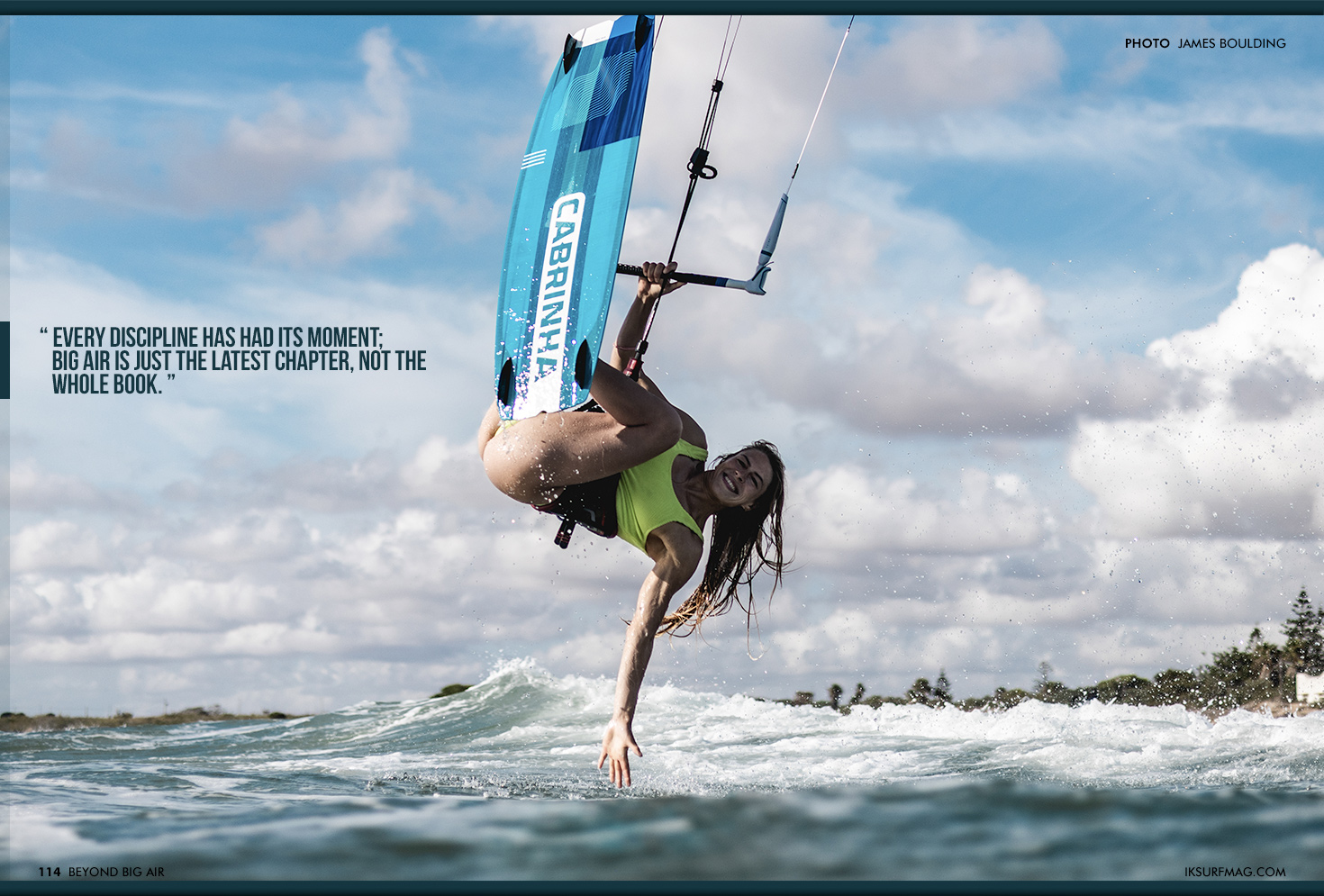
I have always believed that learning to kiteboard unlocks a near-endless range of possibilities on the water. In light winds, we can foil and have fun long before a wing foiler can even consider pumping up. We can cruise on a twin tip, skimboard, wakeskate, ride surfboards, and explore all of it with relatively basic kite skills.
Anyone who can ride upwind and perform small jumps can experiment with strapless boards or a skim and have immediate success. I know this because I was that rider in the early 2000s. We rode planks of wood for fun. A kite lets you ride almost anything. Yet as a sport, we seem to have forgotten that. In our obsession with big air, we have lost sight of the versatility that makes kiteboarding so special.
Ask yourself this: when was the last time you unhooked for some freestyle? If you aren’t at that level, do you even have some basic unhooked freestyle tricks you want to learn? When was the last time you went kite foiling, and if you can’t kite foil yet, is it on your radar to add it to your repertoire of skills within the sport? When did you last go for a cruise in light winds just to be on the water and to feel at one with nature? When did you last ride a surfboard over a twin tip? Kiteboarding is so much more than waiting for storms and boosting big airs.
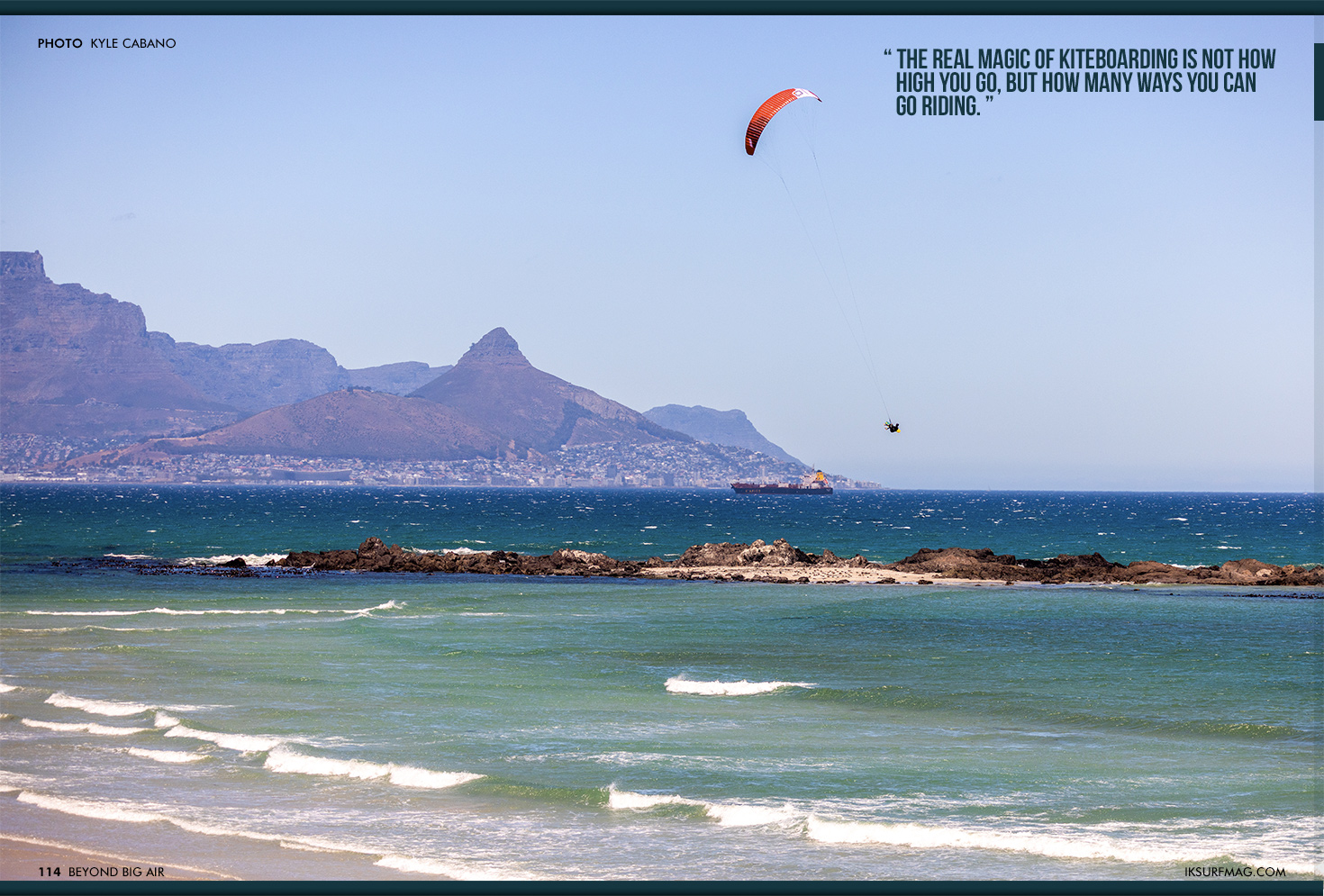
Of course, when the conditions line up, big air will always deliver the thrill we crave. However, there is so much more on offer. Encouragingly, many of the brands I have spoken to recently share a desire to rebalance the narrative and celebrate kiteboarding in its entirety, rather than defining it through a single discipline.
That can only be a good thing. The versatility of kiteboarding is what will carry it through the next 25 years. The only real danger lies in narrowing our own definition of what the sport is meant to be. Let's help kitesurfing thrive and embrace all of its amazing opportunities.
For me, kiteboarding is everything. It is foiling in eight knots of breeze, carving turns on a surfboard, riding ridiculous contraptions on summer beaches just for laughs, cruising on a twin tip with a big kite, exploring new spots, and when the wind truly switches on, sending it to the moon.
Every time I fly a kite, I am smiling. That is what we should be promoting. It really is the most fun you can have on the water. Let’s not forget that.
Videos


By IKSURFMAG
