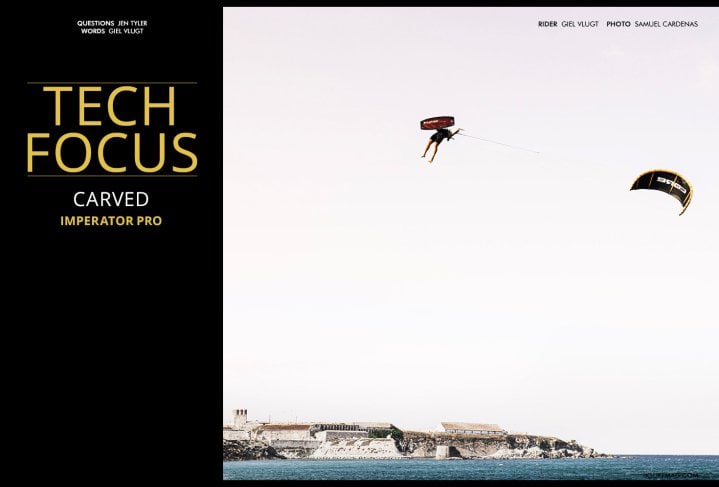

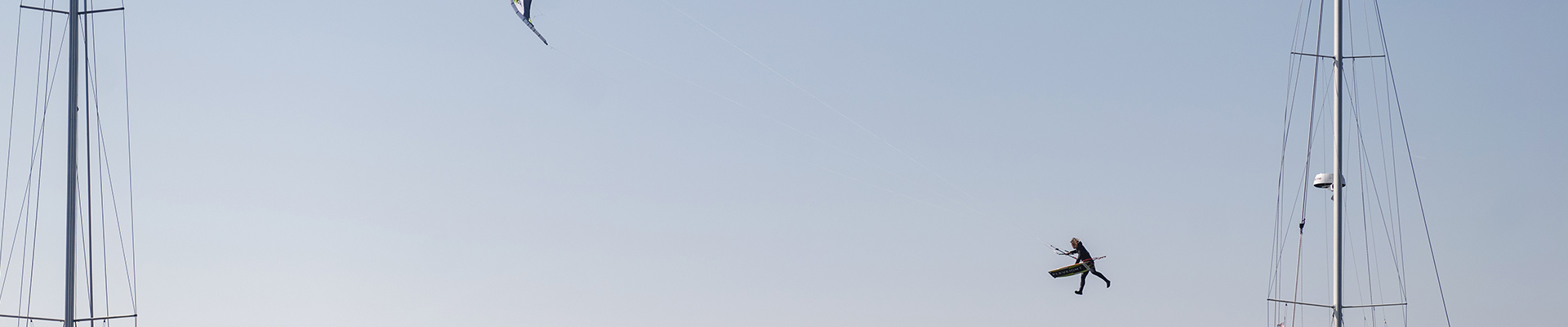
In this Tech Focus, we dive into Eleveight’s RS range – the RS V9, RS+ V3 and RS Pro V2. Known for their plug-and-play feel, the RS kites are all about versatility, letting riders freeride, boost, loop or chase waves with confidence. We break down what’s new and how each version stacks up.
For this Tech Focus, we’re diving into the RS V9, RS+ V3 and RS Pro V2. The RS has been a flagship kite for Eleveight for some time now. It’s available in three versions, what makes this freeride kite so popular?
Honestly, it’s the ease and accessibility. The RS has that plug-and-play feel that just works, no matter your level or the conditions. Most riders only have one kite setup, and they want something that can handle everything, whether it’s a mellow freeride session, some freestyle tricks, a few waves, or sending it looping in big air. The RS really nails that balance. It’s versatile, easy to handle, and fun to ride. That’s why people keep coming back to it.
The RS V9 is in its ninth iteration. What’s changed on that for this year?
We didn’t mess with the fundamentals as it’s still a 3-strut kite with a 5-point bridle. However, we did focus on improvements in two areas: materials and shape.
We added new X6 ripstop to the trailing edge and wingtips, which helps with strength, reduces material weight, and makes the load on the kite transfer more efficiently. We also added extra protection with triple closing seams to make the RS even tougher.
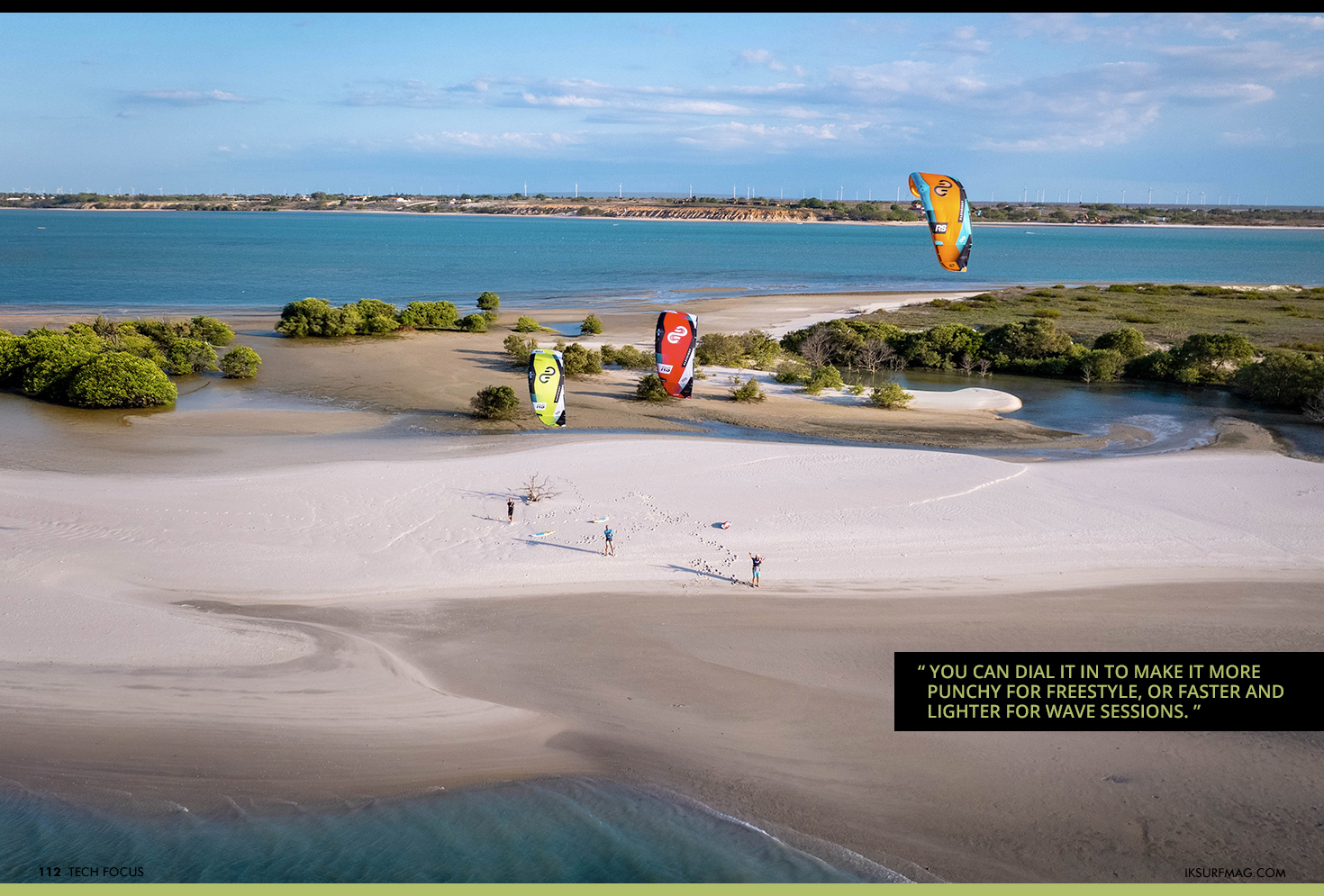
On the shape side, we wanted more low-end power. To achieve this, we tweaked the arc slightly to increase the projected area, which helps the kite generate more grunt in lighter wind. We also updated the bridle to improve the bar feel and improved the trim options to make each setup feel more different. That way, you can dial it in to make it more punchy for freestyle, or faster and lighter for wave sessions.
There are new materials for the RS+ V3, namely the new XTC Tex 2.0 material for the frame and the X6 ripstop for the trailing edge and other reinforced areas. Can you tell us a little bit about these materials and the advantages they bring?
Materials make a massive difference. It’s not just about saving weight, and should be just as much about how the kite reacts when it’s under pressure.
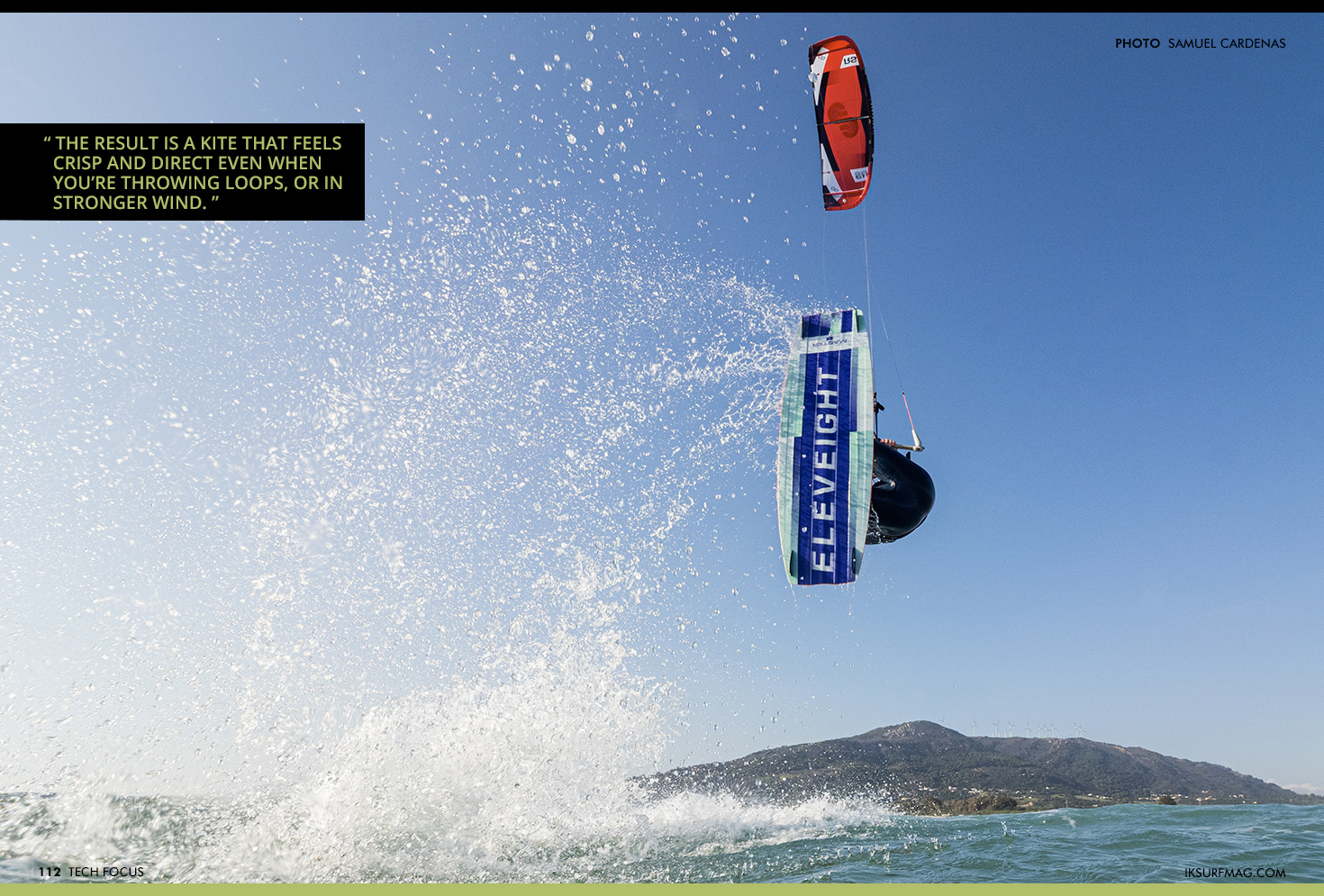
For the RS+ V3, we brought in XTC TEX 2.0, a material we’ve already used in our wing range with great results. The new version is lighter, has an improved coating, and is seriously strong. It’s five times tougher than standard Dacron and super stiff, which lets us slim down the leading edge and struts without losing strength. At the same time, it reduces drag and makes the kite more responsive. It also doesn’t stretch much, which keeps the shape locked in during hard riding. The result is a kite that feels crisp and direct even when you’re throwing loops, or in stronger wind.
- 15% overall kite/wing weight reduction
- 25% lighter than traditional Dacron and other normal inflatable material
- 5 times more tear resistance
- 50% less elongation compared to standard material
- 60% better recovery of material and a significant increase in form stability under load
We also added the X6 ripstop from our wings to the RS+’s trailing edge, which has 30 – 40% less elongation. The benefit is that it’s strong, lightweight, and has reduced stretch, which all helps to keep the canopy stable. This reduces flutter, which means the canopy stays tense and the kite feels crisp and fresh for longer.
- 30 – 40% less elongation than other traditional ripstop materials
- 6 x 6 ripstop yarn with outstanding quality and durability
- High-temperature resin finish with UV filter
- Less stretch in all directions (0°, 90° & +/- 45°)
- Less elastic fatigue and increased longevity
The RS Pro was a huge success last year. What’s been updated for this new version?
The RS Pro is our top high-performance kite, and the R&D team have gone to great lengths to optimise performance even further. We have utilised all available technology and pushed performance to its maximum, akin to a Formula One racing car.
For V2, we made changes where they count. We added more X6 ripstop in high-stress areas like the wingtips and trailing edge, and we adjusted the panel layout to handle the extra tension this kite deals with.
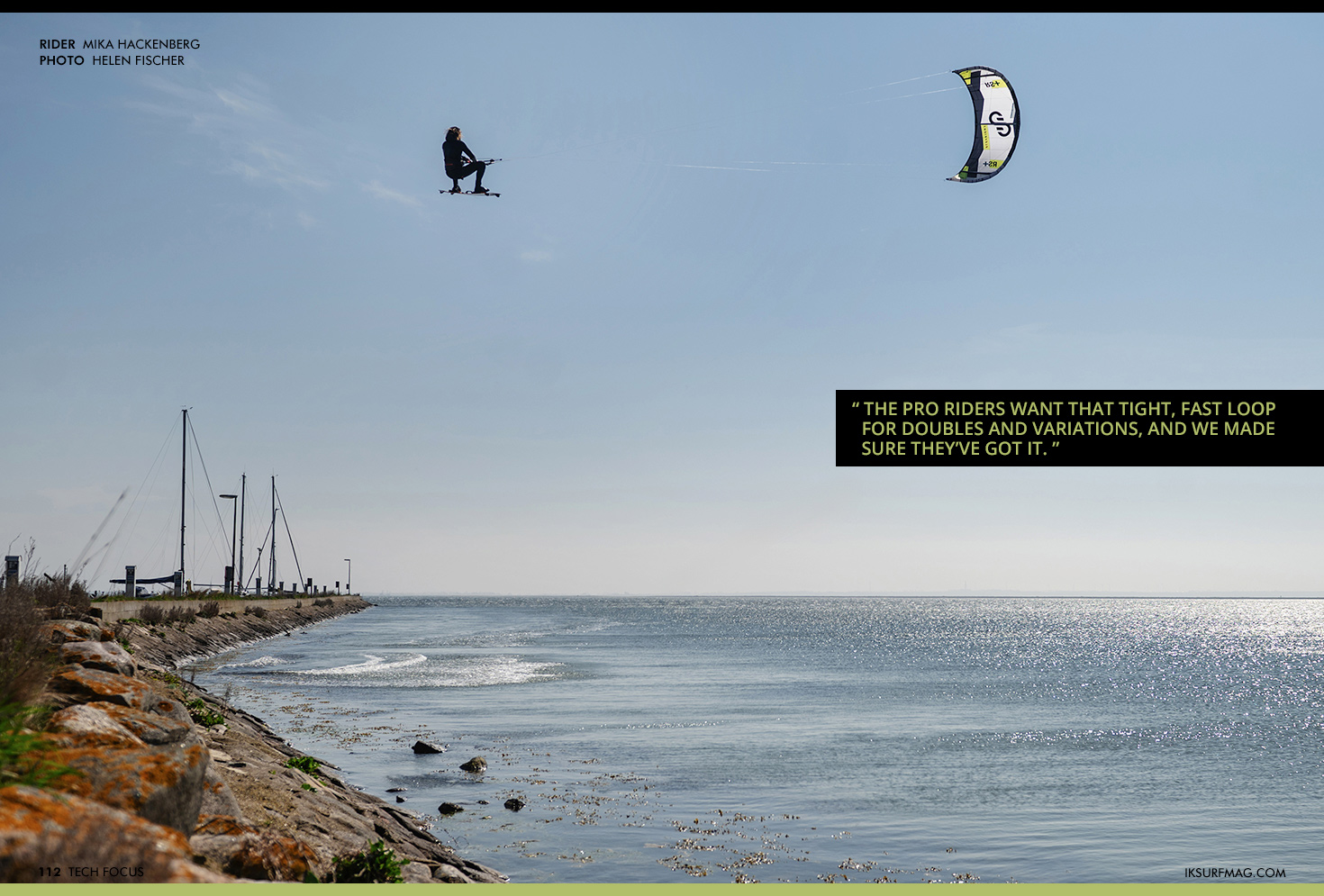
We also tuned the bridle for better bar feedback and faster turning. The pro riders want that tight, fast loop for doubles and variations, and we made sure they’ve got it. It’s all about making the kite feel quicker and more precise without losing control.
As a kiter, there is a lot of choice these days. Where do you see these kites positioned in the market?
Indeed, there are numerous choices, and in some cases, this can be somewhat misleading for the end consumer. However, the developments from recent years have given us the opportunity to fine-tune products for different target markets.
We aim to make it clear that the prime RS kite is designed for all riding levels. It offers the best price-to-performance ratio and is suitable for most riders. It’s a true plug-and-play kite!
Our plus range is more targeted to ambitious or experienced riders and includes the RS+. It’s punchier and stiffer but still has a great balance. It feels a bit more unleashed and dynamic than the RS, but that gives the rider the extra edge.
The RS Pro V2 is pure high-end. It’s built for riders who are chasing serious big air, fast loops, and want the best tech available. Our pro range is all about state-of-the-art design and top performance.
While all three kites use different constructions, are there major differences between the designs? We understand that the materials allow for thinner leading edges, with stiffer frames. Are there other differences in the shapes and profiles between the three?
Yes, quite a few actually. They all share the same DNA, being 3-strut, 5-point bridle kites, but they’re built very differently, and we invested in each of the design processes.
Different materials mean we need to change the rest of the kite, starting with different panel cut layouts to ensure each has the best load transition. The Pro, for example, handles much higher loads because of how fast it turns and how aggressively it’s ridden, so the whole panel structure needs to be fine-tuned for this purpose to make it tighter and more responsive.
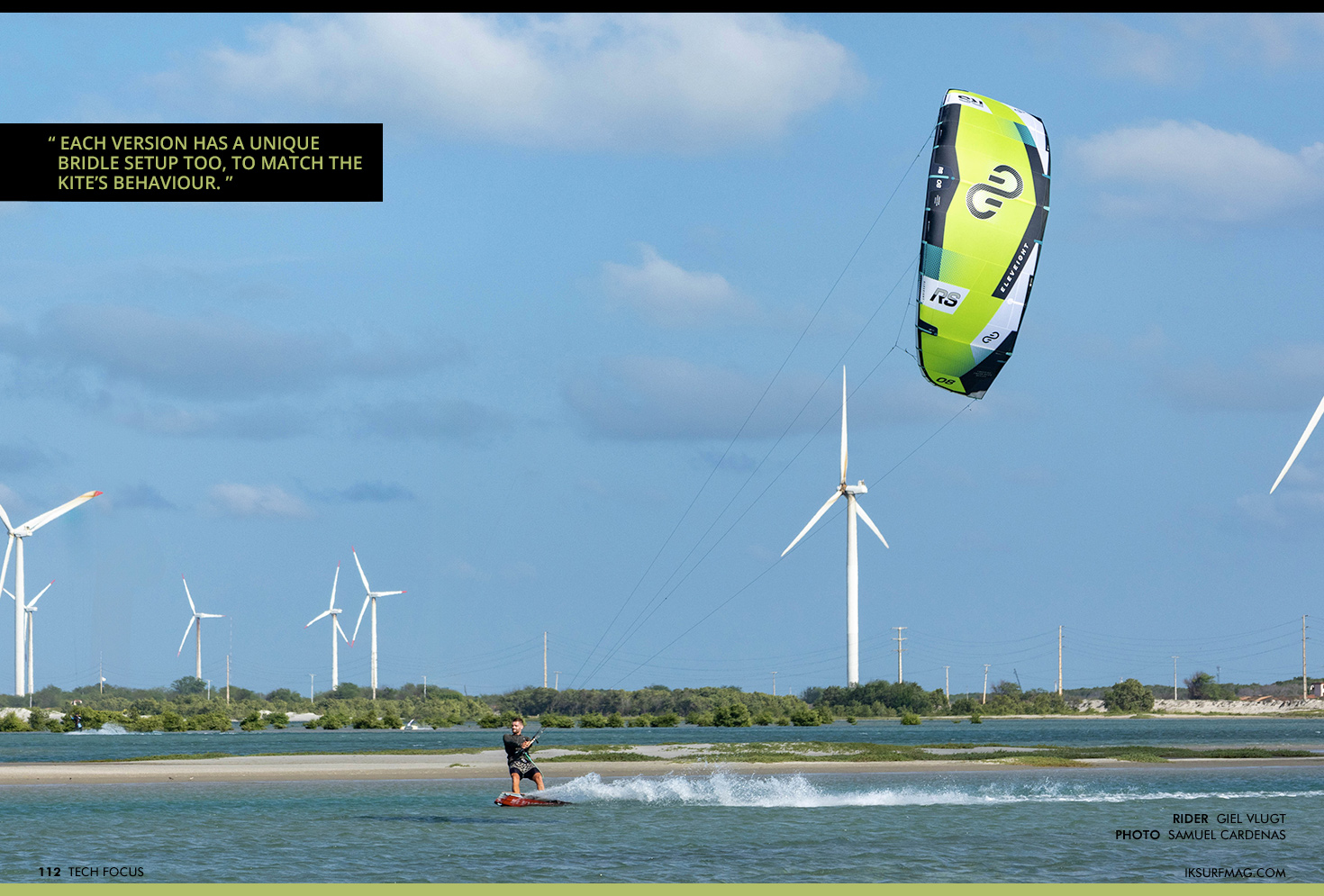
Each version has a unique bridle setup too, to match the kite’s behaviour. The different thicknesses of the leading edge change the flying performance, and the arc is slightly different, which means the bridle has to be adjusted.
We don’t just change the fabric and call it a day as each RS model is built and tested separately to get the best out of its design.
Performance-wise, how do they compare? Is there a stark difference between them all, or is it more nuanced?
They’re definitely not subtle differences! The RS V9 and RS Pro V2 feel completely different. The Pro is like a racing car that’s super direct, super responsive, and designed to go fast and high. You need the skills to handle it, but if you’ve got them, it delivers in a big way.
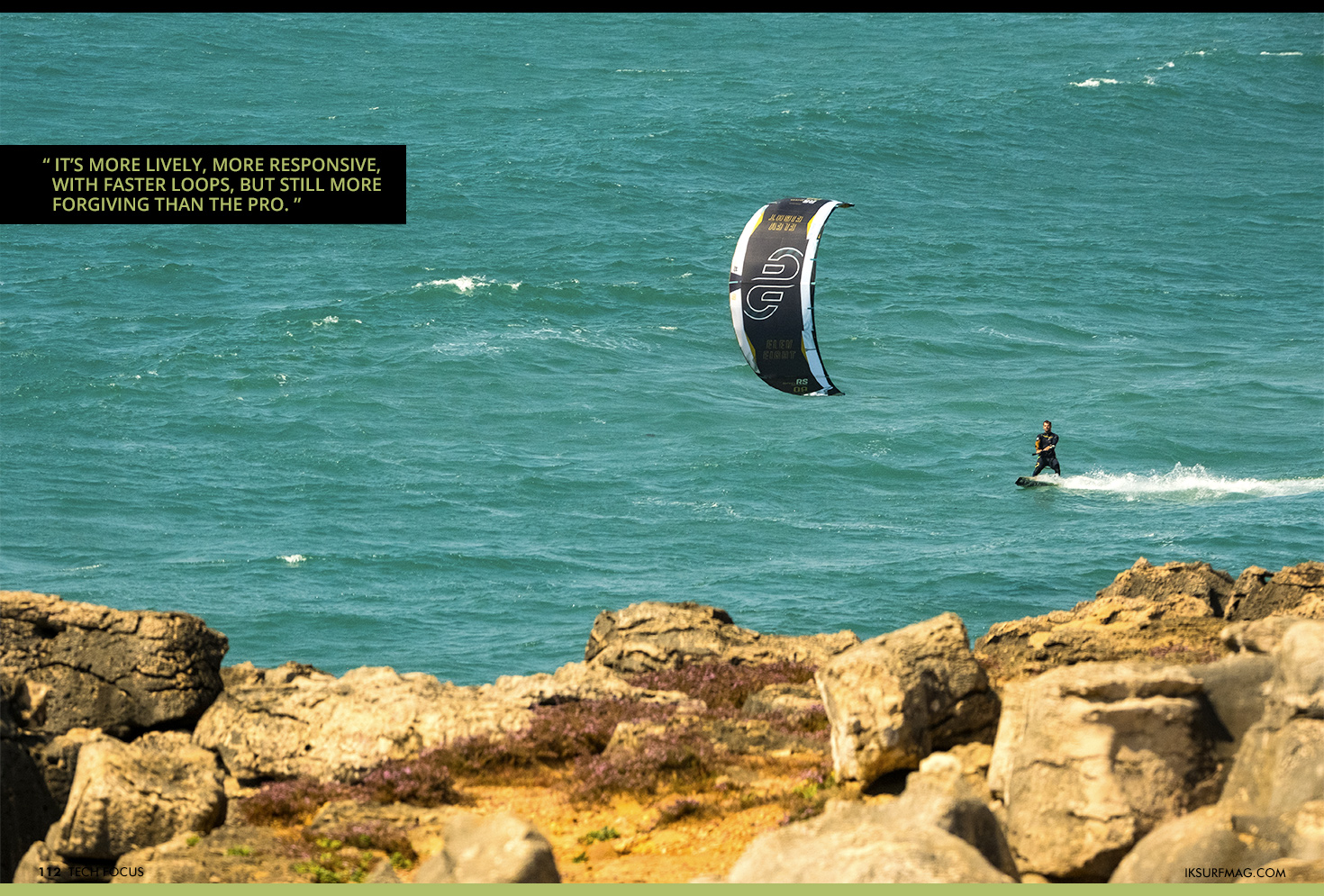
The RS+ V3 is the halfway point. You can feel the extra speed and stiffness compared to the standard RS, especially when you’re boosting or wave riding. It’s more lively, more responsive, with faster loops, but still more forgiving than the Pro.
Given the performance and cost differences, what version would you recommend to most riders looking for a freeride kite to boost some air on?
I’d go for the RS+ V3. It’s not a huge step up in price from the standard RS, but you get that stiffer frame and better performance in the air. The hangtime is solid, and the kite feels smooth and reactive, which is perfect for boosting with confidence.
These kites are billed as the ultimate freeride machines, but do the different versions lend themselves to other disciplines better than the other? For instance, is there a version that is better suited for waves, and another that is better suited for big air?
While we design all three with versatile freeride performance in mind, each one has its sweet spot.
For sure, the RS Pro V2 is a big air weapon. It’s stiff, fast, and thrives in rougher, overpowered conditions. That same stiffness makes it less ideal for waves, though, as you want a bit more twist and more softness with drift for that.
If waves are your thing, the RS V9 is probably the best option. It’s super balanced, handles well, and drifts nicely when you’re riding down the line.
For riders looking to learn to kiteloop, which is the best version?
No doubt, given the costs and crashes, I would choose a prime RS! It features fast loops that are easy to control, and the power delivery is smooth enough for learning. You can even tweak the settings to make it loop more tightly with less pull, which is great when you’re first getting the timing right.
And let’s be honest, when you’re learning loops, crashes are going to happen. The XT material in the RS is very durable with reinforced triple closing seams, so it’ll take a beating and stay bulletproof!
And for riders who are looking for the ultimate in big air and kite loop performance, which should they choose?
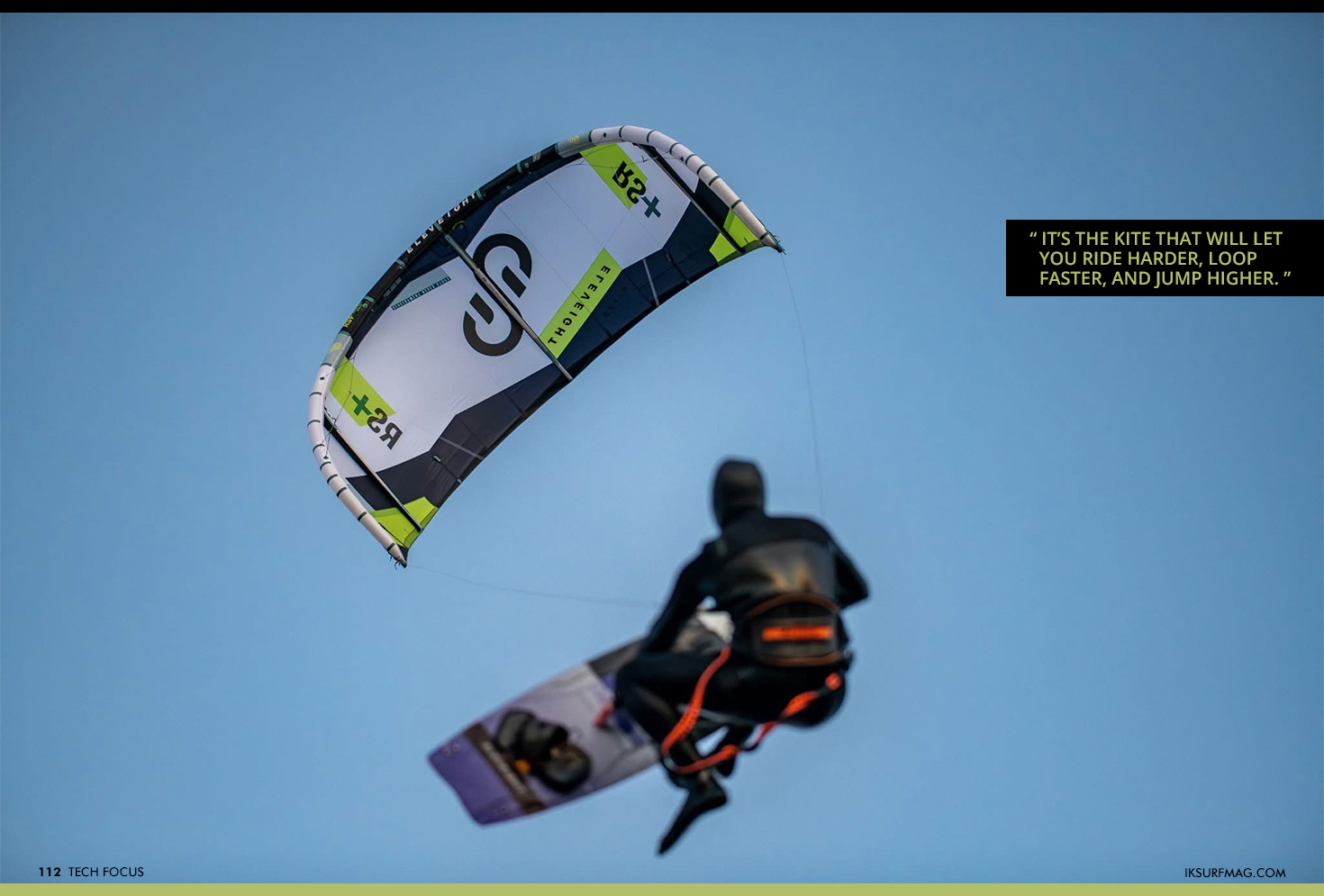
It depends on your budget, of course, but if your goal is pushing big air and loops to the limit and your pockets allow it, then go straight for the RS Pro V2. It’s the kite that will let you ride harder, loop faster, and jump higher. You’ll need the skills to unlock its full potential, but if you’ve got them, you’ll accelerate your skills to next-level performance.
Great! Thank you!
Thanks, Rou.