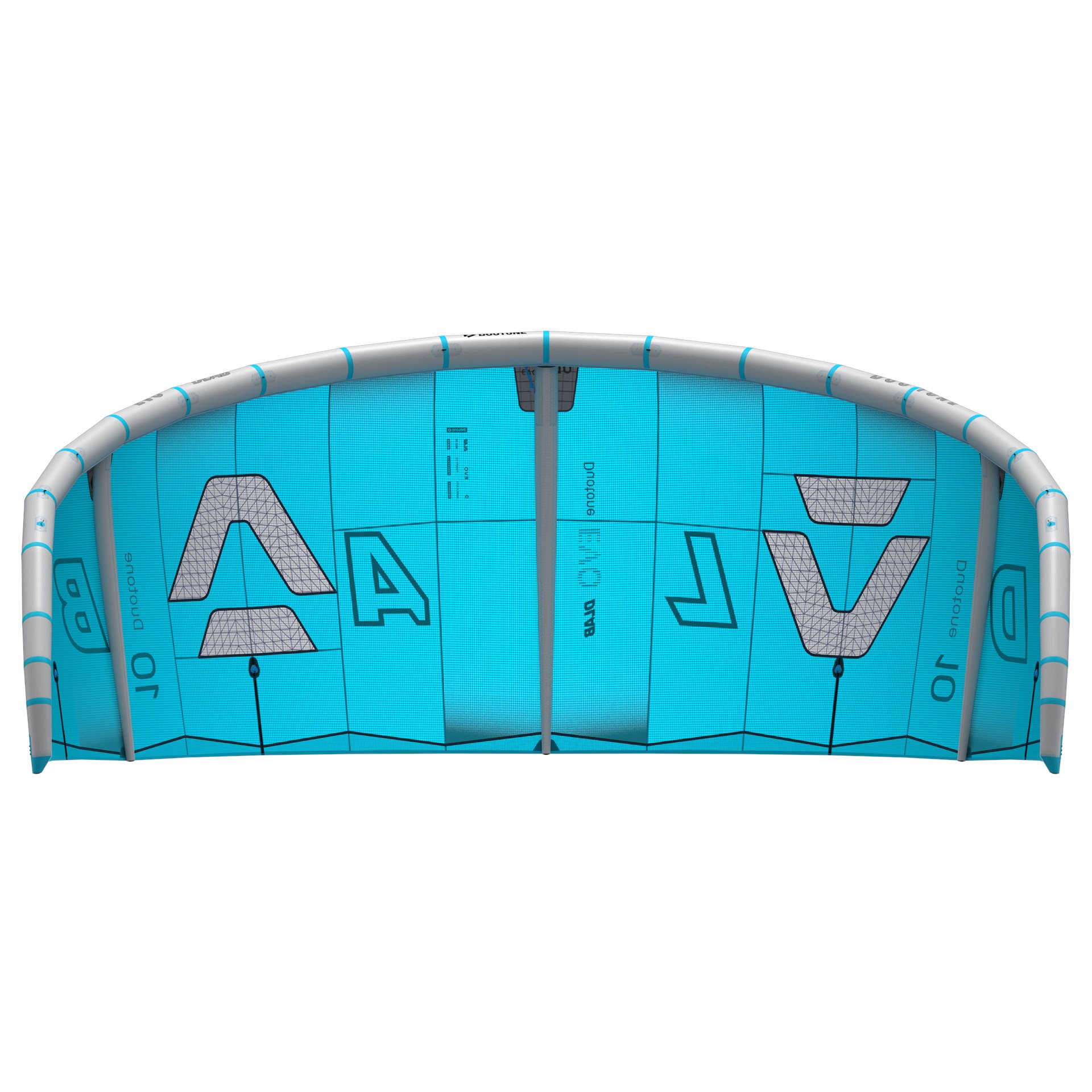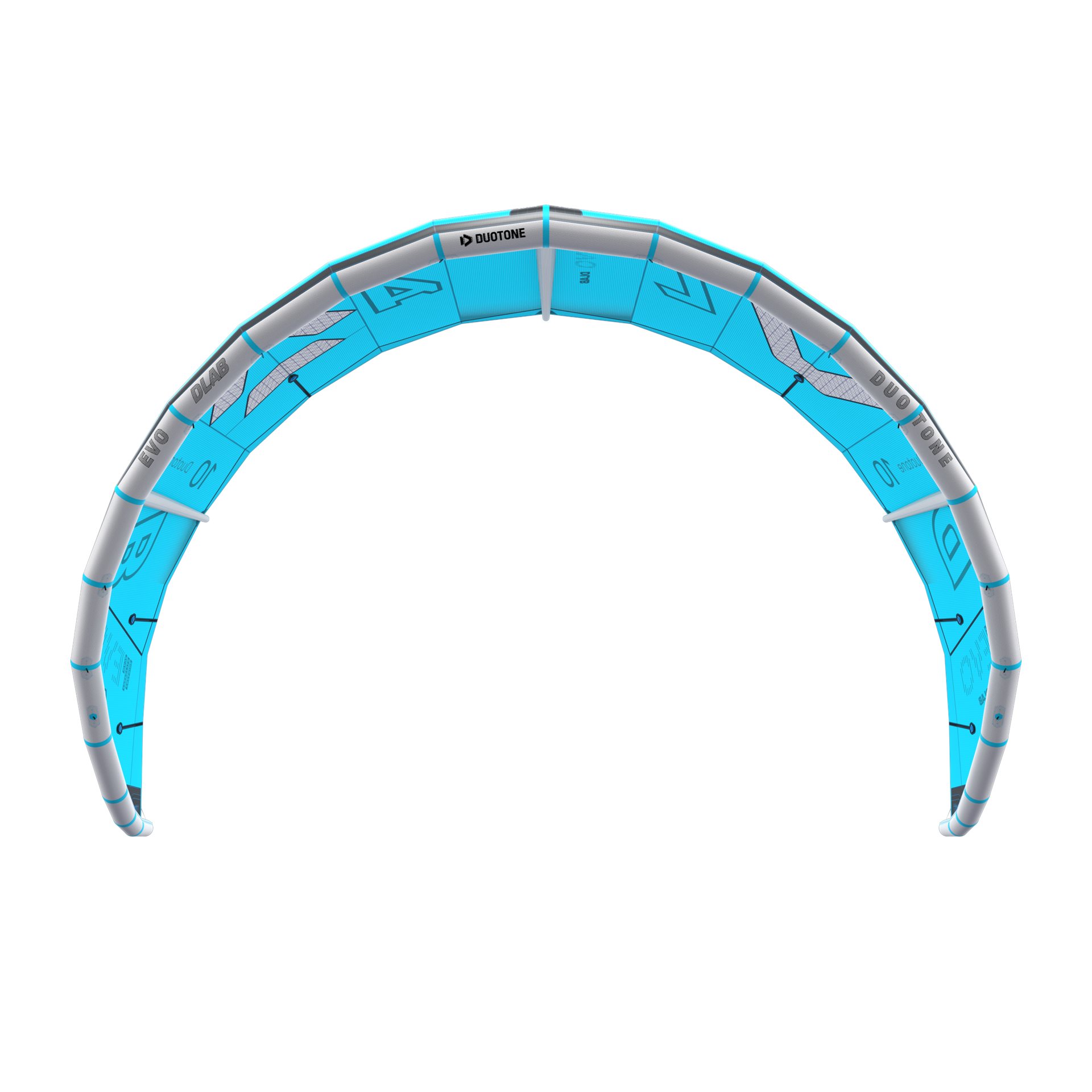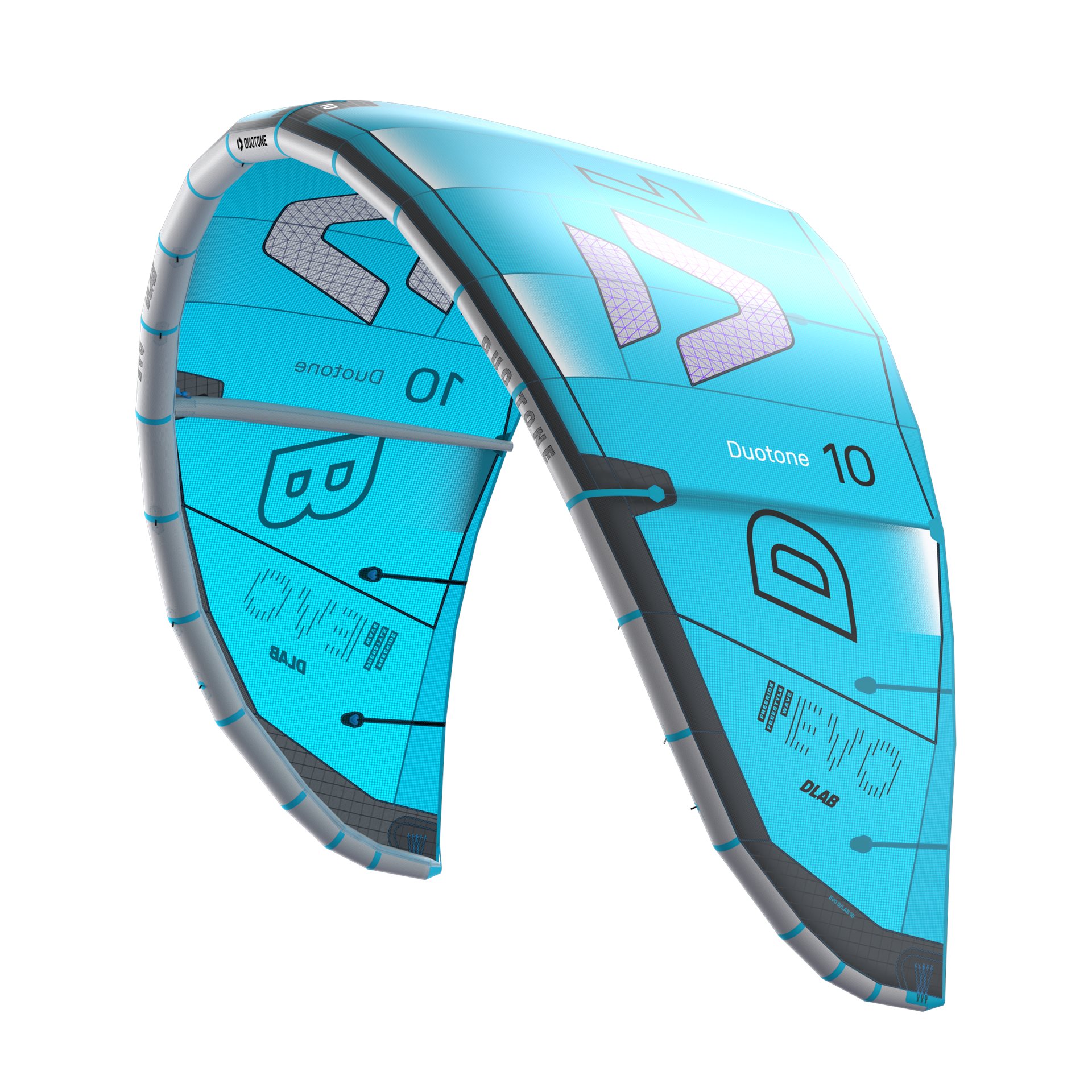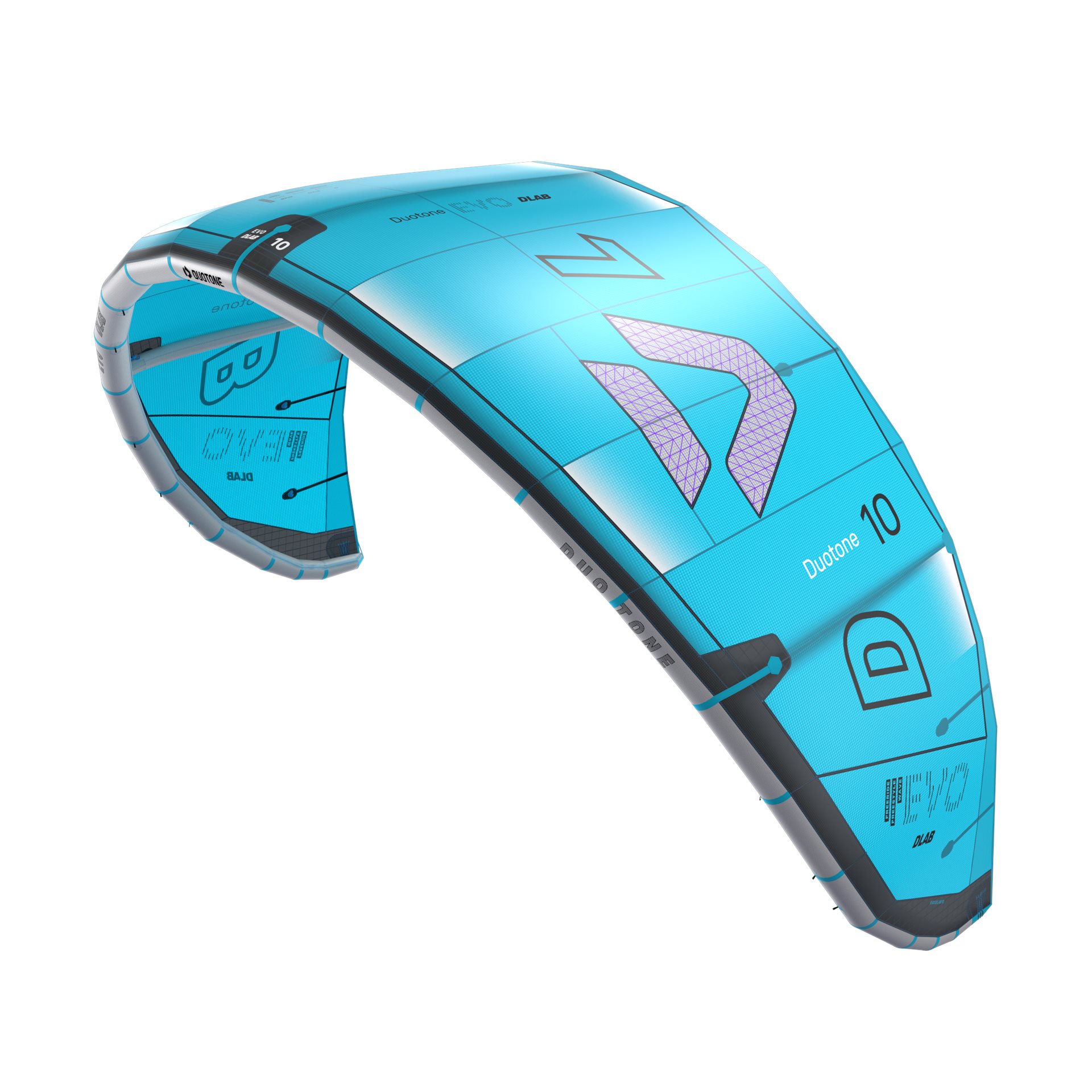

The High-Performance All-Rounder Evolves For 2027!
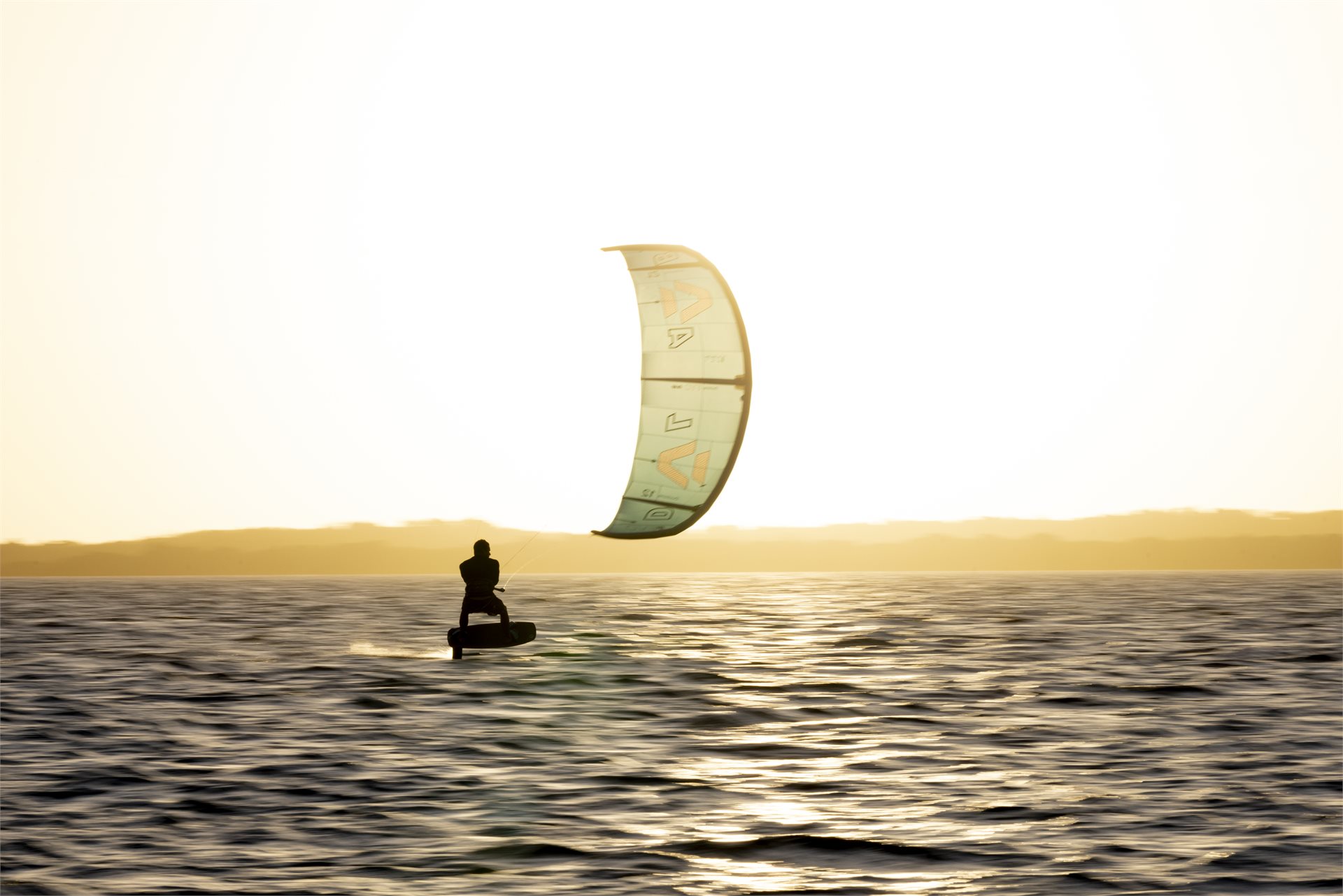
The Evo has long occupied one of the the top spot as one of the most versatile kites in the Duotone range. It is the kite designed to do pretty much anything, combining accessible freeride performance with the speed, lift, and handling required for big air, freestyle, and even wave riding. The Evo D/LAB takes that versatile platform and pushes it towards the very top of Duotone’s performance spectrum.
For 2027, Duotone has refined the formula again. The new Evo D/LAB combines an Aluula D/TX airframe, a three-strut layout, updated canopy construction, and a new six-point bridle system. The result is intended to be faster, lighter, more direct, and increasingly stable across an exceptionally broad wind range.
This is not a specialist competition kite built around a single discipline. Instead, Duotone has focused on producing an elite-level all-rounder capable of delivering explosive big air performance one day, powered freeriding the next, and a fast, responsive session in the waves when the conditions change.
The Aluula D/TX Airframe
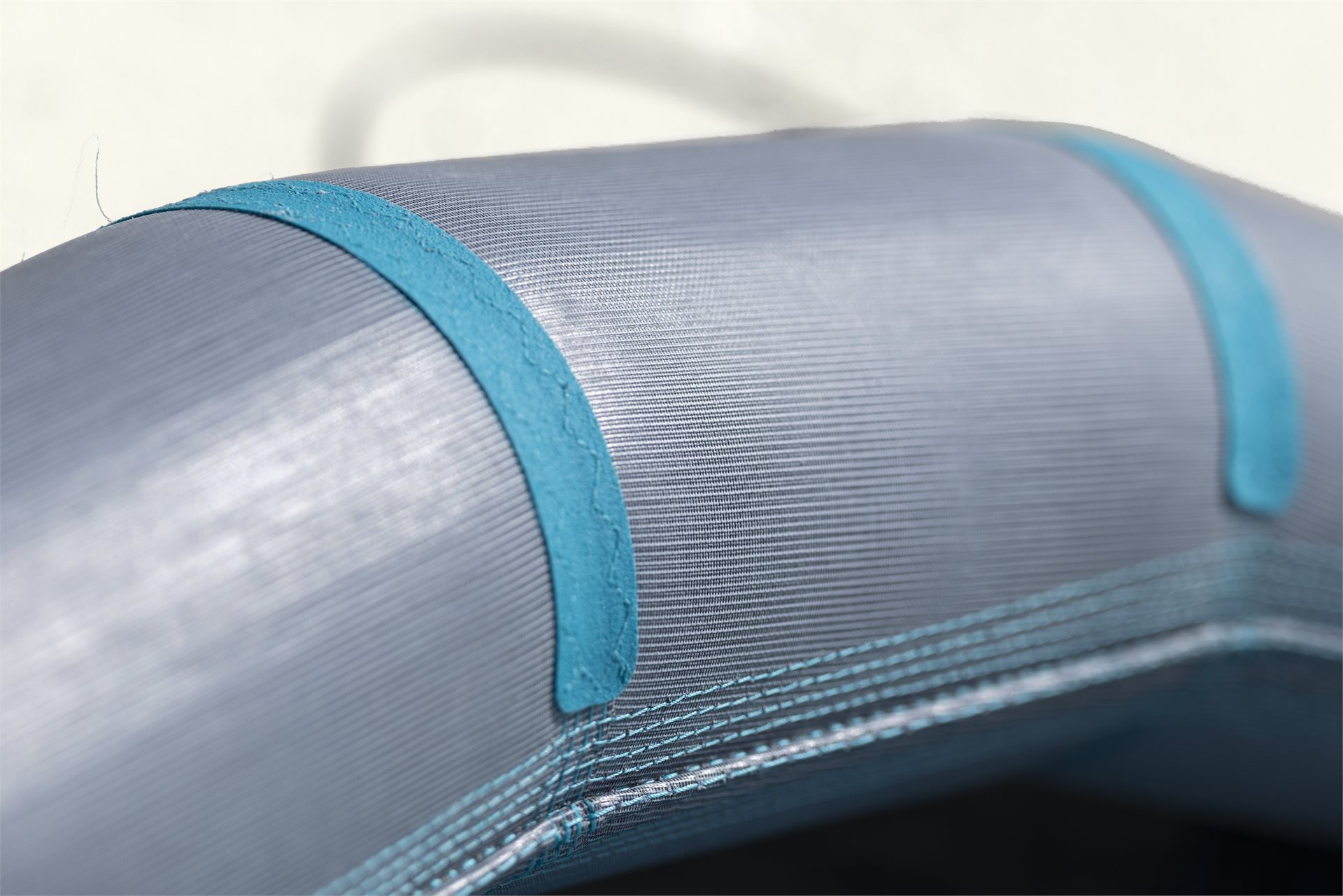
At the heart of the Evo D/LAB is its Aluula D/TX frame. This material has been developed with Duotone to combine extremely low weight with exceptional stiffness, giving the designers greater control over the kite’s flex, torsion, and structural response.
Reducing the weight of the airframe helps the kite remain responsive in lighter winds, allowing it to accelerate quickly and react immediately to steering input. The additional rigidity becomes increasingly important as the wind builds, helping the kite maintain its intended shape rather than allowing the leading edge to twist or deform under heavy loading.
This should create two very different, but equally valuable, characteristics. At the lower end of its wind range, the Evo D/LAB will feel light, efficient, and willing to fly. At the top end, the same rigid structure is designed to keep the kite stable, precise, and predictable when the rider is heavily powered.
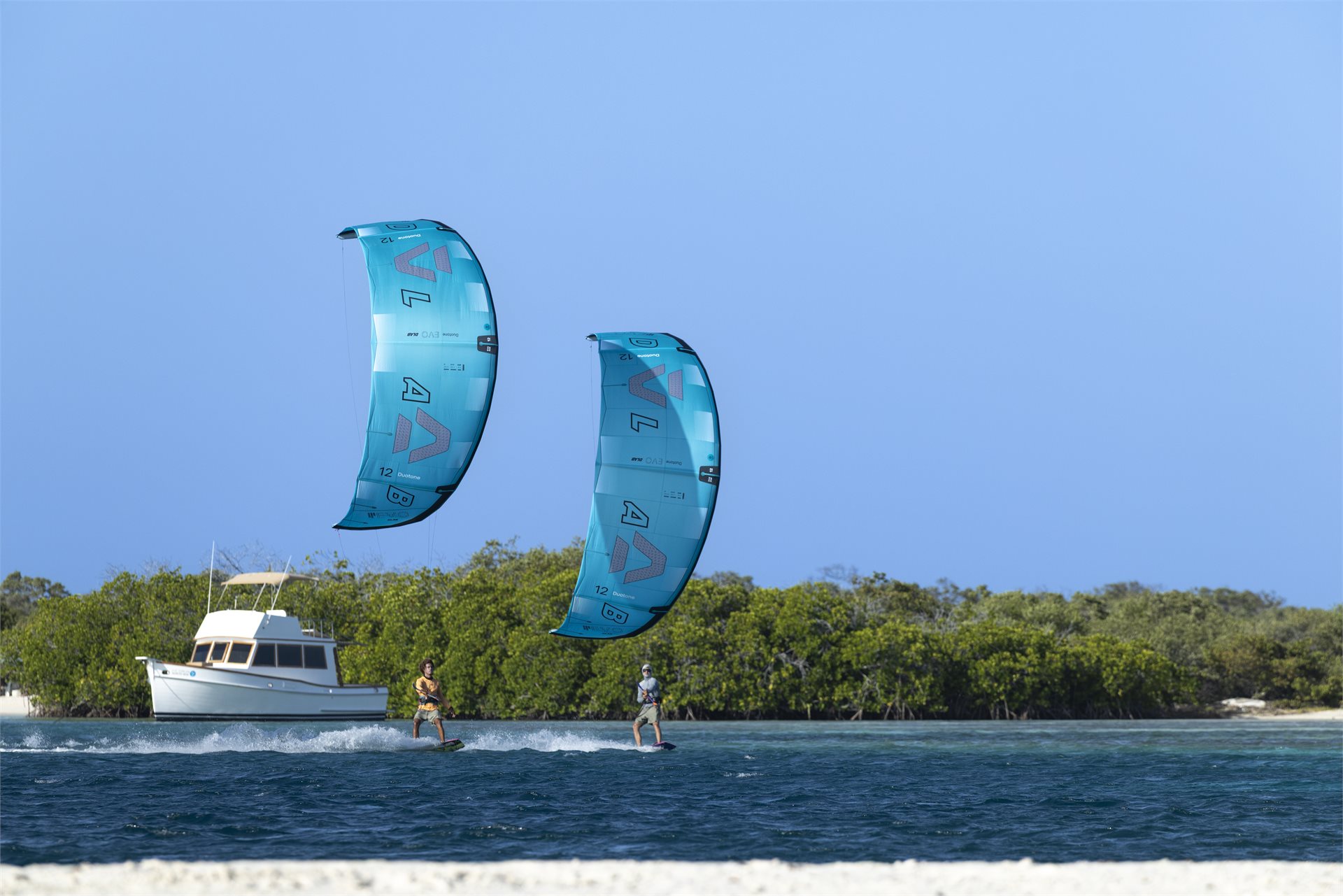
“The Evo D/LAB is the ultimate all-round performance kite. It boosts huge, loops fast, feels super reactive, and still remains intuitive for fun in waves and freeride sessions.” Finn Flügel
The three-strut construction retains enough structural support for aggressive riding while avoiding the additional weight and complexity of a five-strut platform. It is a logical choice for a kite that needs to balance big air stability with the speed and agility required for loops, freestyle, foiling and wave riding.
Six Points of Support
One of the significant design features of the 2027 Evo D/LAB is its new six-point bridle system. The additional support helps maintain a compact and stable leading edge profile while distributing loads more effectively across the frame.
The aim is to deliver smoother and more direct power transmission between the kite and the rider. When the kite is loaded hard during a take-off, loop, or powered turn, the bridle supports the leading edge and helps prevent unwanted deformation. This allows the Evo D/LAB to maintain a more consistent profile through gusts and during the rapidly changing loads generated by modern big air riding.
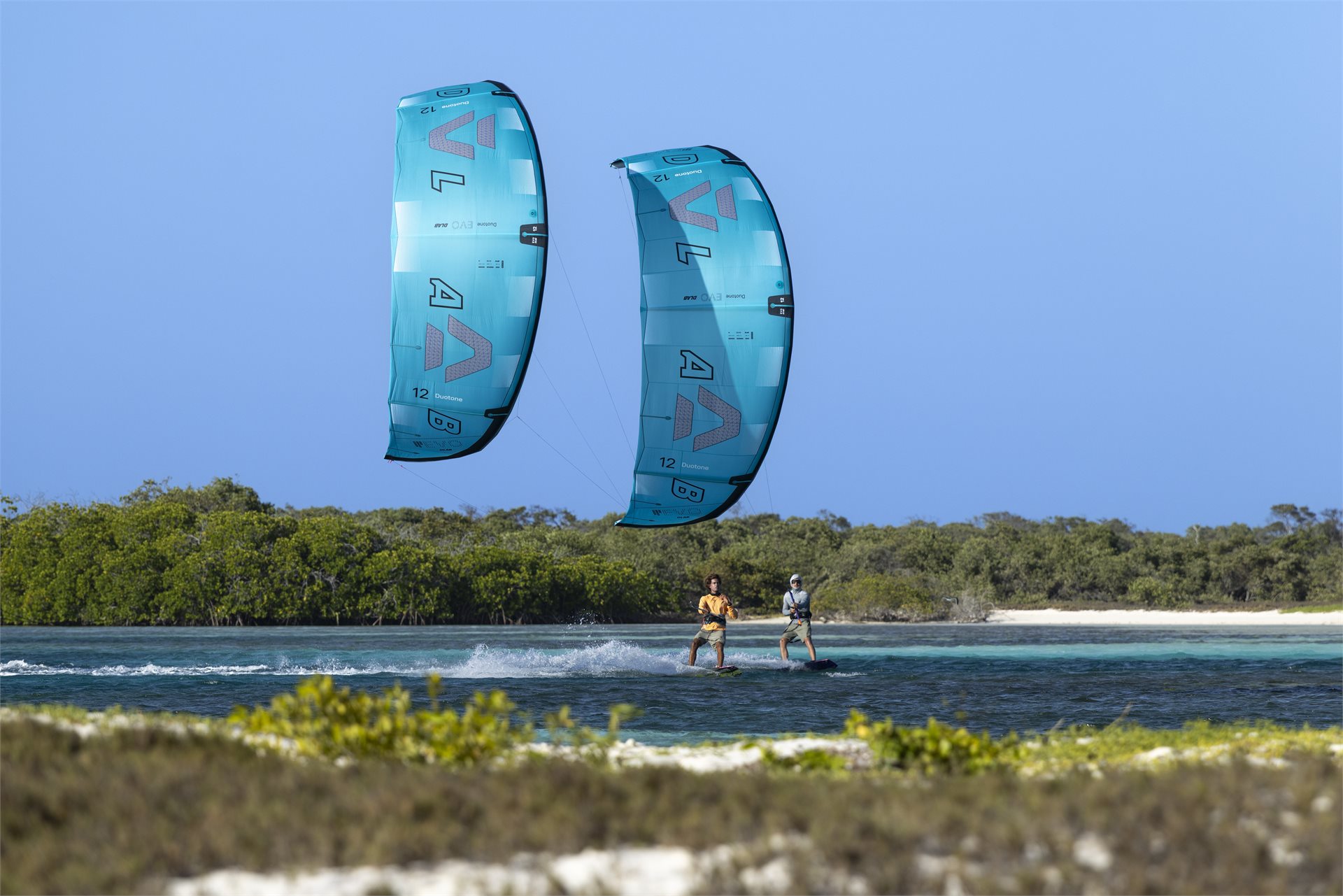
Bridle geometry can have a considerable influence on how a kite feels at the bar. In this case, Duotone has tuned the system to preserve the direct, reactive character expected from a D/LAB kite while improving stability and extending its usable wind range.
Built to Boost
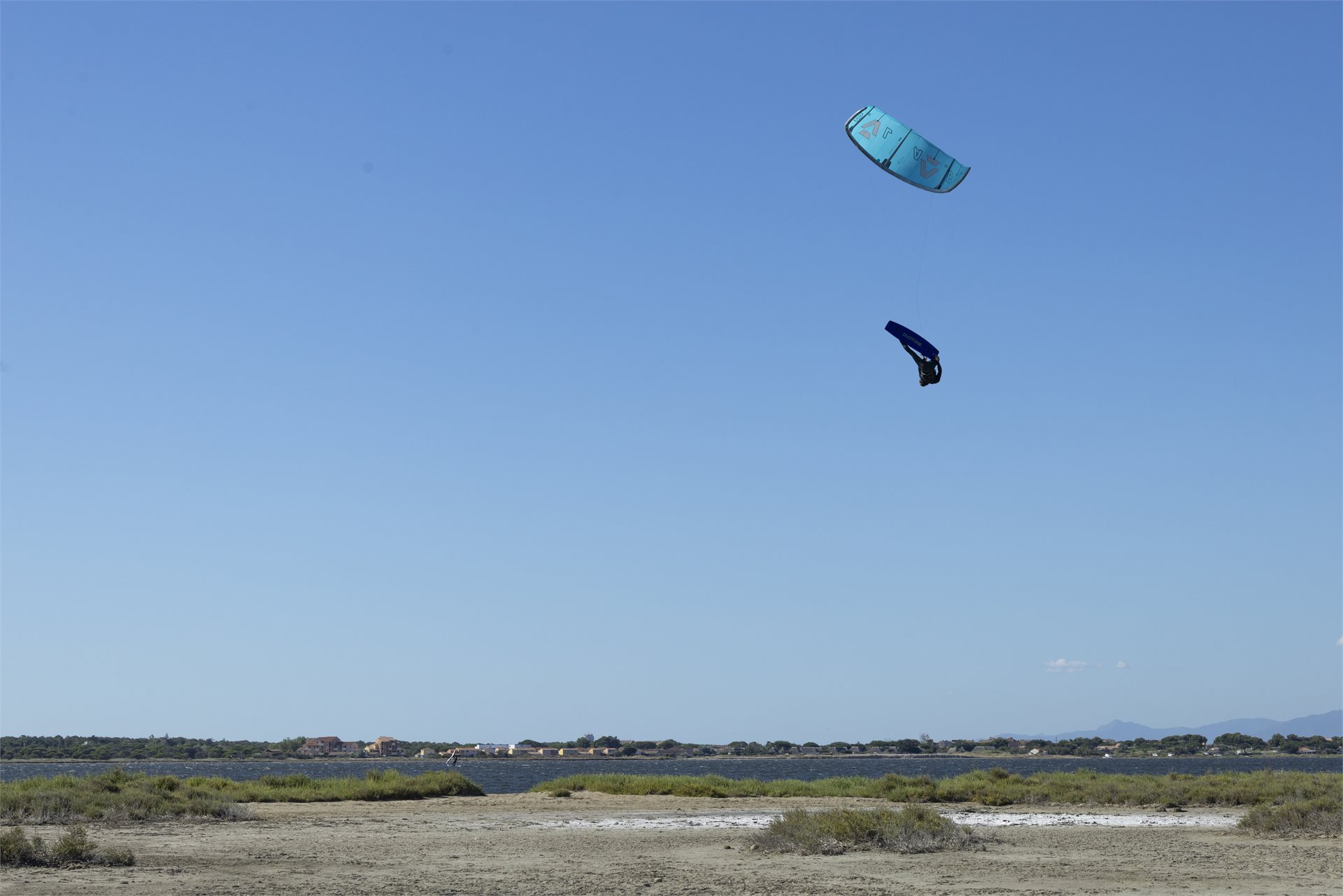
Big air is an important part of the Evo D/LAB’s character. The combination of a rigid frame and efficient aerodynamic profile is designed to generate powerful vertical lift, fast acceleration, and plenty of hangtime.
For riders progressing into kite loops, the lightweight three-strut platform provides the speed needed to get the kite through the window. Riders can dial in the speed of the loops with the dynamic steering allowing them to control the rotation and tune the pull of the kite through the turn.
Performance Across the Wind Range
A genuinely versatile kite needs more than an impressive top end. It must also deliver useful power, easy acceleration, and responsive handling before the wind becomes fully established.
The light Aluula D/TX frame helps the Evo D/LAB stay in the air and react to rider input in marginal conditions. Its efficient profile is designed to create early planing power without making the kite feel slow or reluctant to move through the window. Once riding, its forward-flying character should help maintain speed and generate efficient upwind performance.
As the wind increases, the stiffness of the airframe and the support provided by the six-point bridle become more influential. Duotone has focused heavily on top-end stability, with refined canopy tension helping the kite remain settled when conditions become strong or gusty.
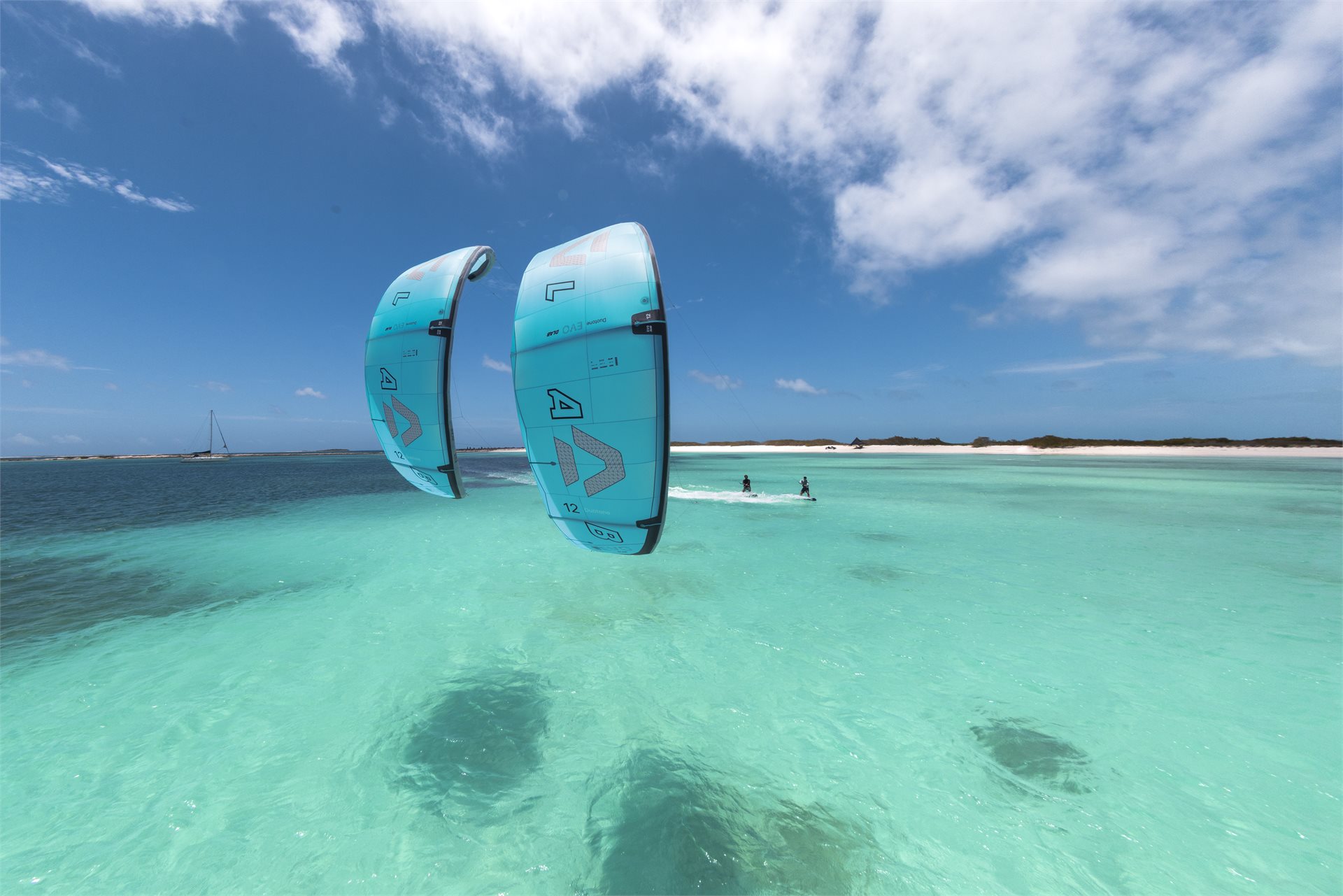
That broad operating range is central to the Evo D/LAB concept. A rider should be able to rig the kite early, enjoy its low-end power and efficiency, and continue using it as the wind increases without the handling becoming unpredictable.
Controlling the Canopy
The 2027 Evo D/LAB features Duotone’s MOD 3S canopy material, which the brand claims offers three times the tear resistance and considerably less stretch than previous generations. Reduced stretch should help the canopy retain its designed profile under load, keeping the kite’s handling and power delivery more consistent over time.
The construction also includes a single-stitch trailing edge. By simplifying this area, Duotone has reduced unnecessary material and weight while creating a cleaner exit for the airflow. The design is intended to reduce flutter, improve aerodynamic efficiency, and limit wear along one of the most heavily worked sections of a kite.
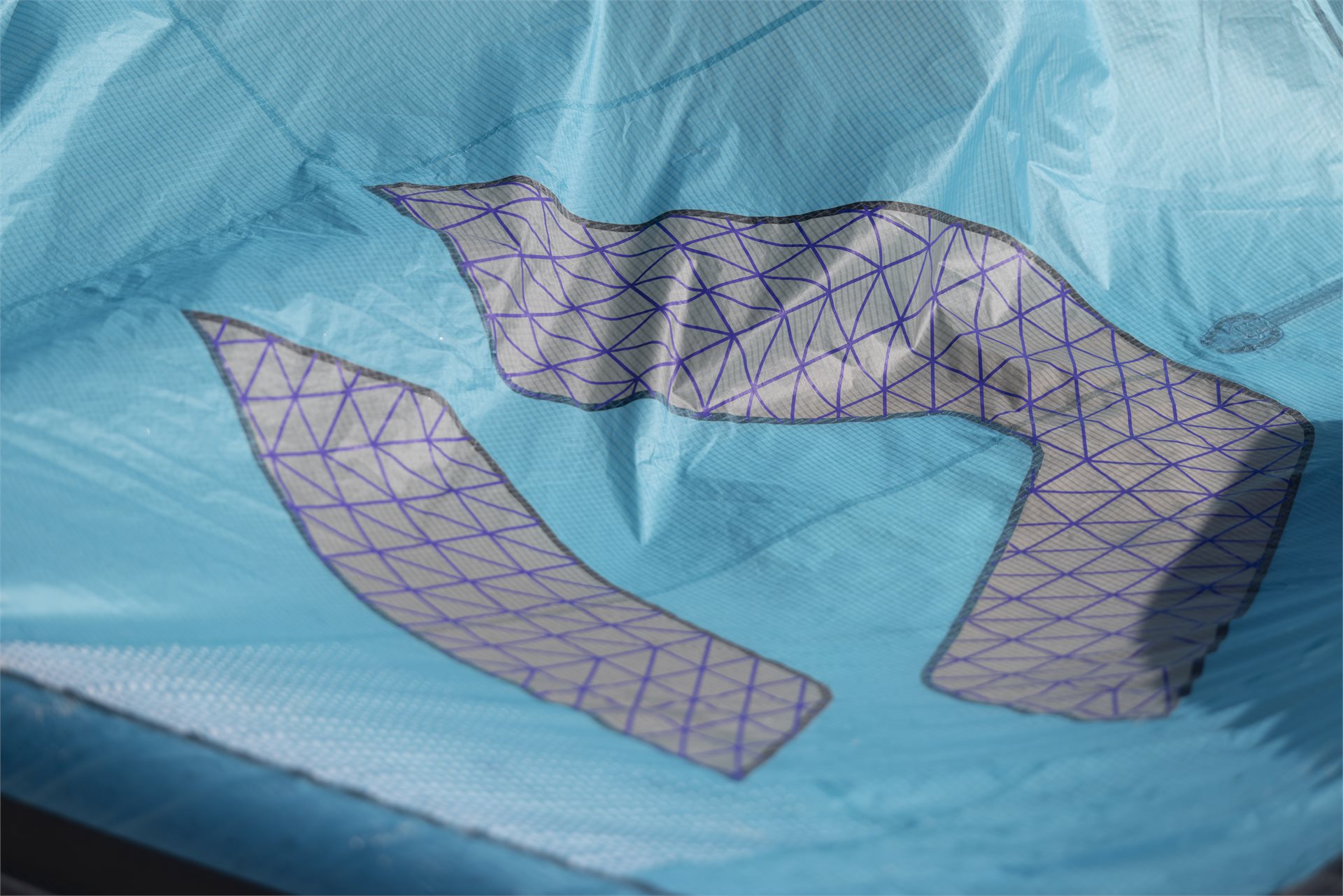
Micro battens provide further control over the trailing edge and canopy profile. Duotone says this construction is 40% lighter than the battens used on its regular models, allowing the kite to retain a clean, supported shape without undermining the weight-saving work elsewhere.
Smaller Micro Loop connections continue the same approach. These are 40% smaller than the connections found on Duotone’s standard models, reducing weight along the leading edge while maintaining the necessary structural attachment points.
Building a More Unified Frame
The Fusion Strut 2.0 construction joins each strut to the leading edge through a single integrated connection. This is designed to increase stability through the centre of the kite and create a more unified response when the rider steers or loads the canopy.
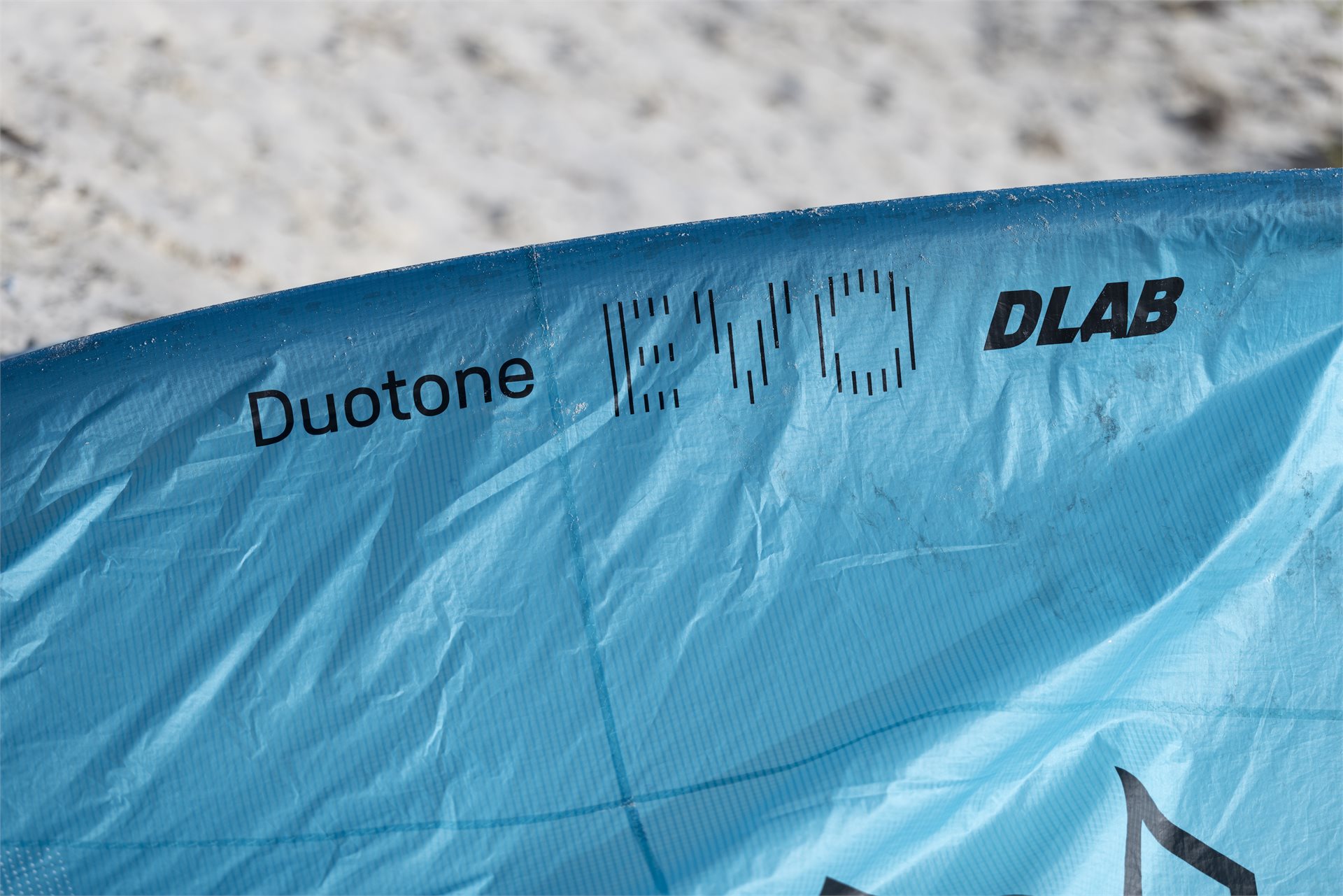
Duotone has also paid close attention to the seams running through the airframe. Its high-pressure closing and intersegment seam construction is intended to maintain the integrity of the leading edge when the kite is inflated to high pressure and subjected to extreme forces.
A stiffer airframe is only effective if its individual panels and connections can resist distortion. By strengthening these junctions without adding excessive reinforcement, Duotone is aiming to preserve the lightweight character of the D/LAB construction while maintaining the precision and durability required for powered riding.
More Than a Big Air Kite
Although much of the technology lends itself naturally to big air, the Evo D/LAB remains an all-round performance kite. Its low weight, fast turning speed, and direct steering should also make it an engaging freeride option, while its ability to respond quickly when depowered gives it potential in the waves.
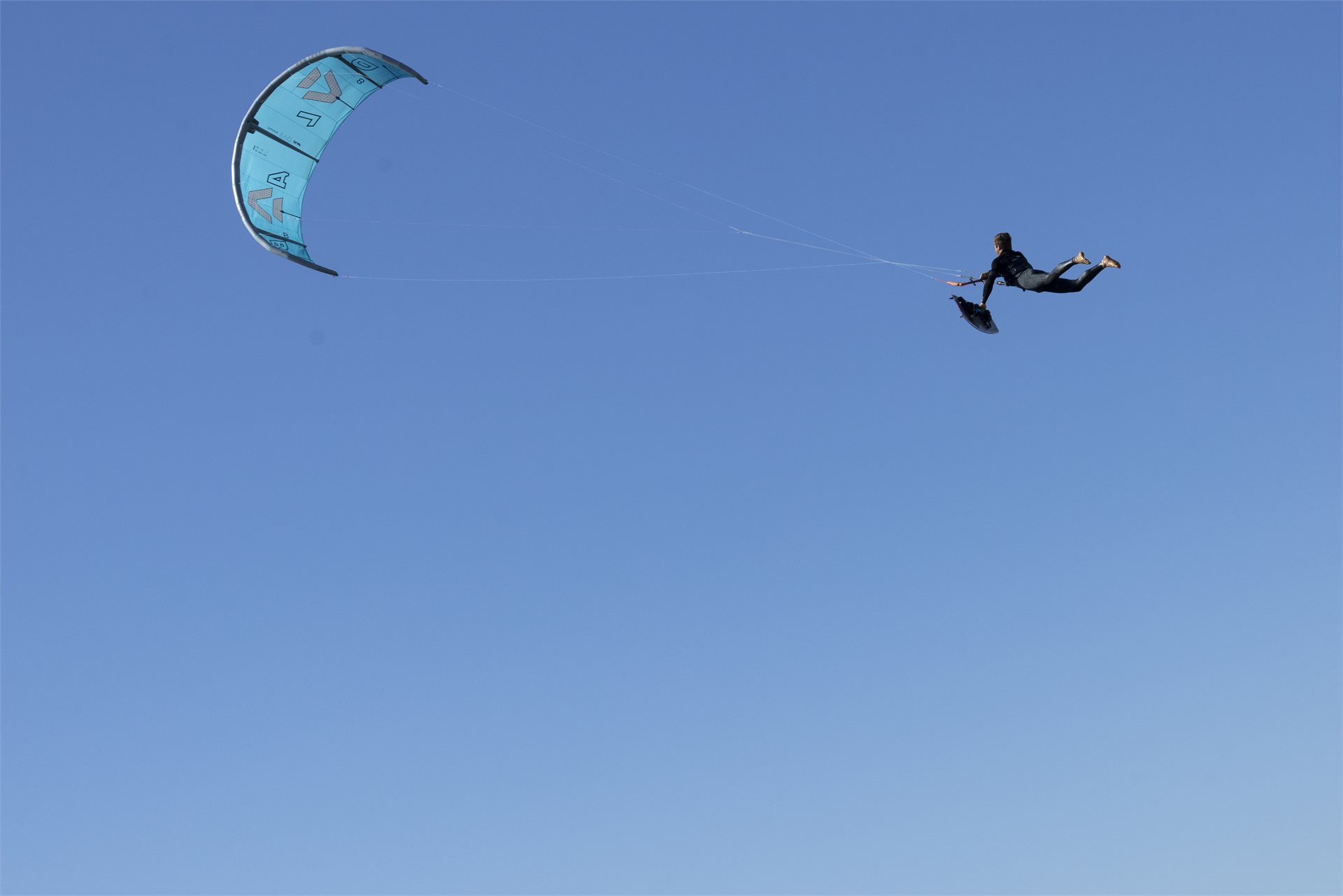
For freestyle riders, the rigid frame should provide immediate power delivery and strong pop. It is not positioned as a dedicated unhooked freestyle machine, but it offers the performance required for riders who mix hooked-in tricks, loops, rotations, and more traditional freestyle manoeuvres within the same session.
This breadth is arguably what makes the Evo D/LAB particularly interesting. Many high-end kites are designed around increasingly narrow objectives, but the Evo D/LAB is intended for riders who want premium performance without being restricted to one style of riding.
Sizes and Wind Ranges
The 2027 Duotone Evo D/LAB is available in eight sizes, from 6m through to 13m.
| Size | Wind range | Recommended lines | Bar width | Weight |
|---|---|---|---|---|
| 6m | 19 to 42 knots | 22m | S | 1.89kg |
| 7m | 17 to 39 knots | 22m | S | 1.99kg |
| 8m | 15 to 37 knots | 22m | S | 2.10kg |
| 9m | 13 to 35 knots | 22m | S | 2.28kg |
| 10m | 11 to 33 knots | 24m | M | 2.43kg |
| 11m | 10 to 30 knots | 24m | M | 2.55kg |
| 12m | 9 to 28 knots | 24m | M | 2.70kg |
| 13m | 8 to 26 knots | 24m | M | 2.81kg |
The Complete Package
The Evo D/LAB 2027 brings together many of Duotone’s most advanced construction techniques within one exceptionally versatile platform. Its Aluula D/TX frame provides the lightweight rigidity underpinning its performance, while the new six-point bridle, MOD 3S canopy, Fusion Strut 2.0 construction, and refined trailing edge work together to keep the kite controlled across a huge range of conditions.
This is a kite for riders who want fast, precise handling and serious jumping performance, but who do not want their equipment to dictate the type of session they can have. It promises the lift and stability needed for big air, the speed and response required for loops, and the efficiency and accessibility to remain enjoyable during everyday freeride sessions.
The 2027 Evo D/LAB is available to pre-order now and will be offered in sizes from 6m to 13m.
Find out more at the Duotone website, Click Here.